

Understanding Fridge Noise
Is your fridge suddenly sounding like a jet engine? You're not alone. A noisy fridge can be disrupting and worrisome. While some noise is normal, excessive or unusual sounds can indicate a problem. Let's explore the common causes of fridge noise, how to identify them, and what you can do to fix or mitigate the issue.
Common Causes of Fridge Noise
Fridges make some noise during operation, but loud or unusual sounds can be caused by several factors:
Dirty or clogged condenser coils: When coils are dirty or clogged, the fridge works harder, leading to increased noise.
Imbalanced or uneven fridge: If the fridge isn't level or the feet are uneven, it can cause vibrations that lead to noise.
Worn-out or faulty compressor: A failing compressor can produce loud noises, like rattling, humming, or buzzing.
Malfunctioning evaporator fan: A faulty fan can cause whirring, whizzing, or grinding sounds.
Clogged drain or water supply: Blockages in the drain or water supply lines can lead to gurgling or dripping sounds.
Diagnosing Fridge Noise
To address the issue, you need to diagnose the source of the noise. Here's a step-by-step approach:
Listen Carefully
Start by listening to the noise carefully. Is it:
A constant hum or buzz?
A rattling or clanking sound?
A whirring or whizzing noise?
A gurgling or bubbling sound?

Check the Fridge's Environment
Ensure the fridge is:
Level and even
At least 6 inches away from walls and cabinets
Clean and free of dust
Inspect the Fridge
Check the condenser coils for dirt or debris
Look for signs of water leaks or condensation
Check the evaporator fan for blockages or damage
Practical Fixes for a Noisy Fridge
Once you've identified the cause, you can try these practical fixes:
Cleaning the Condenser Coils
Unplug the fridge
Use a vacuum cleaner or a soft brush to clean the coils
Repeat every 6-12 months for maintenance
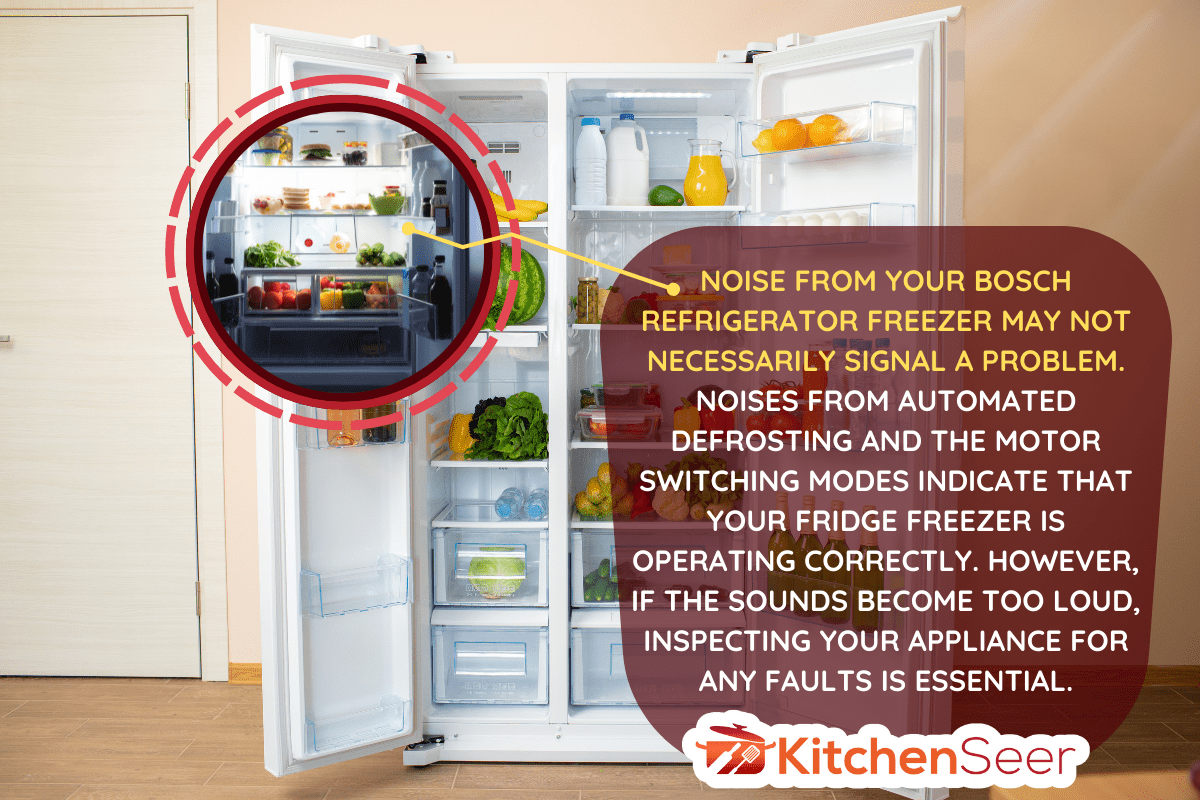
Adjusting the Fridge's Position
Check the fridge's level and adjust the feet if necessary
Ensure the fridge is at least 6 inches away from walls and cabinets
Replacing the Compressor or Evaporator Fan
Consult the user manual or contact a professional
Consider the cost and feasibility of replacement
Comparison of Fridge Noise Levels
| Noise Level | Description | Possible Causes |
|---|---|---|
| Low (20-40 dB) | Normal operation | None |
| Moderate (40-60 dB) | Slightly louder than normal | Dirty condenser coils, imbalanced fridge |
| High (60-80 dB) | Unusual or loud noise | Worn-out compressor, malfunctioning evaporator fan |
When to Call a Professional
If you're unsure about the cause or can't fix the issue yourself, it's time to call a professional. Consider the following scenarios:
The noise persists after trying basic fixes
You're not comfortable with DIY repairs
The fridge is still under warranty
FAQs
Q: Why is my fridge making a loud humming noise?
A loud humming noise can be caused by a dirty condenser, imbalanced fridge, or a failing compressor.
Q: Can I fix a noisy fridge myself?
Yes, try basic fixes like cleaning the condenser coils or adjusting the fridge's position. However, if the issue persists, consider consulting a professional.
Q: How can I prevent fridge noise?
Regular maintenance, such as cleaning the condenser coils and checking the fridge's position, can help prevent noise.
- Q: Is a noisy fridge a sign of a bigger problem?
Sometimes, a noisy fridge can indicate a more significant issue, such as a failing compressor or malfunctioning evaporator fan.
Final Check
A noisy fridge can be a nuisance, but by understanding the causes and taking practical steps to fix or mitigate the issue, you can enjoy a more peaceful home. Regular maintenance and prompt attention to unusual sounds can help prevent more significant problems down the line. If you're still unsure or uncomfortable with DIY repairs, don't hesitate to consult a professional for assistance.
