
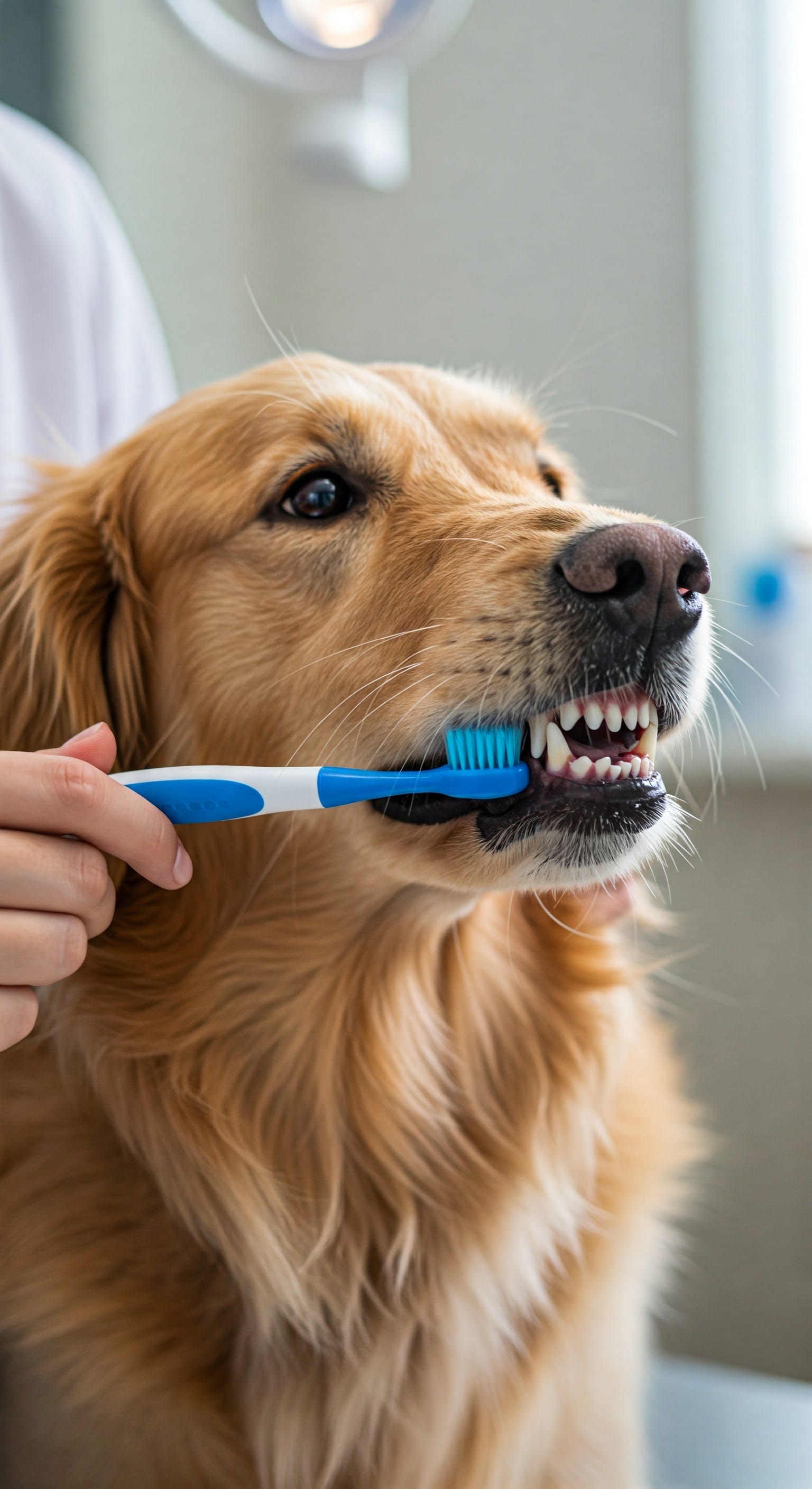
As a dog owner, you want to ensure your furry friend lives a long, happy, and healthy life. One often-overlooked aspect of canine health is dental care. Poor dog dental care can lead to a range of health issues, from bad breath and gum disease to more serious conditions like kidney disease and heart problems. In this article, we'll explore the importance of dog dental care, provide practical tips on how to keep your dog's teeth clean, and discuss the benefits of regular dental care.
Understanding Dog Dental Health
Dogs, like humans, have two sets of teeth: primary (baby) teeth and permanent (adult) teeth. Primary teeth start coming in when a puppy is around 3-4 weeks old, and by the time they're 6 months old, these teeth begin to fall out, making way for adult teeth. Adult dogs have 42 teeth, which include incisors, canines, premolars, and molars. These teeth are designed for eating, chewing, and tearing food.
Just like human teeth, dog teeth are susceptible to plaque, tartar buildup, and cavities. However, dogs are more prone to dental problems due to their diet, lifestyle, and anatomy. For example, dogs often eat quickly, which can lead to swallowing large amounts of food, including bacteria and debris, which can contribute to dental issues.
The Importance of Regular Dog Dental Care
Regular dog dental care is crucial for maintaining your pet's overall health. Here are some reasons why:
Prevents Bad Breath: Regular dental care helps prevent bad breath (halitosis) caused by bacteria and decaying food particles.
Reduces Risk of Dental Disease: Regular brushing and cleaning can help prevent dental disease, including gum disease, tooth decay, and tooth loss.
Prevents Systemic Diseases: Research suggests that there's a link between dental disease and systemic diseases like kidney disease, heart disease, and diabetes.
Saves You Money: Regular dental care can help prevent costly vet bills down the line.

Practical Dog Dental Care Tips
Here are some practical tips to help you keep your dog's teeth clean and healthy:

Brushing Your Dog's Teeth
Brushing your dog's teeth is one of the most effective ways to remove plaque and tartar buildup. Here's how:
Use a Dog-Specific Toothbrush: Human toothbrushes are not designed for dog teeth and can be too harsh.
Choose the Right Toothpaste: Use a dog-specific toothpaste that's safe for your pet to swallow.
Brush Regularly: Brush your dog's teeth daily, or at least 2-3 times a week.
Providing Dental Chews and Toys
Dental chews and toys can help remove plaque and tartar buildup while providing your dog with a fun and engaging activity.
Choose the Right Chews: Look for chews that are designed to help remove plaque and tartar buildup.
Supervise Playtime: Always supervise your dog during playtime to ensure their safety.
Feeding a Dental-Friendly Diet
Feeding a dental-friendly diet can help reduce the risk of dental disease.
Look for Dental-Specific Food: Choose food that's specifically designed to help reduce plaque and tartar buildup.
Avoid Table Scraps: Table scraps can contribute to dental problems, so it's best to stick to a balanced dog food diet.
Comparison of Dog Dental Care Methods
| Method | Effectiveness | Ease of Use | Cost |
|---|---|---|---|
| Brushing | High | Medium | Low |
| Dental Chews | Medium | High | Medium |
| Dental Diet | Medium | High | Medium |
| Veterinary Dental Care | High | Low | High |
Common Mistakes to Avoid
Here are some common mistakes to avoid when it comes to dog dental care:
Not Brushing Regularly: Infrequent brushing can lead to a buildup of plaque and tartar.
Using Human Toothpaste: Human toothpaste can be toxic to dogs, so it's essential to use dog-specific toothpaste.
Not Providing Regular Veterinary Care: Regular veterinary care is crucial for maintaining your dog's overall health, including their dental health.
FAQ
Here are some frequently asked questions about dog dental care:
Q: How often should I brush my dog's teeth? Brush your dog's teeth daily, or at least 2-3 times a week.
Q: Can I use human toothpaste on my dog?
No, human toothpaste can be toxic to dogs. Use dog-specific toothpaste instead.
Q: What are the signs of dental disease in dogs?
Signs of dental disease in dogs include bad breath, yellow or brown teeth, and changes in appetite or behavior.
Building Trust with Your Veterinarian
Building trust with your veterinarian is essential for maintaining your dog's overall health, including their dental health. Here are some tips:
Schedule Regular Check-Ups: Regular check-ups can help identify dental problems early on.- Be Open and Honest: Be open and honest with your veterinarian about your dog's health, including any changes in behavior or appetite.
Conclusion
Related: Mastering Interruptions: What to Say When Someone Cuts You Off
