
Start with a Clear Financial Picture
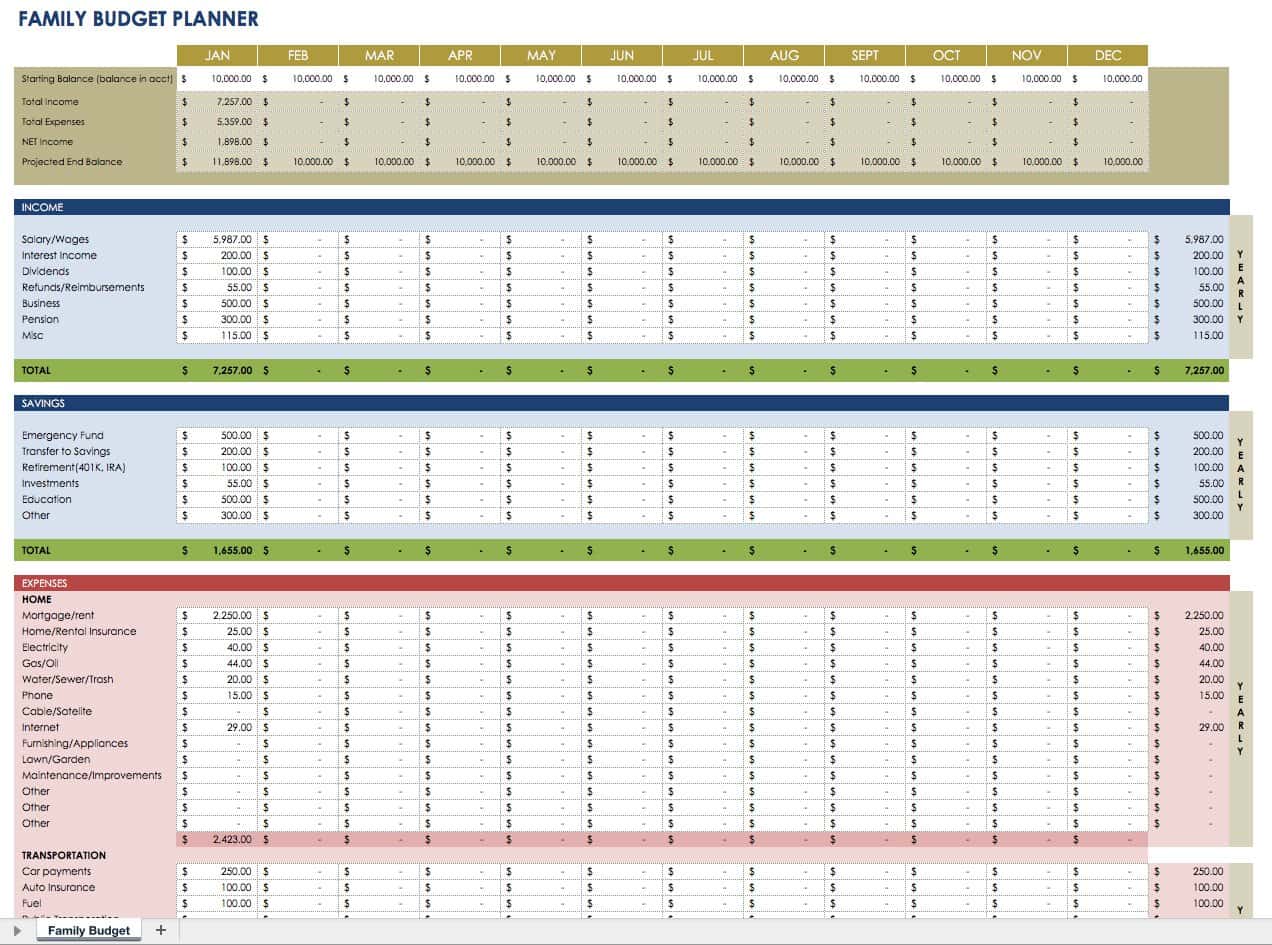
When it comes to managing your finances, having a solid budget plan in place is essential. But where do you start? The first step is to get a clear picture of your financial situation. This involves taking stock of your income, expenses, debts, and savings goals. It's a bit like taking a snapshot of your current financial health. You need to know where you stand before you can start making progress.
For instance, let's say you're a freelancer with a variable income. You might need to estimate your average monthly earnings based on your past projects. On the other hand, if you're salaried, you can simply use your take-home pay as your income. The key is to be realistic and accurate.
Assess Your Income
Assessing your income is a critical part of budget planning. You need to know how much money you have coming in each month. This includes not just your primary income but also any side hustles, investments, or other sources of revenue.
Here's a simple way to categorize your income:
Primary income: Your main source of income, such as your salary or freelance earnings.
Secondary income: Any additional income you earn, such as interest on savings or rental income.
Irregular income: Income that you don't receive on a regular basis, such as bonuses or freelance projects.
Track Your Expenses
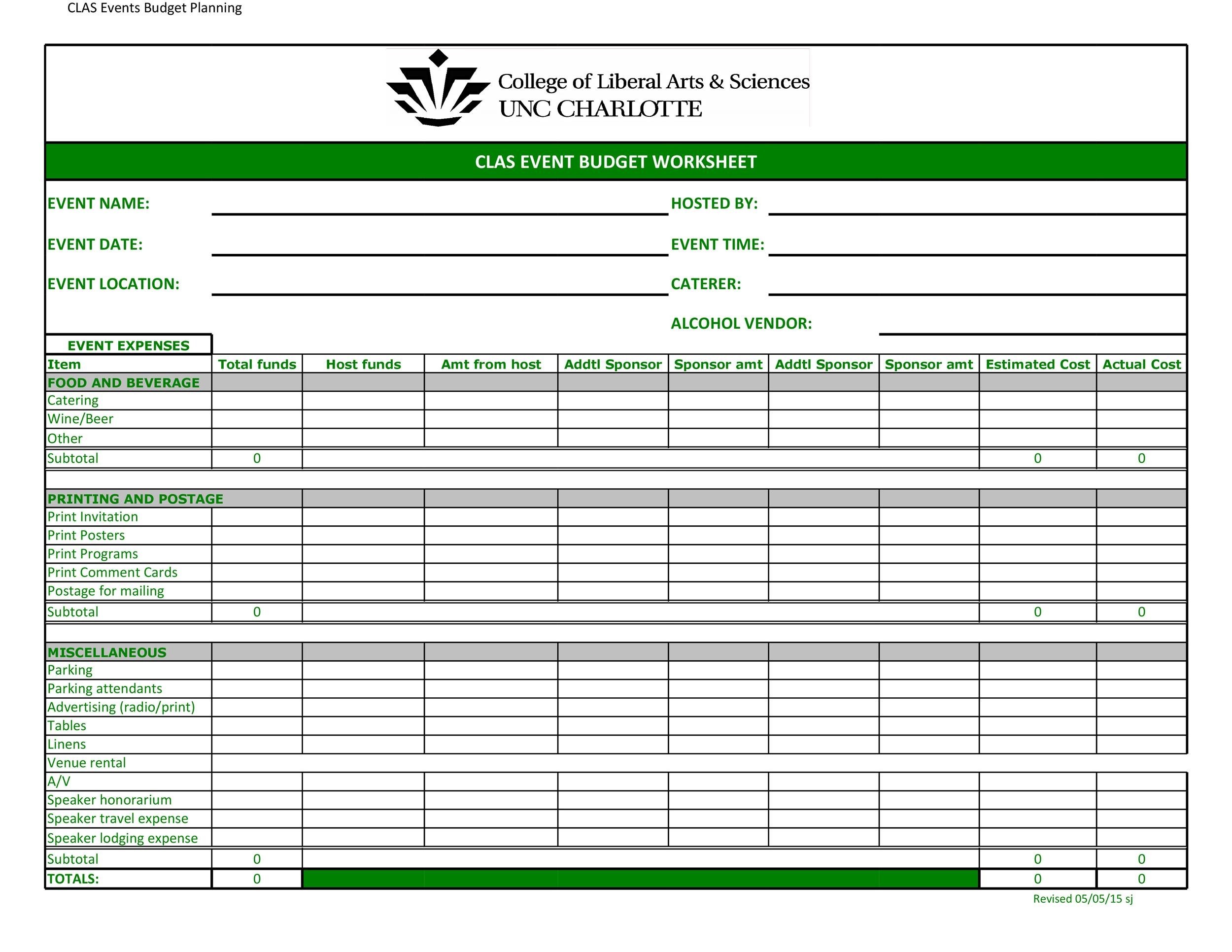
Tracking your expenses is a crucial step in budget planning. You need to know where your money is going to identify areas where you can cut back. Here's a practical tip: for one month, write down every single transaction you make, no matter how small. This will help you identify patterns and areas where you can improve.
For example, you might notice that you spend a lot on dining out or subscription services. These are areas where you can potentially cut back and allocate that money towards savings or debt repayment.
Set Realistic Savings Goals
Setting realistic savings goals is essential to achieving financial stability. You need to have a clear idea of what you want to save for, whether it's a short-term goal like a vacation or a long-term goal like retirement.
Here's a simple way to set savings goals:
Short-term goals: Goals you want to achieve within the next year, such as saving for a vacation or paying off debt.
Medium-term goals: Goals you want to achieve within the next 5 years, such as saving for a down payment on a house.
Long-term goals: Goals you want to achieve in 10 years or more, such as saving for retirement.
Prioritize Needs Over Wants
When it comes to budget planning, it's essential to prioritize your needs over your wants. This means being honest with yourself about what you need versus what you want.
Here's a simple way to categorize your expenses:
| <strong>Category</strong> | <strong>Needs</strong> | <strong>Wants</strong> |
|---|---|---|
| Housing | Rent/mortgage, utilities | Vacation home, luxury decor |
| Transportation | Car payment, insurance, gas | Luxury car, road trips |
| Food | Groceries | Dining out, takeout |
By prioritizing your needs over your wants, you can make sure you're allocating your money towards the things that truly matter.
"The key to successful budget planning is not to deprive yourself of everything you enjoy, but to make conscious choices about how you spend your money. By prioritizing your needs and goals, you can create a budget that truly reflects your values and priorities." - Rachel, Financial Advisor
Review and Adjust Regularly
Budget planning is not a one-time task; it's an ongoing process. You need to review and adjust your budget regularly to make sure you're on track to meet your goals.
Here's a simple checklist to help you review and adjust your budget:
Track your expenses: Make sure you're staying on top of your expenses and identifying areas where you can cut back.
Review your income: Make sure you're accurately tracking your income and adjusting for any changes.
- Check your savings goals: Make sure you're on track to meet your savings goals and adjust as needed.
Frequently Asked Questions
Q: How often should I review my budget?
You should review your budget at least once a month to make sure you're on track to meet your goals.
Q: What if I have a variable income?
If you have a variable income, you may need to estimate your average monthly earnings based on your past income. You can also consider setting aside a portion of your income each month in a separate savings account.
Q: How do I prioritize my needs over my wants?
To prioritize your needs over your wants, make a list of your essential expenses, such as rent/mortgage, utilities, and groceries. Then, identify areas where you can cut back on discretionary spending.
Q: What if I'm struggling to save money?
If you're struggling to save money, consider setting up automatic transfers from your checking account to your savings account. You can also try to reduce your expenses or increase your income.
Conclusion
Related: A Practical Guide to Budget Planning Tips in the UK
