
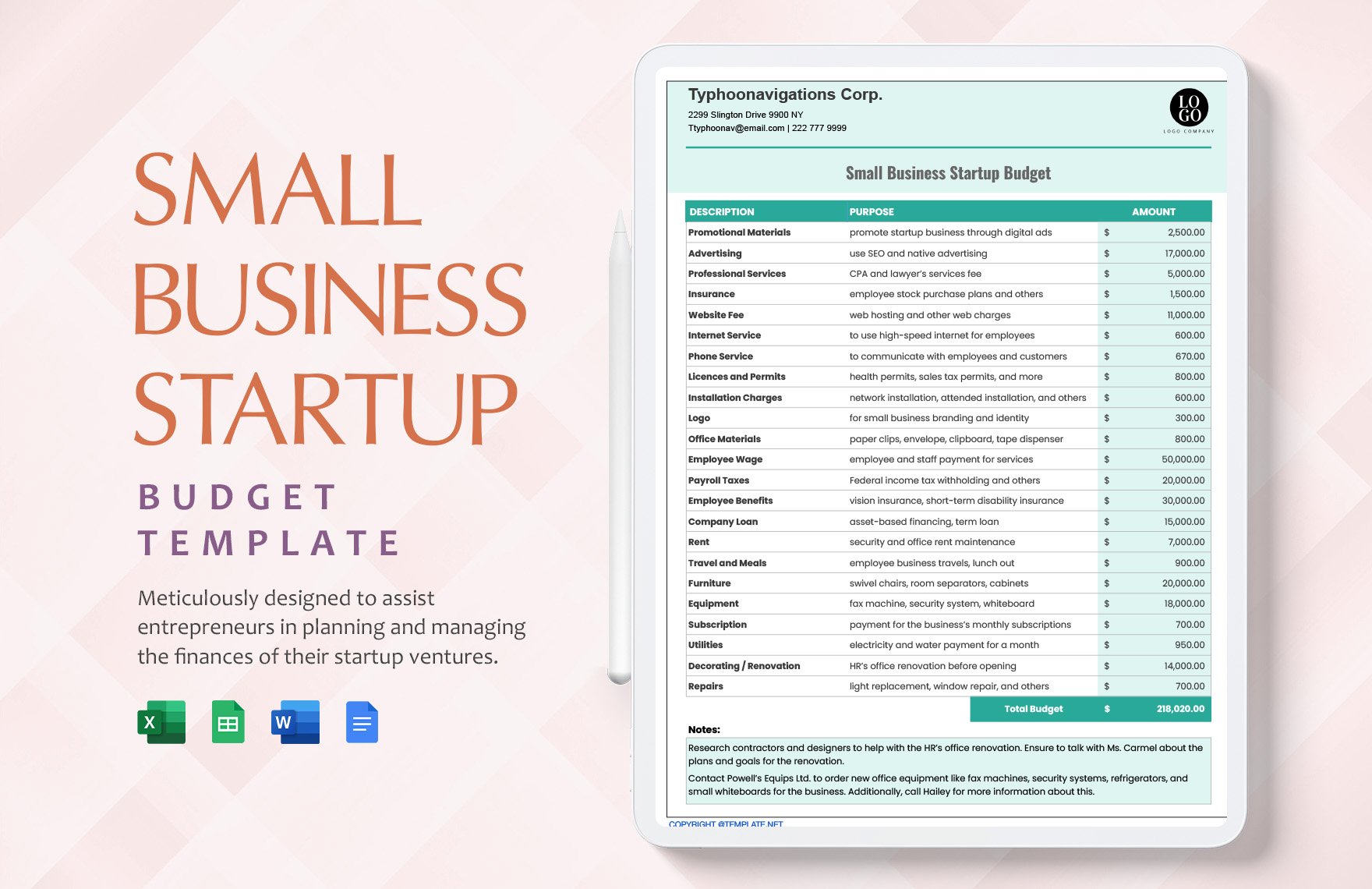
Creating a Realistic Budget for Your Small Business
As a small business owner, managing your finances effectively is crucial to achieving success. A budget planner template can help you create a realistic budget, track expenses, and make informed financial decisions. In this article, we'll explore five useful things to know about budget planner templates for small businesses.
Understanding Your Financial Needs
Before choosing a budget planner template, it's essential to understand your financial needs. What are your business goals, and what are your financial priorities? Do you need to manage cash flow, reduce expenses, or increase revenue? By identifying your financial needs, you can select a template that meets your specific requirements.
For example, if you're a service-based business, you may need to track project expenses, labor costs, and client payments. On the other hand, if you're a product-based business, you may need to manage inventory costs, shipping expenses, and sales revenue. By understanding your financial needs, you can choose a template that helps you track the right financial metrics.
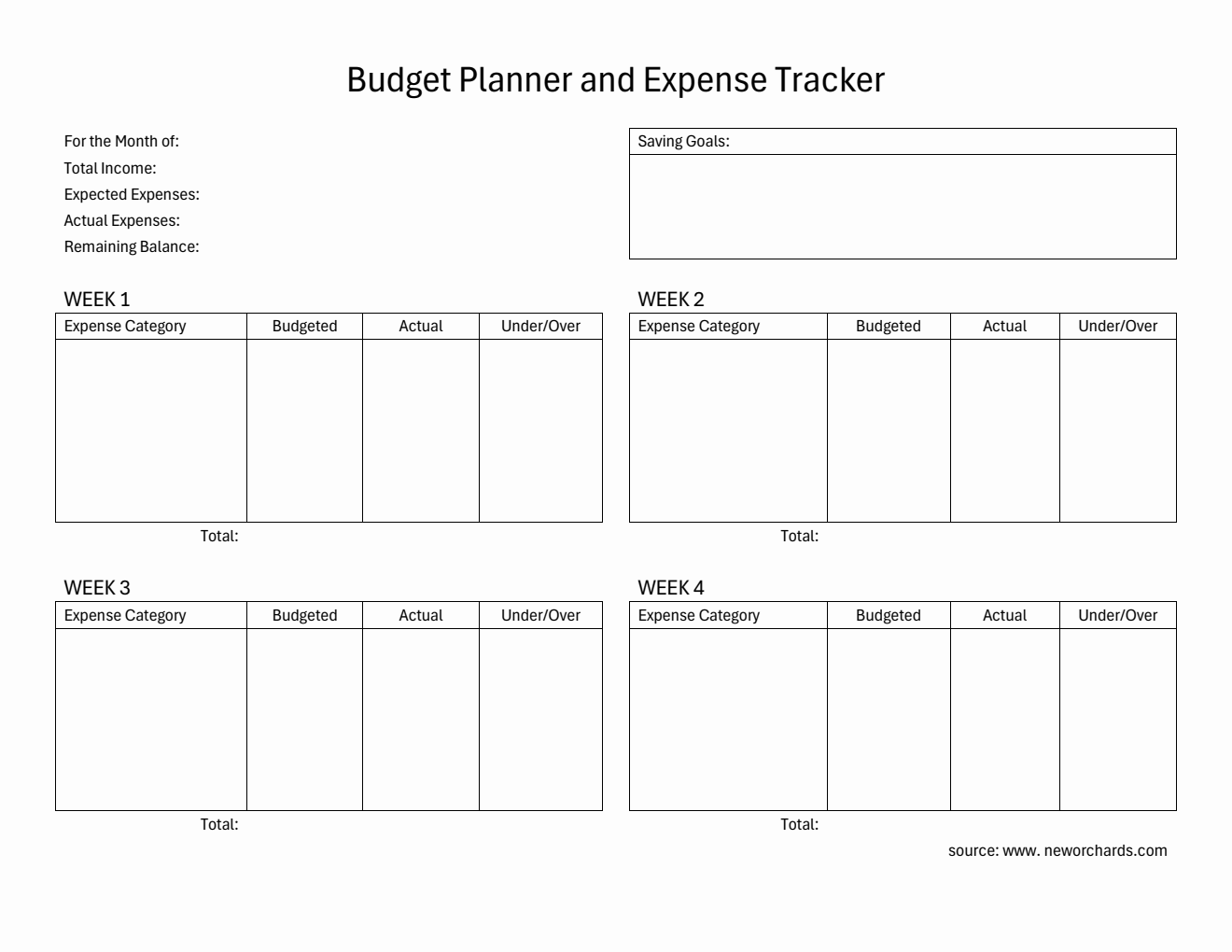
Choosing the Right Budget Planner Template
With numerous budget planner templates available, choosing the right one can be overwhelming. Here are some factors to consider:
Ease of use: Select a template that's easy to use and understand, even if you're not an accounting expert.
Customization: Choose a template that allows you to customize it to your business needs.
Scalability: Select a template that can grow with your business, adapting to changing financial needs.
Integration: Consider a template that integrates with your existing accounting software or other financial tools.
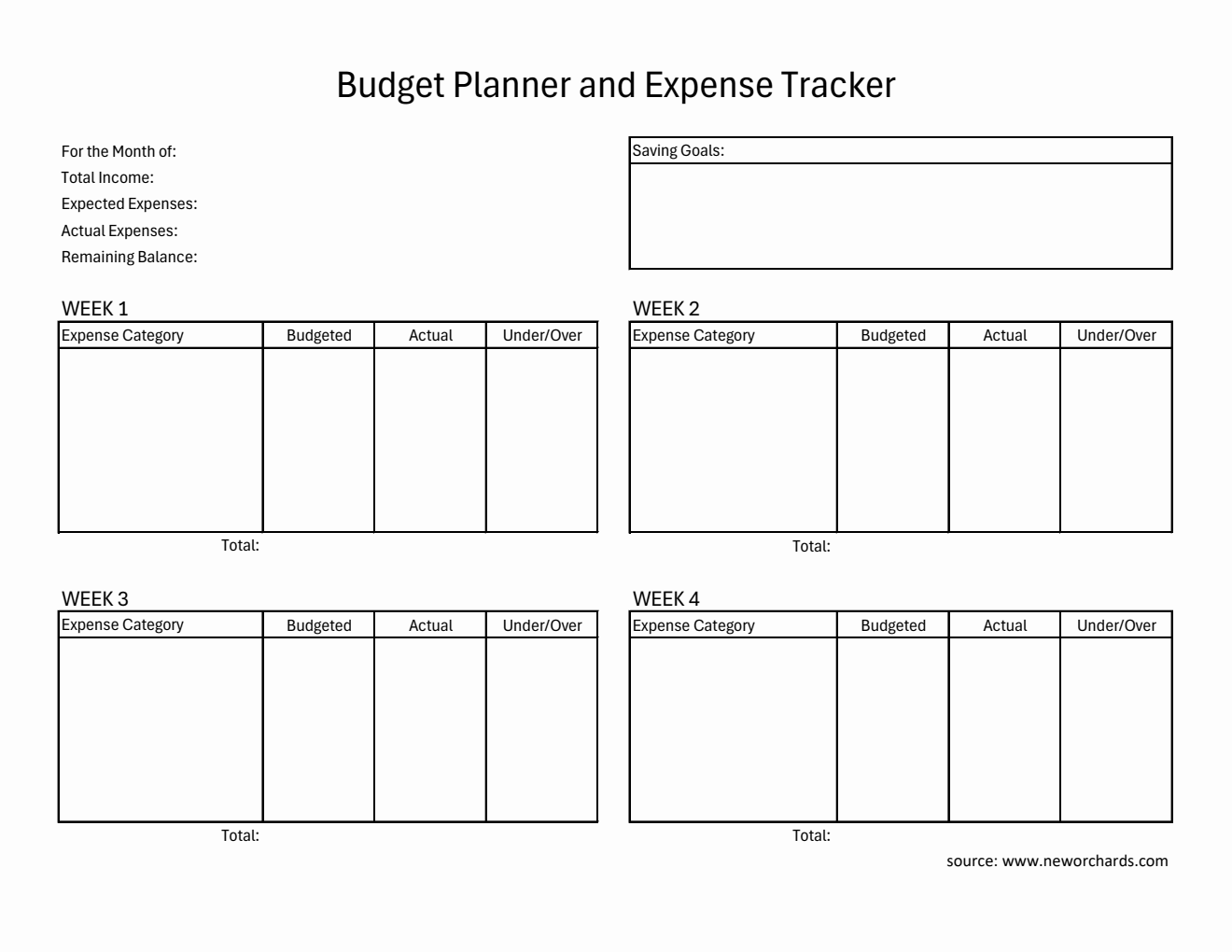
Comparison of Popular Budget Planner Templates
| Template | Ease of Use | Customization | Scalability | Integration |
|---|---|---|---|---|
| Microsoft Excel Budget Template | Easy | High | Medium | Limited |
| Google Sheets Budget Template | Easy | High | High | High |
| QuickBooks Budget Template | Medium | Medium | High | High |
| Xero Budget Template | Medium | Medium | High | High |
Creating a Budget Plan
Once you've chosen a budget planner template, it's time to create a budget plan. Here are some steps to follow:
- Identify your income: Start by estimating your monthly income from sales, services, or other sources.
- Estimate fixed expenses: Calculate your fixed expenses, such as rent, utilities, and salaries.
- Estimate variable expenses: Estimate your variable expenses, such as marketing, supplies, and travel.
- Set financial goals: Determine your financial goals, such as reducing expenses or increasing revenue.
- Track and adjust: Regularly track your expenses and adjust your budget plan as needed.
"A budget is not just a financial plan; it's a tool to help you make informed decisions about your business. By regularly tracking your expenses and adjusting your budget plan, you can stay on top of your finances and achieve your business goals." - Rachel, Small Business Owner
Common Budgeting Mistakes to Avoid
When creating a budget plan, it's essential to avoid common mistakes that can derail your financial plans. Here are some mistakes to watch out for:
Underestimating expenses: Be realistic about your expenses, and avoid underestimating costs.
Overestimating income: Be conservative about your income projections, and avoid overestimating revenue.
Not tracking expenses: Regularly track your expenses to stay on top of your finances.
Not adjusting the budget: Adjust your budget plan regularly to reflect changes in your business.
Best Practices for Using a Budget Planner Template
To get the most out of your budget planner template, follow these best practices:
Regularly review and update: Regularly review and update your budget plan to reflect changes in your business.
Use historical data: Use historical data to inform your budget projections and make more accurate estimates.
- Consider multiple scenarios: Consider multiple scenarios, such as best-case and worst-case scenarios, to prepare for unexpected events.
Frequently Asked Questions
Q: What is a budget planner template, and how can it help my small business?
A budget planner template is a tool that helps you create a realistic budget, track expenses, and make informed financial decisions. It can help you manage cash flow, reduce expenses, and increase revenue.
Q: How do I choose the right budget planner template for my small business?
Consider factors such as ease of use, customization, scalability, and integration with existing financial tools.
Q: What are some common budgeting mistakes to avoid?
Common mistakes to avoid include underestimating expenses, overestimating income, not tracking expenses, and not adjusting the budget plan.
Q: How often should I review and update my budget plan?
Regularly review and update your budget plan to reflect changes in your business, ideally on a monthly or quarterly basis.
Conclusion
Related: What to Know About Side Hustle Ideas to Boost Your Income
Related: What to Know About Making Extra Income Online
Related: 5 Useful Things to Know About Starting Side Hustles
Related: Take Control of Your Finances with a Free Budget Planner
