

A Fresh Start with Meal Prep
Imagine having a week's worth of healthy meals ready to go, with no last-minute takeout runs or soggy microwave dinners. Sounds like a dream, right? meal prep is a simple yet powerful strategy that can transform your relationship with food. By dedicating a few hours on the weekend to preparing your meals for the week, you can save time, reduce stress, and eat nutritious food that fuels your body. In this article, we'll explore five useful things to know about meal prep ideas that can help you get started on this journey to a healthier, more balanced lifestyle.
Planning Your Meals Around Your Schedule
Before you start chopping vegetables or cooking proteins, take a step back and assess your schedule for the week. What are your commitments? When will you have time to eat? What are your dietary goals? Planning your meals around your schedule is crucial to ensuring that you stick to your meal prep plan. Consider your work hours, exercise routine, and social engagements. If you're always on the go, look for meal prep ideas that are portable and easy to eat on the run, such as salads in a jar or wraps.
Smart Shopping for Meal Prep Success
Once you have a meal plan in place, it's time to go shopping. Smart shopping is essential to meal prep success. Make a list and stick to it to avoid impulse buys and reduce food waste. Consider buying in bulk and choosing seasonal produce to save money. When shopping for proteins, opt for versatile ingredients like chicken breast, ground turkey, or tofu that can be used in multiple meals. Don't forget to stock up on healthy staples like brown rice, quinoa, and whole grains.
Cooking Strategies for Efficient Meal Prep
Cooking is a critical component of meal prep. The goal is to cook efficiently, so you can prepare multiple meals at once without spending hours in the kitchen. Here are a few cooking strategies to keep in mind:
Batch cooking: Cook large quantities of a single ingredient, like rice or quinoa, and use it throughout the week in different meals.
One-pot wonders: Choose recipes that can be cooked in one pot, like stir-fries or skillet meals, to reduce cleanup and cooking time.
Slow cooker meals: Use a slow cooker to prepare meals that simmer all day, like stews or chili, and are ready to go when you need them.
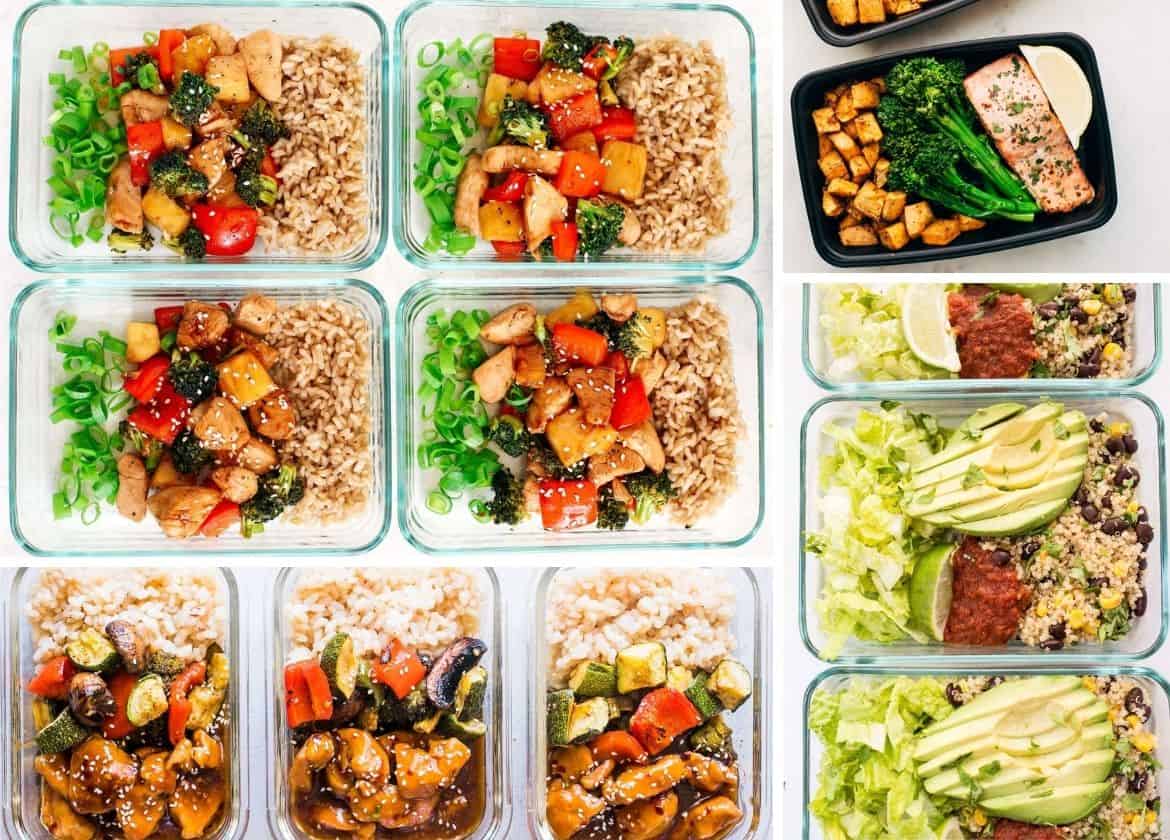
Storing and Reheating Your Meals Safely
Proper storage and reheating techniques are crucial to ensuring that your meals are safe to eat. Here are a few tips to keep in mind:
Label and date your containers: Use a marker to label each container with the date and contents, so you can easily identify what you have in the fridge.
Store in airtight containers: Use airtight containers to prevent moisture and other contaminants from getting in.
Reheat to a safe temperature: When reheating your meals, make sure they reach a minimum internal temperature of 165°F (74°C) to ensure food safety.
Meal Prep Ideas for Different Diets and Preferences
Meal prep isn't one-size-fits-all. Here are a few meal prep ideas that cater to different diets and preferences:
Vegetarian and Vegan Options
Lentil soup: Cook a big batch of lentil soup and portion it out into individual containers for a quick and easy lunch.
Roasted vegetables: Roast a variety of vegetables, like sweet potatoes and Brussels sprouts, and use them as a topping for salads or as a side dish.
Gluten-Free and Low-Carb Options
Grilled chicken and vegetables: Grill chicken breast and vegetables, like bell peppers and zucchini, and serve with a side of quinoa or brown rice.
Salad jars: Prepare salad jars with mixed greens, protein sources like grilled chicken or tofu, and a variety of toppings.
Common Meal Prep Mistakes to Avoid
While meal prep can be a game-changer for healthy eating, there are a few common mistakes to avoid:
Overplanning: Don't try to prep too many meals at once. Start with a few simple recipes and gradually increase your meal prep capacity.
Not labeling containers: Failing to label containers can lead to confusion and food waste.
Not reheating safely: Make sure to reheat your meals to a safe temperature to avoid foodborne illness.
Meal Prep FAQ
Here are a few frequently asked questions about meal prep:
Q: How long can I store meal prep containers in the fridge?
Meal prep containers can be stored in the fridge for up to 5-7 days. Make sure to label and date each container and reheat to a safe temperature before eating.
Q: Can I freeze meal prep containers?
Yes, many meal prep containers can be frozen. Consider freezing meals like soups, stews, or casseroles, and reheating them as needed.
Q: How do I prevent meal prep boredom?
Mix things up by trying new recipes, experimenting with different flavors and ingredients, and incorporating a variety of textures and colors into your meals.
Putting it All Together
Meal prep is a powerful tool for achieving a balanced diet and saving time in the kitchen. By planning your meals around your schedule, shopping smart, cooking efficiently, and storing and reheating your meals safely, you can enjoy healthy, delicious food all week long. Remember to avoid common meal prep mistakes, like overplanning and not labeling containers, and don't be afraid to get creative and try new things. With a little practice and patience, meal prep can become a sustainable and enjoyable part of your lifestyle.
Related: How to Master Cheap Meal Prep Without Breaking the Bank
Related: A Practical Guide to Simple Meal Prep Ideas for Beginners
