
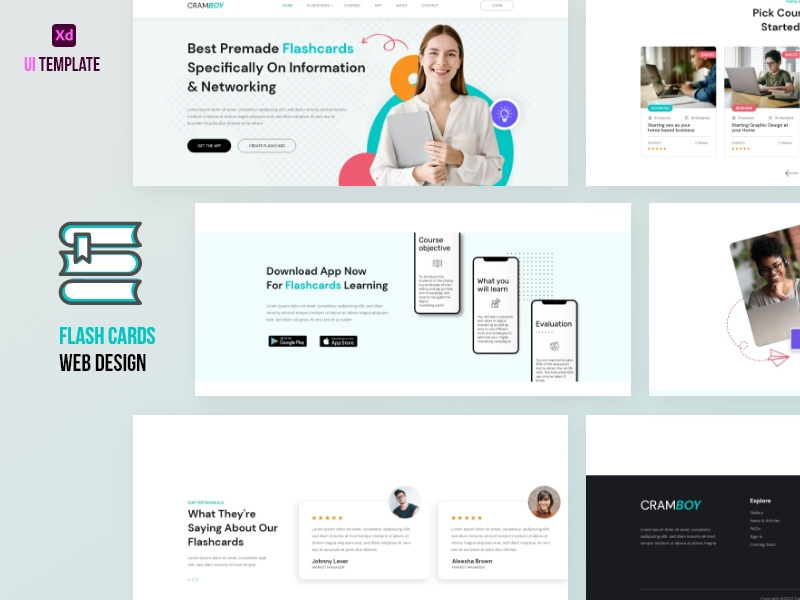
Choosing the Right Online Learning Platform Website Template
When creating an online learning platform, selecting the right website template is crucial for providing an effective learning experience. A well-designed template can enhance user engagement, simplify navigation, and ultimately drive student success. In this article, we'll explore five essential things to know when choosing an online learning platform website template.
Understanding Your Needs and Goals
Before diving into template selection, it's essential to define your online learning platform's needs and goals. Consider the type of content you'll be offering, your target audience, and the features you require. For example, if you're planning to offer video-based courses, you'll want a template that supports seamless video playback and has a robust content delivery network (CDN). On the other hand, if you're focusing on text-based materials, a template with a clean and readable design might be more suitable.
Identifying Your Target Audience
Understanding your target audience is vital in selecting a template that meets their needs. Are they students, professionals, or hobbyists? What are their expectations from an online learning platform? A template that's visually appealing and easy to navigate can go a long way in keeping your audience engaged.
Key Features to Look for in an Online Learning Platform Template
When evaluating templates, there are several key features to look for:
Responsive Design: Ensure the template is optimized for various devices, including desktops, laptops, tablets, and mobile phones.
Customization Options: Choose a template that offers flexibility in terms of layout, colors, and typography to match your brand identity.
Content Organization: A template with a clear and organized content structure can help students find the materials they need quickly.
Interactive Elements: Consider a template that supports interactive elements, such as discussion forums, quizzes, and gamification features.
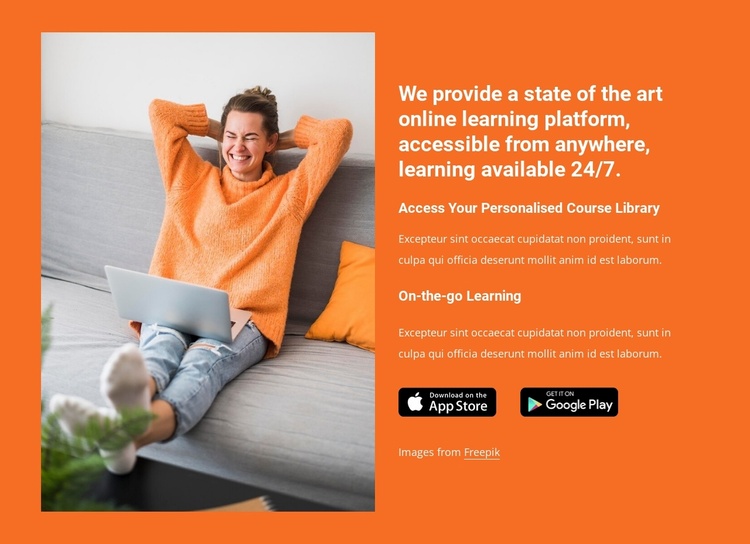
Template Types: A Comparison
There are several types of online learning platform website templates available, each with its strengths and weaknesses:
| <strong>Template Type</strong> | <strong>Description</strong> | <strong>Pros</strong> | <strong>Cons</strong> |
|---|---|---|---|
| <strong>LMS Templates</strong> | Designed specifically for learning management systems, these templates often include features like course catalogs, quizzes, and grade tracking. | Comprehensive features, easy to integrate with LMS plugins | Limited flexibility in design, may not be suitable for non-LMS platforms |
| <strong>E-Learning Templates</strong> | Focused on online courses and educational content, these templates typically include features like video support, course progress tracking, and discussion forums. | Visually appealing, supports multimedia content | May not be suitable for complex LMS platforms |
| <strong>Website Templates</strong> | General-purpose templates that can be adapted for online learning platforms, these often offer more design flexibility but may lack specific e-learning features. | Highly customizable, can be used for various applications | May require additional plugins or coding to support e-learning features |
Balancing Design and Functionality
When choosing an online learning platform website template, it's essential to strike a balance between design and functionality. A visually appealing template can enhance user engagement, but it shouldn't come at the expense of functionality. Consider a template that offers a clean and modern design while also supporting essential e-learning features.
The Importance of Mobile Responsiveness
With an increasing number of students accessing online learning platforms on mobile devices, mobile responsiveness is crucial. A mobile-friendly template ensures that your platform is accessible and usable on smaller screens, providing a better learning experience for your students.
Ensuring Accessibility and Usability
Accessibility and usability are critical considerations when selecting an online learning platform website template. Ensure that the template follows web accessibility guidelines (WCAG 2.1) and is designed with usability in mind. A template that's easy to navigate and understand can help reduce bounce rates and improve student engagement.
Best Practices for Template Customization
When customizing your online learning platform website template, keep the following best practices in mind:
Keep it Simple: Avoid over-customizing your template, as this can lead to a cluttered and confusing design.
Consistency is Key: Ensure consistency in your branding, typography, and layout throughout the platform.
Test and Iterate: Test your template with a small group of users and iterate on the design based on feedback.
Real-World Examples and Case Studies
Several online learning platforms have successfully implemented website templates to create engaging and effective learning experiences. For example:
Udemy: Udemy's platform is built using a customized LMS template, which provides a comprehensive and user-friendly interface for students and instructors.
- Coursera: Coursera's platform uses a responsive e-learning template, which ensures a seamless learning experience across various devices.
Frequently Asked Questions
What is the best template for an online learning platform?
The best template for an online learning platform depends on your specific needs and goals. Consider factors like responsiveness, customization options, and content organization when selecting a template.
Can I use a general-purpose website template for my online learning platform?
While it's possible to use a general-purpose website template, it may not provide the specific features and functionality required for an online learning platform. Consider using an LMS or e-learning template for a more comprehensive solution.
How do I ensure accessibility and usability in my online learning platform template?
Ensure that your template follows web accessibility guidelines (WCAG 2.1) and is designed with usability in mind. Conduct user testing and iterate on the design based on feedback to improve accessibility and usability.
Conclusion
Choosing the right online learning platform website template is a critical decision that can impact the success of your e-learning platform. By understanding your needs and goals, evaluating key features, and balancing design and functionality, you can create an effective and engaging learning experience for your students. Don't forget to prioritize accessibility, usability, and mobile responsiveness when selecting and customizing your template. With the right template and a well-designed platform, you can provide a high-quality learning experience that drives student success.
Related: What to Know About Choosing the Right Online Learning
