

Finding Your Niche
Starting a small business doesn't have to drain your savings account. With a little creativity and resourcefulness, you can turn your passion into a profitable venture without incurring significant debt. One of the biggest challenges small business owners face is finding the right niche. You want to offer products or services that people are willing to pay for, but you also want to stand out from the competition.
When searching for a niche, consider your skills, interests, and experience. What are you good at? What do you enjoy doing? What problems do you want to solve for your customers? For example, if you're skilled at graphic design, you could offer affordable design services to small businesses and entrepreneurs who need help creating visual content.
Bootstrapping Your Business
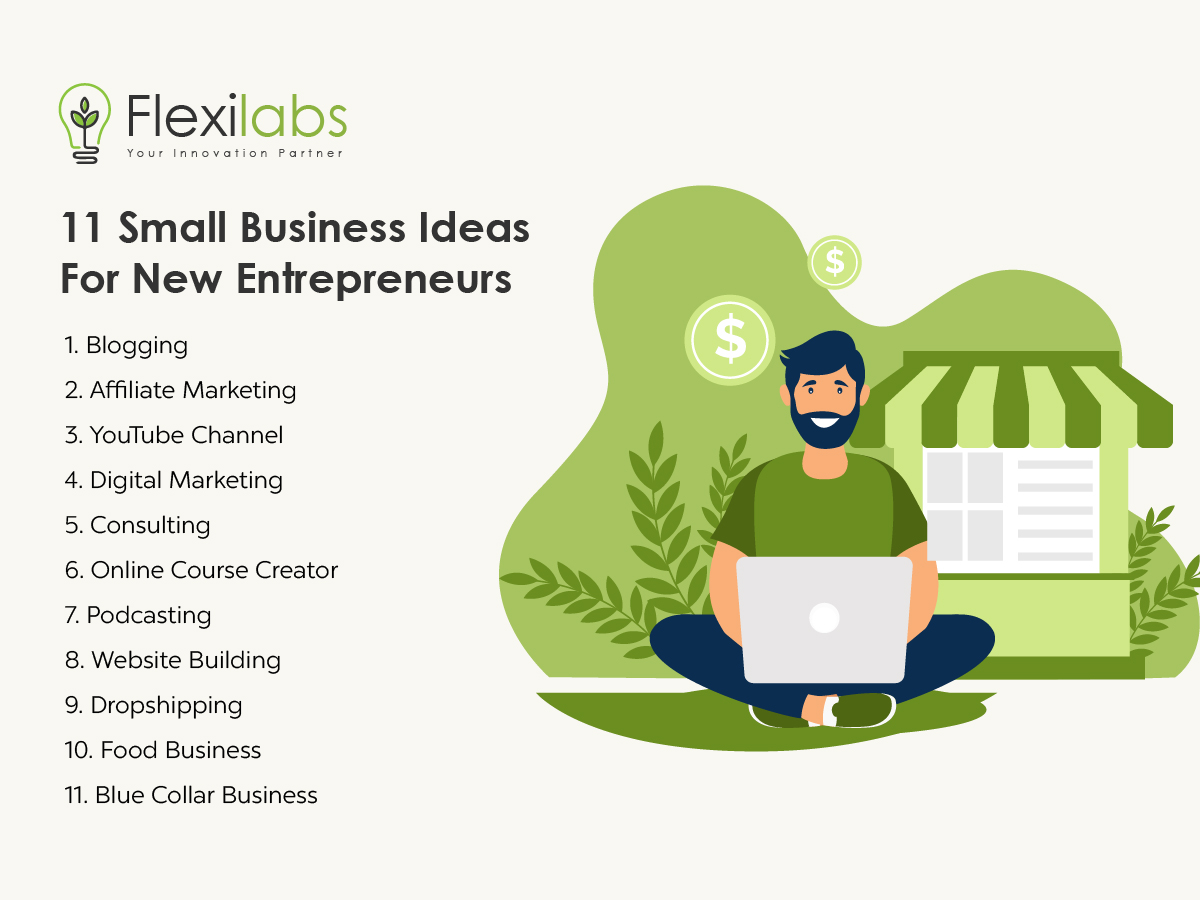
Bootstrapping refers to the process of starting and growing a business using only personal savings and revenue from early customers. This approach requires careful budgeting and a willingness to take calculated risks. Here are a few cheap business ideas to get you started:
Virtual assistance: Offer virtual support services like email management, social media management, and data entry to businesses and entrepreneurs who need help with administrative tasks.
Freelance writing or editing: Offer your writing or editing services to businesses and websites that need high-quality content.
Social media management: Help small businesses manage their social media presence and create engaging content for their followers.
Leveraging Online Marketplaces
Online marketplaces like eBay, Amazon, and Etsy provide a platform for you to sell products without having to create your own website. You can start by selling products that you're passionate about or have expertise in. For example, if you're a fashion enthusiast, you could start an online clothing store on eBay or Poshmark.
Here are a few benefits of leveraging online marketplaces:
Low startup costs: You don't need to invest in a website or inventory to get started.
Existing customer base: Online marketplaces have a built-in customer base, which means you can start selling products immediately.
Less marketing effort: Online marketplaces handle marketing and promotion, which means you can focus on finding and selling products.
Building a Community
Building a community around your business can help you attract and retain customers. Here are a few ways to build a community:
Social media groups: Create a social media group for your customers to connect with each other and share ideas.
Email newsletters: Send regular email newsletters to your subscribers with updates, promotions, and tips.
Events and webinars: Host events and webinars to educate and engage your customers.

Measuring Success
Measuring success is crucial to the growth and survival of your business. Here are a few key performance indicators (KPIs) to track:
Revenue growth: Track your revenue growth over time to ensure your business is generating enough income.
Customer acquisition costs: Calculate the cost of acquiring new customers to ensure it's sustainable.
Customer satisfaction: Monitor customer satisfaction through surveys, reviews, and feedback.
Practical Tips for Small Business Owners
Here are a few practical tips for small business owners:
Keep costs low: Monitor your expenses and keep costs low to ensure sustainability.
Focus on customer service: Provide excellent customer service to build trust and loyalty.
Stay organized: Use tools and systems to stay organized and focused.
FAQs
Here are a few frequently asked questions about small business cheap ideas:
Q: What are some cheap business ideas for beginners?
Some cheap business ideas for beginners include virtual assistance, freelance writing or editing, and social media management.
Q: How do I start a small business with no money?
You can start a small business with no money by bootstrapping, leveraging online marketplaces, and building a community around your business.
Q: What are some low-cost marketing strategies for small businesses?
Some low-cost marketing strategies for small businesses include social media marketing, email marketing, and content marketing.
Conclusion
Starting a small business doesn't have to break the bank. With a little creativity and resourcefulness, you can turn your passion into a profitable venture without incurring significant debt. By finding your niche, bootstrapping your business, leveraging online marketplaces, building a community, and measuring success, you can create a successful and sustainable small business.
