
Taking Control of Your Finances with a Budget Planner Template
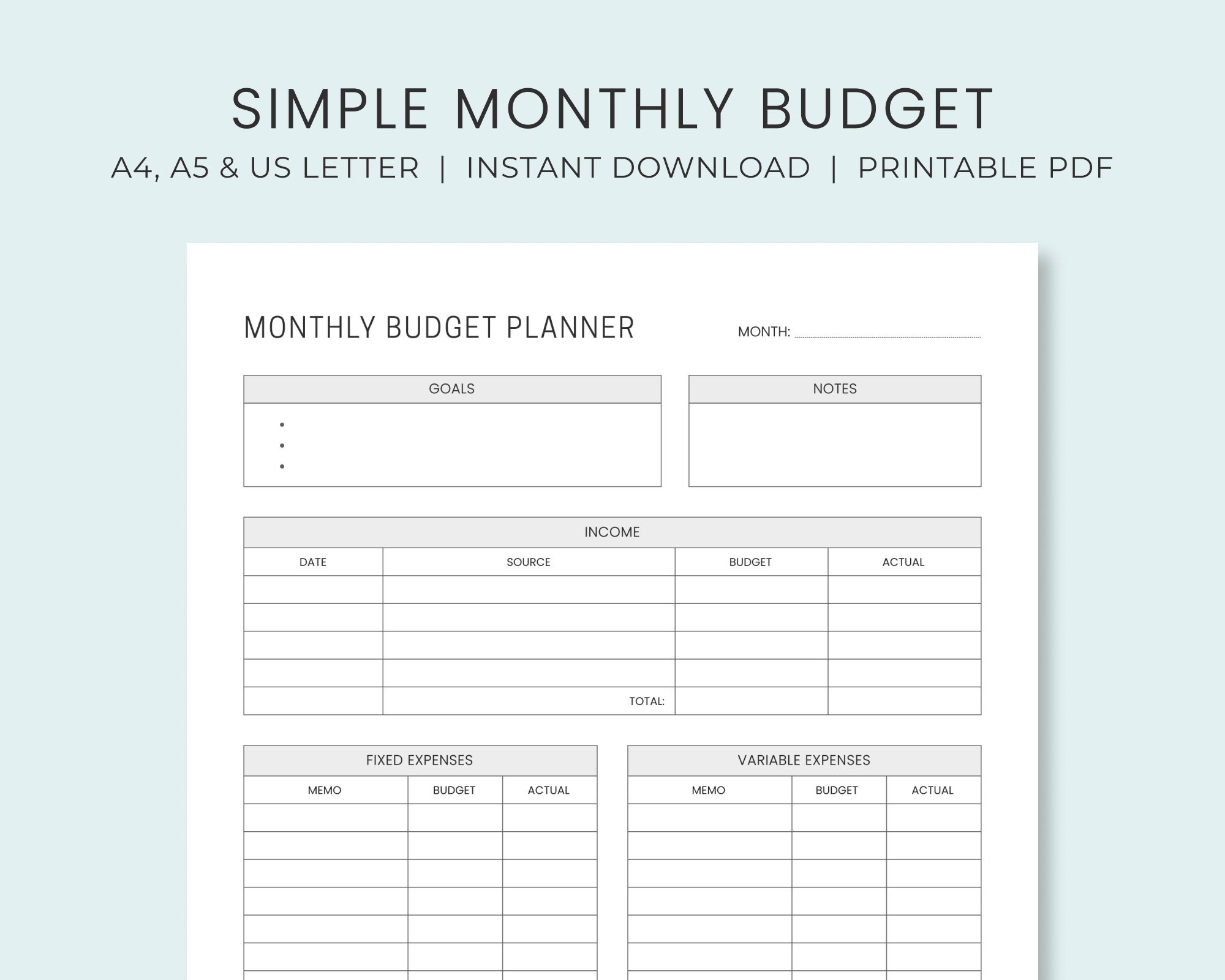
Creating a budget can seem daunting, but it's a crucial step in managing your finances and achieving your financial goals. A budget planner template free printable can be a valuable tool in helping you get started. In this guide, we'll walk you through the process of using a budget planner template to take control of your finances.
Understanding Your Financial Situation
Before you can start budgeting, you need to understand where your money is going. For one month, write down every single transaction you make, including small purchases like coffee or snacks. This will help you identify areas where you can cut back and make adjustments.
Consider using the 50/30/20 rule as a guideline: 50% of your income should go towards necessary expenses like rent and utilities, 30% towards discretionary spending, and 20% towards saving and debt repayment.
Choosing the Right Budget Planner Template
There are many different types of budget planner templates available, so it's essential to choose one that fits your needs. Look for a template that includes sections for:
Income
Fixed expenses
Variable expenses
Savings goals
Debt repayment
A good template should also be easy to use and customize.
What to Look for in a Budget Planner Template
When selecting a budget planner template, consider the following factors:
Ease of use: Is the template easy to navigate and understand?
Customization: Can you add or remove sections as needed?
Comprehensive: Does the template cover all aspects of your financial situation?
Using a Free Printable Budget Planner Template
A free printable budget planner template can be a great option for those who prefer a hands-on approach to budgeting. These templates can be downloaded and printed, allowing you to fill in your financial information by hand.
One of the benefits of using a printable template is that it can help you develop a more mindful approach to spending. By physically writing down your expenses and income, you're more likely to engage with your financial situation and make conscious decisions.
Creating a Budget Plan
Once you've chosen a budget planner template, it's time to start filling it out. Here are the steps to follow:
- List your income: Start by listing all sources of income, including your salary, investments, and any side hustles.
- Identify fixed expenses: Next, list all of your fixed expenses, such as rent, utilities, and car payments.
- Track variable expenses: Track your variable expenses, such as groceries, entertainment, and hobbies.
- Set savings goals: Determine what you want to save for, whether it's a short-term goal like a vacation or a long-term goal like retirement.
- Create a budget plan: Based on your income and expenses, create a budget plan that outlines projected income and expenses for each month.
Sticking to Your Budget
Creating a budget plan is just the first step – sticking to it is where the real challenge lies. Here are a few tips to help you stay on track:
Review and adjust regularly: Regularly review your budget to ensure you're on track to meet your financial goals.
Automate savings: Set up automatic transfers to your savings and investment accounts.
Avoid impulse purchases: Create a 30-day waiting period for non-essential purchases to help you avoid making impulse buys.
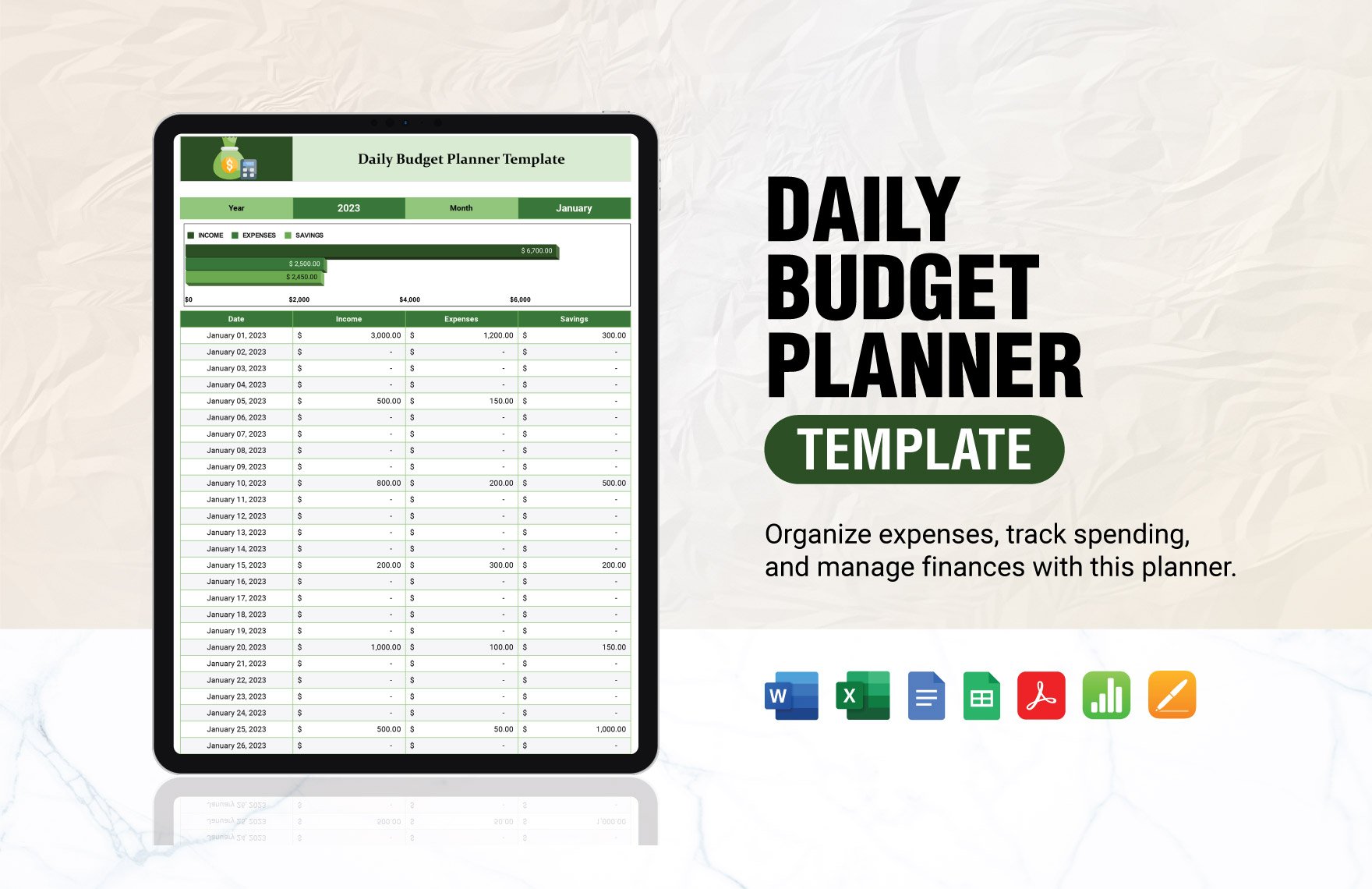
Comparison of Budget Planner Templates
| Template | Features | Ease of Use |
|---|---|---|
| Vertex42 | Comprehensive, customizable | Easy |
| Mint | User-friendly, automated tracking | Very Easy |
| Personal Capital | Detailed investment tracking, financial planning tools | Moderate |
When choosing a budget planner template, consider the features that are most important to you. Do you need a template that can track your investments? Or one that's easy to use and understand?
"A budget is telling your money where to go instead of wondering where it went." - Dave Ramsey
Common Mistakes to Avoid
When creating a budget, it's essential to avoid common mistakes that can derail your financial progress. Here are a few to watch out for:
Underestimating expenses: Make sure to accurately estimate your expenses to avoid overspending.
Not prioritizing needs over wants: Be honest with yourself about what you need versus what you want.
Failing to review and adjust: Regularly review your budget to ensure you're on track to meet your financial goals.
FAQs
Q: What is a budget planner template?
A budget planner template is a tool used to track income and expenses, helping you manage your finances and achieve your financial goals.
Q: How do I choose the right budget planner template?
Consider factors such as ease of use, customization, and comprehensiveness when selecting a budget planner template.
Q: Can I use a free printable budget planner template?
Yes, a free printable budget planner template can be a great option for those who prefer a hands-on approach to budgeting.
Q: How often should I review my budget?
Regularly review your budget to ensure you're on track to meet your financial goals, ideally every 1-3 months.
Conclusion
Taking control of your finances requires a clear understanding of your financial situation and a solid plan for managing your money. A budget planner template free printable can be a valuable tool in helping you achieve your financial goals. By following the steps outlined in this guide and avoiding common mistakes, you can create a budget that works for you and helps you achieve financial stability.
Related: 5 Useful Things to Know About Side Hustles Ideas UK
