
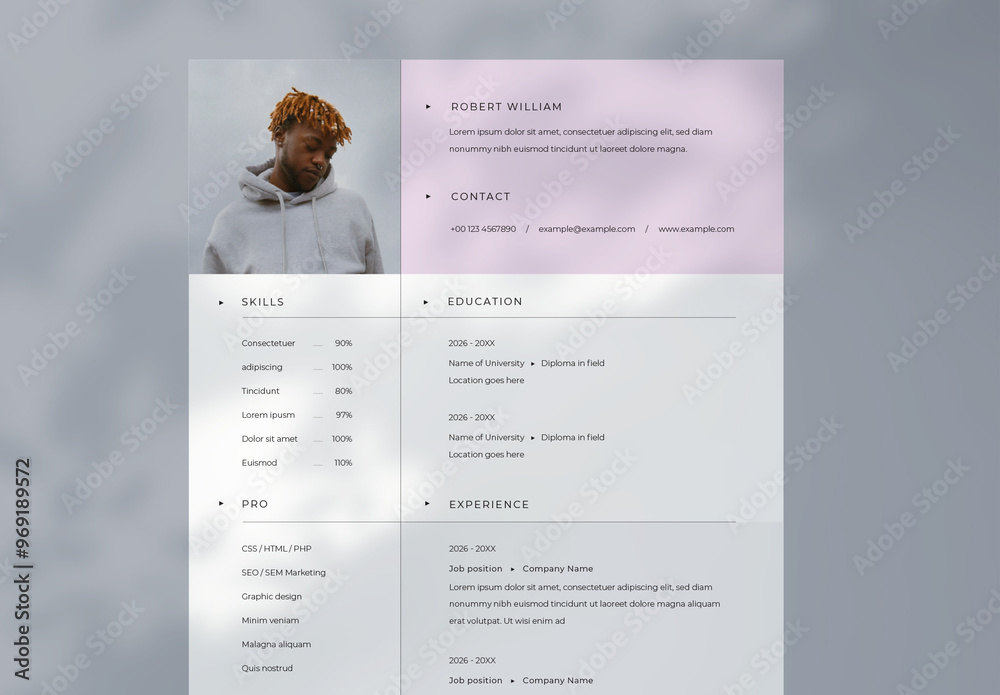
As you embark on your job search journey, your resume often becomes the first impression you make on potential employers. It's more than just a document listing your work experience; it's a reflection of your professional brand. One of the critical decisions you'll make in crafting your resume is choosing the right template. With countless options available, selecting a template that effectively showcases your strengths and aligns with your career goals can be daunting. This guide aims to simplify that process, offering practical advice and insights to help you make an informed decision.
Understanding the Role of a Resume Template
Your resume template is the structural framework of your resume, dictating how your information is organized and presented. A well-chosen template can make your resume more readable, highlighting your achievements and skills in a clear and concise manner. Conversely, a poorly chosen template can obscure your qualifications, making it harder for hiring managers to see your value.
Types of Resume Templates
There are several types of resume templates, each with its own advantages and best use cases:
- Chronological Templates: These templates list your work experience in reverse chronological order, making them ideal for those with a strong, consistent work history.
- Functional Templates: If you have gaps in your employment history or are changing careers, functional templates focus on your skills and qualifications rather than your work history.
- Combination Templates: Offering a balance between chronological and functional templates, combination templates highlight both your skills and work history.
Key Considerations for Choosing a Resume Template
When selecting a resume template, several factors come into play:
- Industry Standards: Different industries have different norms for resume templates. For example, corporate and finance sectors often prefer traditional, straightforward templates, while creative fields may welcome more innovative designs.
- Applicant Tracking Systems (ATS): Many companies use ATS to screen resumes before they even reach a human recruiter. Ensure your template is ATS-friendly, with clear headings and a simple format.
- Personal Branding: Your resume template should reflect your professional brand. Consider your career goals and what you want to convey about yourself.
Evaluating Template Features
A good resume template should offer a range of features that make your job easier:
- Customization: Look for templates that are easy to customize. You should be able to change fonts, colors, and layouts without a lot of hassle.
- Readability: The template should make your resume easy to read, with clear headings and bullet points.
- Flexibility: Choose a template that can adapt to different sections of your resume, from work experience to education.
Tips for Using Resume Templates Effectively
Even with a great template, there are ways to maximize its impact:
- Tailor Your Resume: Customize your resume for each job application. Use keywords from the job description to help your resume pass through ATS and catch the eye of the hiring manager.
- Keep It Concise: While it's tempting to include everything, keep your resume to one or two pages. Focus on the most relevant information.
- Proofread: A typo or grammatical error can quickly disqualify you from consideration. Make sure to proofread your resume multiple times.

Comparison of Popular Resume Templates
| Template Name | Best For | ATS Friendly | Customization Level |
|---|---|---|---|
| Microsoft Word Modern | Corporate, Finance | Yes | Medium |
| Canva Creative | Creative Fields | Yes | High |
| Google Docs Simple | All Industries | Yes | Low-Medium |
Insight: Balancing Style and Substance
"The goal of a resume is not to win a design contest but to secure an interview. While a creative template can help you stand out, substance should always trump style. Ensure that your resume is clear, concise, and compelling, showcasing your achievements and qualifications in a way that aligns with the job you're applying for."
Common Mistakes to Avoid
- Overcomplicating the Design: While you want to stand out, overcomplicating the design can make your resume hard to read.
- Ignoring ATS: Ensure your template is ATS-friendly to avoid being filtered out.
- Failing to Tailor: A one-size-fits-all approach rarely works. Tailor your resume for each application.
FAQs
Q: How do I know if a template is ATS-friendly?
Check if the template uses clear headings, a simple layout, and standard fonts. You can also test it by uploading your resume to ATS systems or using online tools that provide ATS compatibility checks.
Q: Can I use a resume template for any job application?
While a versatile template can be used across applications, it's best to tailor your resume (and sometimes the template) to fit the specific job description and industry standards.
Q: Are free resume templates good?
Free templates can be a good starting point, especially for those on a tight budget. However, they might lack the customization and professional touch that premium templates offer.
Conclusion
Choosing the right resume template is a critical step in your job search journey. It's about finding a balance between showcasing your personality and presenting your qualifications in the best possible light. By considering your industry, career goals, and the features of the template, you can select a template that enhances your chances of landing an interview. Remember, your resume template is a tool to help you tell your professional story; make sure it does so effectively.
