
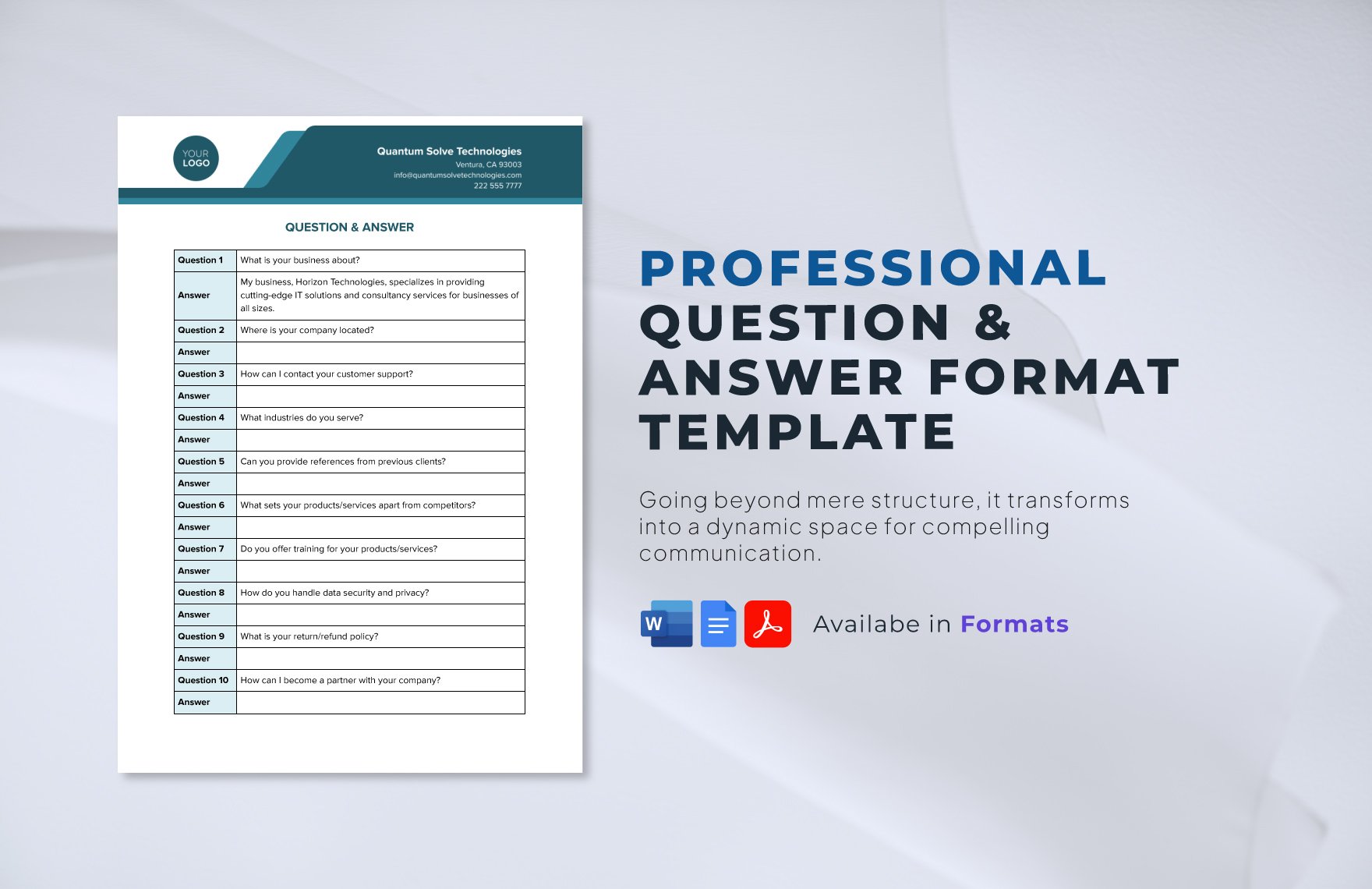
Understanding the Importance of Interview Question Forms
When it comes to hiring the best talent, a well-crafted interview question form can make all the difference. It's not just about asking questions; it's about designing a structured process that helps you assess a candidate's skills, experience, and fit for the role. A good interview question form template can streamline the hiring process, reduce biases, and ensure that you're evaluating candidates based on relevant criteria.
Designing Effective Interview Questions
The key to a successful interview question form is to focus on specific, job-related questions that help you assess the candidate's qualifications. Here are some tips to keep in mind:
Behavioral questions: Ask questions that assess the candidate's past experiences and behaviors as a way to predict future performance. For example, "Tell me about a time when you overcame a difficult challenge" or "Can you describe a project you managed from start to finish?"
Situational questions: Present hypothetical scenarios that test the candidate's problem-solving skills and decision-making abilities. For example, "What would you do if you encountered a difficult team member?" or "How would you handle a tight deadline?"
Technical questions: Assess the candidate's technical skills and knowledge relevant to the role. For example, "What's your experience with [specific software or tool]?" or "Can you explain [technical concept]?"
Open-ended questions: Include questions that encourage the candidate to share their thoughts, opinions, and experiences. For example, "What do you think are the most important qualities for this role?" or "Can you tell me about your long-term career goals?"
Avoiding Biases in Interview Questions
Biases in interview questions can lead to discriminatory hiring practices and a lack of diversity in the workplace. Here are some common biases to avoid:
Leading questions: Avoid questions that suggest a specific answer or lead the candidate to a particular response. For example, "Don't you think that [specific skill] is essential for this role?"
Loaded questions: Steer clear of questions that contain assumptions or stereotypes. For example, "As a [specific demographic], how do you think you'll fit in with our company culture?"
Irrelevant questions: Refrain from asking questions that are not relevant to the role or the candidate's qualifications. For example, "What's your marital status?" or "Do you have kids?"
Streamlining the Hiring Process
An effective interview question form can help streamline the hiring process by:
Reducing the number of interviews: By asking the right questions, you can assess the candidate's qualifications and fit for the role in a single interview.
Improving candidate experience: A structured interview process can make the candidate feel more comfortable and confident.
Increasing efficiency: A well-designed interview question form can help you evaluate candidates more quickly and efficiently.
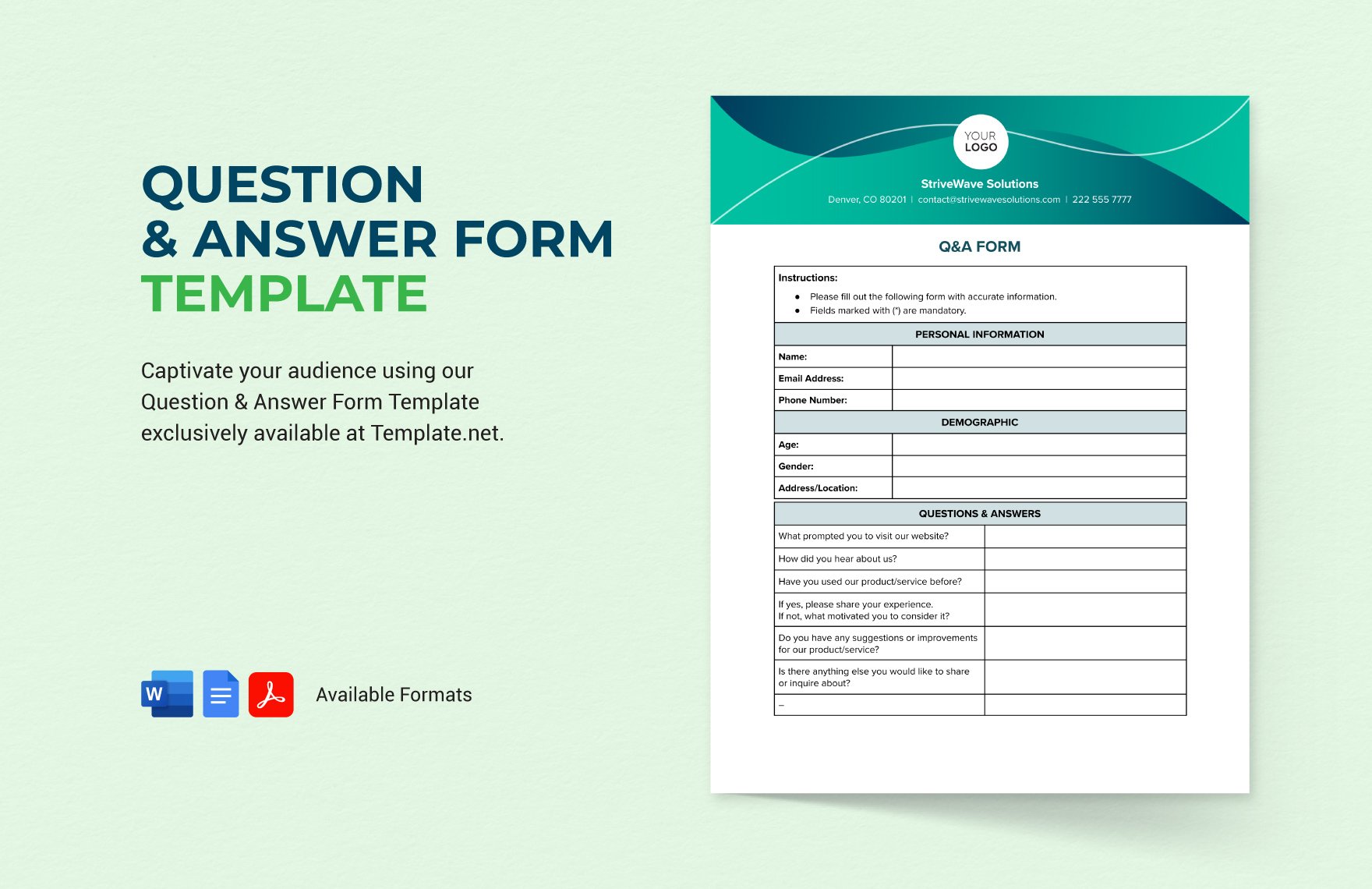
Best Practices for Creating an Interview Question Form
Here are some best practices to keep in mind when creating an interview question form:
Tailor questions to the role: Customize questions to assess the specific skills and qualifications required for the role.
Use a mix of question types: Include a mix of behavioral, situational, technical, and open-ended questions to get a comprehensive view of the candidate.
Keep it concise: Limit the number of questions to ensure the interview stays focused and efficient.
Test and refine: Test the interview question form with a small group of candidates and refine it based on feedback and results.
Common Mistakes to Avoid
Here are some common mistakes to avoid when creating an interview question form:
Asking too many questions: Too many questions can overwhelm the candidate and make the interview feel like an interrogation.
Not tailoring questions to the role: Generic questions that don't assess specific skills or qualifications can lead to poor hiring decisions.
- Not evaluating candidates consistently: Failing to evaluate candidates consistently can lead to biases and poor hiring decisions.
Example of an Effective Interview Question Form
Here's an example of an effective interview question form for a software engineer role:
| Question Type | Question |
|---|---|
| Behavioral | Tell me about a project you worked on that you're particularly proud of. What was your role, and what did you learn from the experience? |
| Technical | Can you explain the differences between [specific programming languages]? |
| Situational | What would you do if you encountered a difficult bug in a critical piece of code? |
| Open-ended | What do you think are the most important qualities for a software engineer to have, and how do you embody those qualities? |
Frequently Asked Questions
Q: What is an interview question form?
An interview question form is a structured set of questions used to assess a candidate's qualifications, skills, and fit for a specific role.Q: Why is it important to use an interview question form?
Using an interview question form helps ensure that the hiring process is fair, consistent, and effective in identifying the best candidate for the role.Q: How do I create an effective interview question form?
To create an effective interview question form, tailor questions to the specific role, use a mix of question types, and keep it concise.Q: What are some common biases to avoid in interview questions?
Common biases to avoid include leading questions, loaded questions, and irrelevant questions.Conclusion
Related: How to Ace a Job Interview: Essential Questions Template
Related: Cheap Resume Templates in Rio: What Actually Makes Sense?
Related: Side Hustle Ideas in South Africa: A Practical Guide
