
Before You Start Studying
To perform well on exams, students often focus on the wrong things. They might try to cram all their studying into one marathon session or rely solely on re-reading their notes. These tactics usually lead to frustration and poor retention. Let's explore a more strategic approach.Understanding Your Learning Style
Identifying your learning style is crucial to effective studying. There are three main learning styles: visual, auditory, and kinesthetic. Visual learners learn best through images and diagrams, auditory learners through sound and music, and kinesthetic learners through hands-on experiences.Visual Learners
If you're a visual learner, try using diagrams, flowcharts, and mind maps to organize your notes. Watch video tutorials and online lectures to supplement your learning.Auditory Learners
As an auditory learner, you might benefit from listening to podcasts, audiobooks, or online lectures. Try to summarize key points in your own words, either orally or in writing.Kinesthetic Learners
Kinesthetic learners often learn best through hands-on activities. Experiment with practical exercises, simulations, or real-world applications of the material.Effective Study Techniques
Now that you've identified your learning style, it's time to explore effective study techniques. The following strategies can help you retain information and perform well on exams.Spaced Repetition
Spaced repetition involves reviewing material at increasingly longer intervals to help solidify it in your long-term memory. This technique can be applied to flashcards, notes, or practice quizzes.Active Recall
Active recall involves actively recalling information from memory rather than simply re-reading it. Try taking practice quizzes, creating flashcards, or summarizing key points in your own words.Chunking
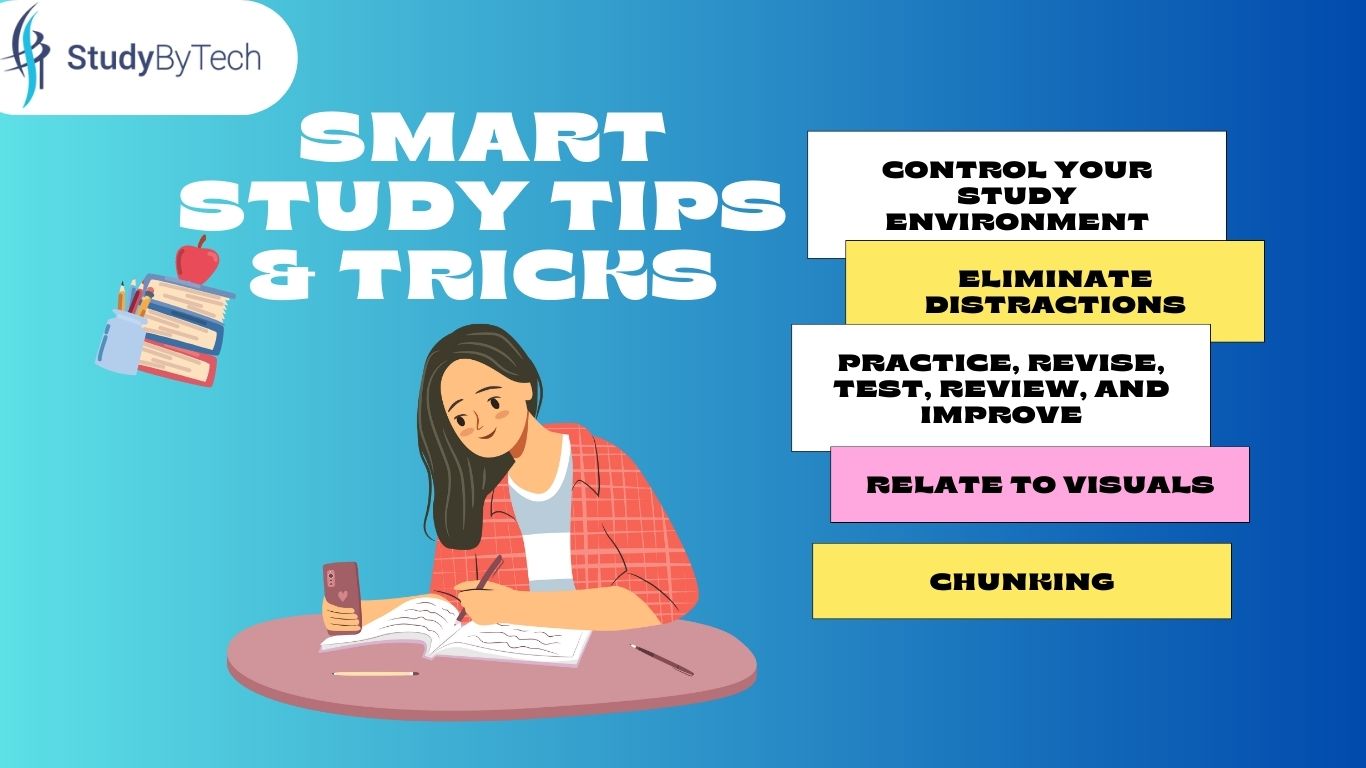
Breaking down complex information into smaller chunks can make it easier to study and retain. Try organizing your notes into categories or creating a concept map.Comparison of Study Techniques
| Study Technique | Description | Benefits | Drawbacks | | --- | --- | --- | --- | | Spaced Repetition | Review material at increasingly longer intervals | Improves retention, reduces study time | Can be time-consuming to set up | | Active Recall | Actively recall information from memory | Improves retention, builds confidence | Can be challenging for complex material | | Chunking | Break down complex information into smaller chunks | Easier to study, reduces overwhelm | May not be suitable for highly interconnected topics |Managing Study Time
Effective time management is critical to successful exam preparation. Here are some strategies to help you stay on track.Create a Study Schedule
Plan out your study sessions in advance, setting specific goals for what you want to accomplish. Be realistic about how much time you have available.Prioritize High-Impact Topics
Focus on the most critical topics or areas where you need improvement. Don't waste time on material you're already confident in.Take Breaks
Taking regular breaks can help you stay focused and retain information better. Try using the Pomodoro Technique: work for 25 minutes, then take a 5-minute break.Overcoming Common Study Challenges
Many students face common challenges when studying for exams. Here are some strategies to help you overcome them.Procrastination
Break down large tasks into smaller, manageable chunks. Create a schedule and stick to it.Distractions
Identify potential distractions, such as social media or email notifications, and eliminate them while you study. Use tools like website blockers or phone apps to help you stay focused.Burnout
Make sure to take care of your physical and mental health during exam preparation. Get enough sleep, exercise regularly, and eat a balanced diet.Insights from Successful Students
"The key to successful studying is to be consistent and persistent. Set specific goals for yourself, and make sure to review material regularly. Don't try to cram all your studying into one session – it's not effective and can lead to burnout." – Rachel, college graduate
Practical Checklist
Here's a quick checklist to help you get started with effective studying: Identify your learning style
Create a study schedule
Prioritize high-impact topics
Use active recall and spaced repetition
Take regular breaks
Eliminate distractions
Frequently Asked Questions
Q: How can I stay motivated while studying for exams?
Set specific goals for yourself, and reward yourself when you achieve them. Find a study group or accountability partner to help keep you motivated.
Q: What's the best way to manage my study time?
Create a schedule and prioritize high-impact topics. Use tools like the Pomodoro Technique to stay focused.
Q: How can I overcome procrastination while studying?
Break down large tasks into smaller chunks, and create a schedule. Eliminate distractions, and use tools like website blockers to stay focused.
Q: What's the most important thing to remember when studying for exams?
Consistency and persistence are key. Review material regularly, and make sure to take care of your physical and mental health.
Conclusion
Effective exam preparation requires a strategic approach. By understanding your learning style, using effective study techniques, and managing your study time, you can set yourself up for success. Don't be afraid to try new things and adjust your approach as needed. With persistence and consistency, you can achieve your academic goals.Related: The Ultimate Travel Packing Checklist Template for Stress
