

Before You Leave: Essential Documents
As you plan your international trip for 2024, it's crucial to start with the basics: your travel documents. Ensuring you have all necessary paperwork can save you a world of stress and potential headaches at airports or border crossings.
First and foremost, verify the validity of your passport. Many countries require your passport to be valid for at least six months beyond your intended stay. If your passport is due to expire soon, renew it immediately.
Next, research visa requirements for your destination. Some countries offer visa-free travel or visas on arrival, while others require you to apply in advance. The process and requirements can vary significantly, so give yourself plenty of time.
Make digital copies of your passport, visa (if required), travel insurance documents, and driver's license (if you plan to rent a car). Leave a copy with a trusted friend or family member in case of an emergency.
Health and Vaccinations
When traveling internationally, your health and safety are paramount. Start by consulting your doctor or a travel clinic about recommended vaccinations for your destination. Some countries require specific vaccinations, and it's essential to get them well in advance, as some vaccines require multiple doses or have specific timing.
Additionally, if you take prescription medication, ensure you have enough for your trip, plus a little extra in case of delays. Carry your medication in your carry-on luggage and have a letter from your doctor explaining your medical condition and medication.
Travel insurance that covers medical expenses is also a must. It can provide financial protection in case you need medical attention or have to be evacuated.
Packing Smart
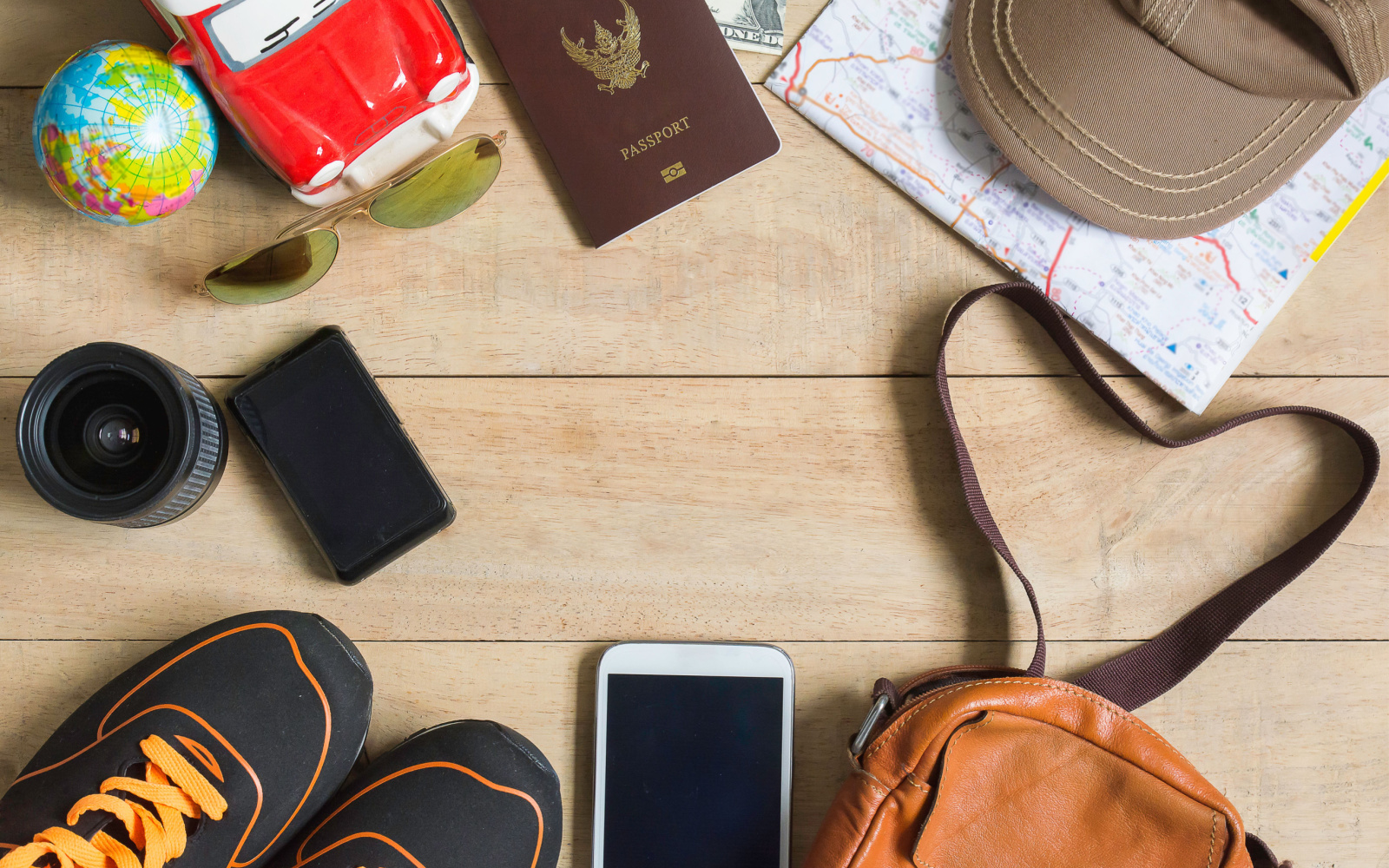
Packing for an international trip can be a daunting task, but there are ways to make it more manageable. Start by checking the weather forecast for your destination and packing accordingly. Consider packing clothing that can be easily mixed and matched.
To avoid checked baggage fees and the hassle of waiting at the baggage claim, try to pack light. Use packing cubes or roll your clothes to save space and reduce wrinkles.
Don't forget to pack essentials like a universal power adapter, a portable charger, and any necessary converters for your electronics.
Electronics and Adapters
| Device | Adapter Type | Voltage |
|---|---|---|
| Laptop | Type C, E/F | 230V |
| Smartphone | Type C, E/F | 230V |
| Camera | Type C, E/F | 230V |
Staying Safe and Connected
Staying safe and connected while traveling internationally is crucial. Consider registering with your government's travel advisory program, which can provide you with important safety and security updates about your destination.
Keep your smartphone charged and accessible, and consider purchasing a local SIM card or portable Wi-Fi hotspot for data access.
Be mindful of your surroundings, especially in crowded areas or tourist hotspots. Keep your valuables secure and be cautious when using ATMs or exchanging currency.
Financial Preparations
Before you leave, notify your bank and credit card providers of your travel plans, so they don't flag your transactions as suspicious.
Consider loading local currency on a prepaid currency card or having some cash on hand for when you arrive. Credit cards are widely accepted in many countries, but having some local currency can be helpful for small purchases or at markets.
Research any fees associated with using your credit or debit card abroad, and consider getting a card with no foreign transaction fees.
Travel Insurance: Why You Need It
Travel insurance can be a lifesaver in case of unexpected events like trip cancellations, medical emergencies, or lost luggage.
When choosing a policy, consider what type of coverage you need. Some policies offer comprehensive coverage, while others may focus on specific areas like medical or trip cancellations.
Read the fine print and understand what's covered and what's not.
Frequently Asked Questions
Q: Do I need travel insurance for international trips?
While not always required, travel insurance is highly recommended for international trips to cover unexpected medical expenses, trip cancellations, and other emergencies.
Q: How early should I apply for a visa?
Apply for a visa as early as possible, ideally 2-3 months before your trip, as processing times can vary significantly.
Q: Can I use my credit card abroad?
Yes, but be aware of potential foreign transaction fees. Consider getting a credit card with no foreign transaction fees or loading local currency on a prepaid card.
Q: What should I do if my passport is lost or stolen?
Report it immediately to the local police and your embassy or consulate. Have digital copies of your passport and other important documents to facilitate the replacement process.
Closing
With this practical guide to your international travel checklist for 2024, you're well on your way to a stress-free and enjoyable trip. From essential documents and health preparations to packing smart and staying safe, being prepared is key to making the most of your travels. Safe travels!
Related: Master Your Schedule: Quick Tips for Effective Time Management
Related: The Ultimate Travel Packing Checklist PDF for Stress - Free
Related: International Travel Checklist 2025
