
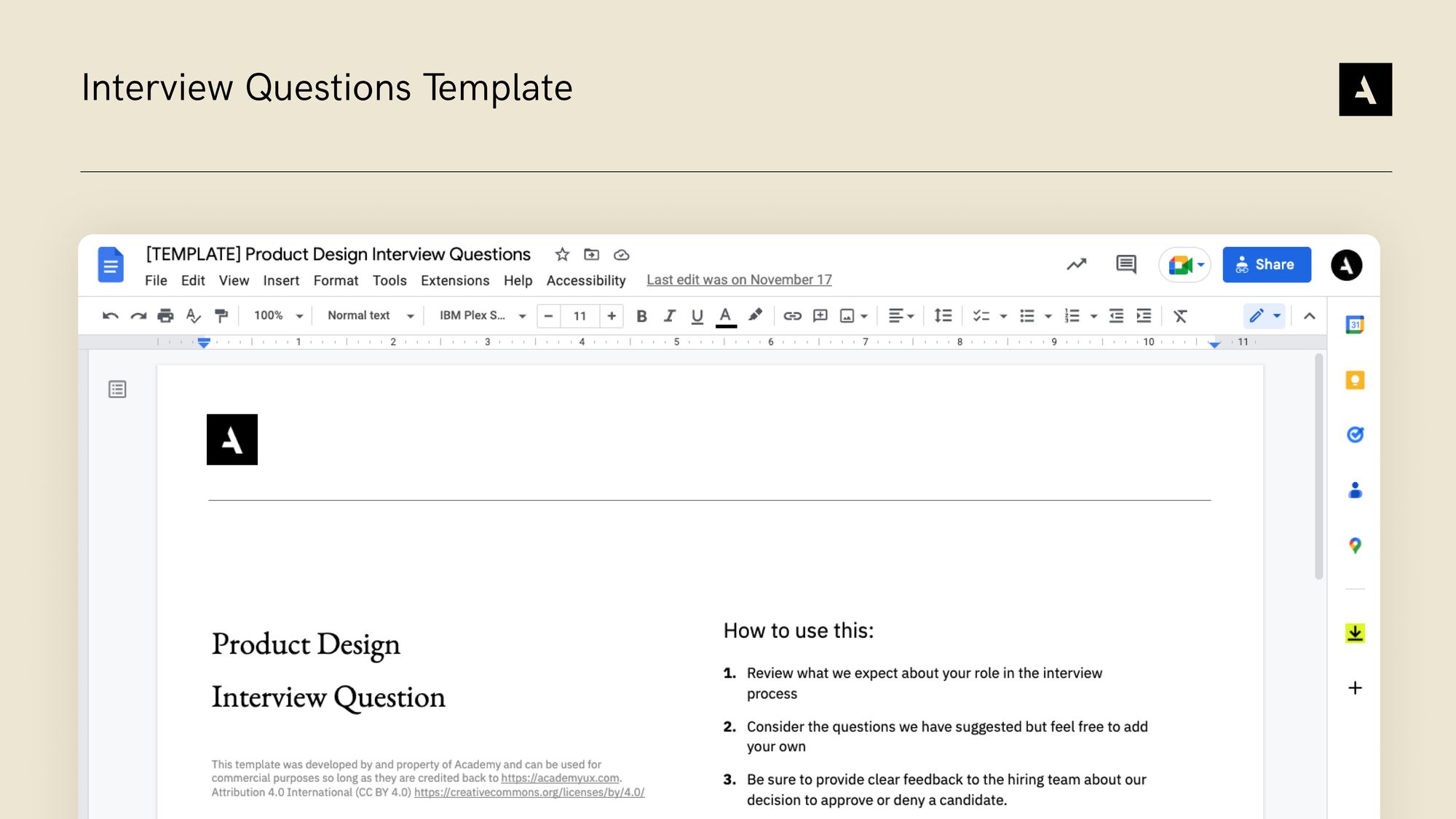
Understanding the Importance of an Interview Questions Format Template
When it comes to hiring new talent, a well-structured interview process is crucial. An interview questions format template helps you standardize the evaluation process, ensuring fairness and consistency across all interviews. This not only improves the quality of your hiring decisions but also enhances the candidate experience. A good template guides you through the interview, ensuring you cover all necessary topics and assess the candidate's skills and fit for the role effectively.
Key Components of an Interview Questions Format Template
A comprehensive interview questions format template should include several key components:
- Introduction and Icebreaker: A brief section to make the candidate feel comfortable and to break the ice. This could be a simple question about their background or interests.
- Job-Specific Skills and Knowledge: Questions tailored to the specific requirements of the job. These could range from technical skills to soft skills relevant to the position.
- Behavioral Questions: Designed to assess how the candidate handles past experiences and behaviors as a way to predict future performance.
- Cultural Fit and Team Dynamics: Questions to evaluate how well the candidate would integrate into your company's culture and work well with the existing team.
- Closing and Next Steps: A section to inform the candidate about the next steps in the process and to answer any questions they might have.
Creating Your Interview Questions Format Template
To create an effective template, follow these steps:
Step 1: Define the Job Requirements
Clearly outline the skills, qualifications, and experiences necessary for the role. This will serve as the foundation for your questions.Step 2: Develop Job-Specific Questions
Based on the job requirements, craft questions that will help assess the candidate's technical and soft skills.Step 3: Incorporate Behavioral Questions
Use the STAR method (Situation, Task, Action, Result) to frame behavioral questions that can provide insight into the candidate's past experiences and behaviors.Step 4: Assess Cultural Fit
Include questions that will help determine how well the candidate aligns with your company's values and culture.Step 5: Review and Refine
Review your template with the hiring team and refine it based on feedback and the specific needs of the role.Example of an Interview Questions Format Template
| <strong>Section</strong> | <strong>Example Questions</strong> |
|---|---|
| Introduction and Icebreaker | Can you tell me a little about your background and why you're interested in this role? |
| Job-Specific Skills and Knowledge | What experience do you have with [specific tool or software relevant to the job]? |
| Behavioral Questions | Describe a situation where you had to overcome a significant challenge in your previous role. |
| Cultural Fit and Team Dynamics | How do you handle feedback or criticism? Can you give an example? |
| Closing and Next Steps | Do you have any questions for us about the role or the company? |
"The key to a successful interview process is not just about asking the right questions, but also about creating a positive candidate experience. A well-structured interview questions format template can make all the difference." - Jane Doe, Recruitment Expert
Best Practices for Using an Interview Questions Format Template
- Customize for Each Role: Tailor your template to the specific requirements of each job to ensure relevance and effectiveness.
- Train Your Interviewers: Ensure all members of the hiring team are familiar with the template and understand how to use it effectively.
- Review and Update Regularly: Periodically review your templates and update them based on feedback, changes in job requirements, and evolving company needs.
Common Mistakes to Avoid
- Generic Questions: Avoid using generic questions that do not provide insight into the candidate's qualifications or fit for the role.
- Leading Questions: Be careful not to ask leading questions that could influence the candidate's response.
- Lack of Structure: Failing to have a structured interview process can lead to inconsistent evaluations and poor hiring decisions.
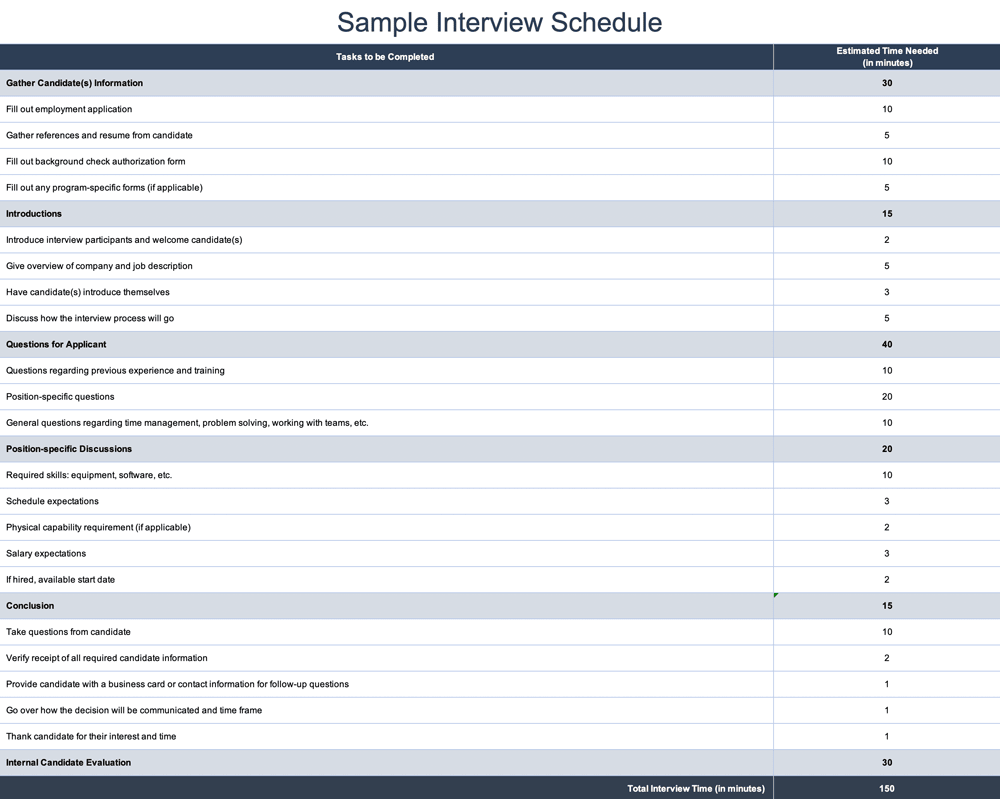
FAQs
Q: How often should I update my interview questions format template?
It's a good practice to review and update your templates at least annually or whenever there are significant changes in the job requirements or company culture.
Q: Can I use the same template for all positions?
While a core set of questions can be universal, it's best to customize your template for each role to ensure you're assessing the most relevant skills and experiences.
Q: How do I ensure my interview process is fair and unbiased?
Use a standardized template, train your interviewers on unconscious bias, and ensure all candidates are asked the same set of questions.
Q: What if a candidate asks a question that I haven't prepared for?
It's okay to take a moment to think or refer to notes. The goal is to have a natural conversation while still gathering necessary information.
Conclusion
An interview questions format template is a powerful tool in the hiring process, streamlining evaluations and ensuring fairness and consistency. By understanding its key components, creating a customized template, and following best practices, you can significantly improve the effectiveness of your interviews and make better hiring decisions.
Related: Ace Your Next Interview: Top Questions and Expert Tips
