

As a pet owner, you want to ensure your furry friend stays healthy and happy. While you may focus on providing a balanced diet and regular exercise, one aspect of pet care often gets overlooked: dental health. Just like humans, pets can suffer from dental problems, including tartar buildup, gum disease, and tooth loss. In this article, we'll explore the importance of pet dental care, provide tips on prevention and treatment, and discuss common mistakes to avoid.
The Importance of Pet Dental Care
Pet dental care is crucial for maintaining your pet's overall health. When your pet's teeth and gums are healthy, they can eat, chew, and play without discomfort or pain. However, when dental problems arise, they can lead to a range of issues, from bad breath and yellow teeth to more serious conditions like kidney disease and heart problems. According to the American Animal Hospital Association (AAHA), dental disease is one of the most common health issues affecting pets, with up to 80% of dogs and 70% of cats showing signs of dental disease by the age of three.

Preventing Pet Dental Problems
Preventing pet dental problems requires a combination of good habits and regular veterinary care. Here are some tips to get you started:
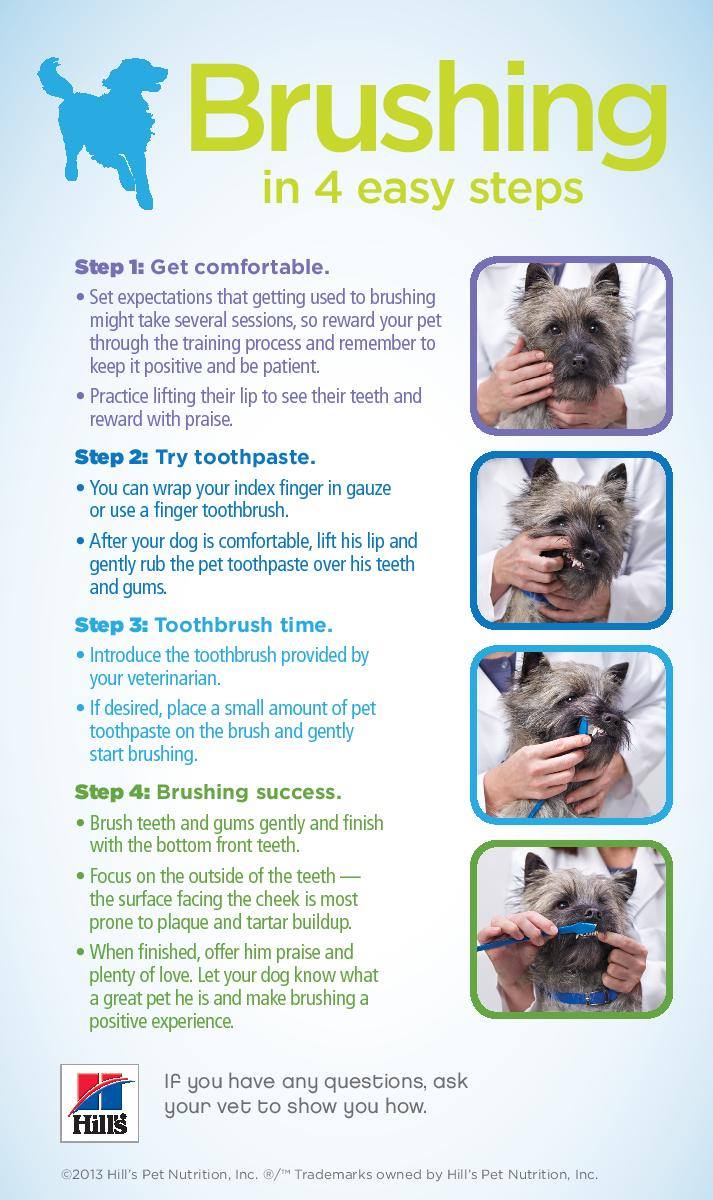
Brush your pet's teeth regularly: Just like humans, pets need regular brushing to remove plaque and tartar buildup. Use a pet-specific toothbrush and toothpaste, and aim to brush your pet's teeth at least 2-3 times a week.
Provide dental chews and toys: Dental chews and toys can help remove plaque and tartar buildup, while also providing a healthy outlet for your pet's chewing instinct. Look for products that carry the Veterinary Oral Health Council (VOHC) seal of approval.
Feed a balanced diet: A balanced diet that includes crunchy kibble and limited amounts of table scraps can help support your pet's dental health.
Common Pet Dental Mistakes to Avoid
While it's easy to get caught up in the excitement of pet ownership, there are several common mistakes pet owners make when it comes to dental care. Here are a few to avoid:
Not brushing your pet's teeth regularly: Infrequent brushing can lead to tartar buildup and dental problems.
Using human toothpaste: Human toothpaste contains ingredients that are toxic to pets, so make sure to use a pet-specific toothpaste.
Not providing regular veterinary care: Regular dental check-ups with your veterinarian can help identify dental problems early on, when they're easier to treat.
Treatment Options for Pet Dental Problems
If your pet is already experiencing dental problems, there are several treatment options available. Here are a few:
Dental cleaning: A dental cleaning, also known as a prophylaxis, is a routine procedure that involves removing plaque and tartar buildup from your pet's teeth.
Extractions: In some cases, tooth extractions may be necessary to remove severely damaged or infected teeth.
Surgery: More complex dental problems may require surgery to repair or remove damaged tissue.
The Benefits of Regular Pet Dental Care
Regular pet dental care can have a range of benefits for your pet's health and wellbeing. Here are a few:
Fresh breath: Regular brushing and dental care can help eliminate bad breath and leave your pet's mouth feeling fresh and clean.
Healthy gums: Healthy gums are essential for supporting your pet's teeth and overall dental health.
Prevents systemic disease: Research has shown that there may be a link between dental disease and systemic diseases like kidney disease and heart problems.
Frequently Asked Questions
Q: How often should I brush my pet's teeth?
Aim to brush your pet's teeth at least 2-3 times a week, or daily if possible.
Q: What is the best way to clean my pet's teeth?
Use a pet-specific toothbrush and toothpaste, and aim to brush your pet's teeth in a gentle, circular motion.
Q: Can I use human toothpaste on my pet?
No, human toothpaste contains ingredients that are toxic to pets, so make sure to use a pet-specific toothpaste.
Q: How often should I take my pet to the vet for dental check-ups?
The frequency of dental check-ups will depend on your pet's age, health, and dental history. Consult with your veterinarian to determine the best schedule for your pet.
Closing
By following these tips and working closely with your veterinarian, you can help keep your pet's teeth and gums healthy for years to come. Remember, pet dental care is an essential part of maintaining your pet's overall health and wellbeing. Don't wait – start prioritizing your pet's dental health today!
