
The Importance of Pet Dental Health
As a pet owner, you want to ensure your furry friend stays healthy and happy. One often-overlooked aspect of pet health is dental care. Just like humans, pets can suffer from dental problems that can lead to pain, discomfort, and even more serious health issues. In this article, we'll explore the importance of pet dental health, provide practical tips on how to care for your pet's teeth, and discuss treatment options for common dental problems.
Understanding Pet Dental Health
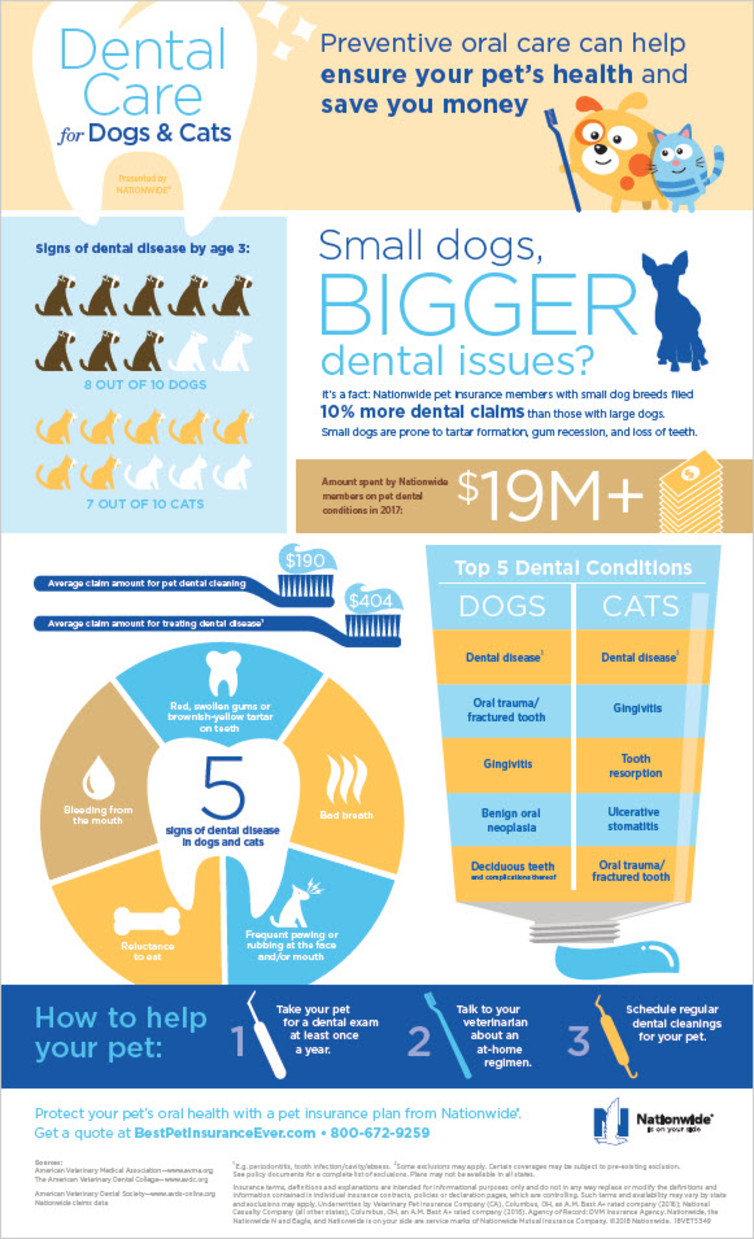
Pet dental health refers to the overall health of your pet's teeth, gums, and mouth. Poor dental health can lead to a range of problems, including bad breath, yellowing teeth, and gum disease. If left untreated, these issues can progress to more serious conditions like tooth abscesses, jaw fractures, and even heart disease. According to the American Animal Hospital Association (AAHA), dental disease is one of the most common health issues affecting pets.
Signs of Dental Problems in Pets
Identifying dental problems in pets can be challenging, as they often hide signs of pain and discomfort. However, there are some common signs to look out for:
Bad breath
Yellow or brown teeth
Red, swollen, or bleeding gums
Changes in appetite or eating habits
Pawing at the mouth or face
Whining or whimpering when eating or drinking
If you notice any of these signs, it's essential to schedule a dental check-up with your veterinarian.
Pet Dental Care Tips
Preventing dental problems in pets requires regular care and maintenance. Here are some practical tips to help keep your pet's teeth clean and healthy:
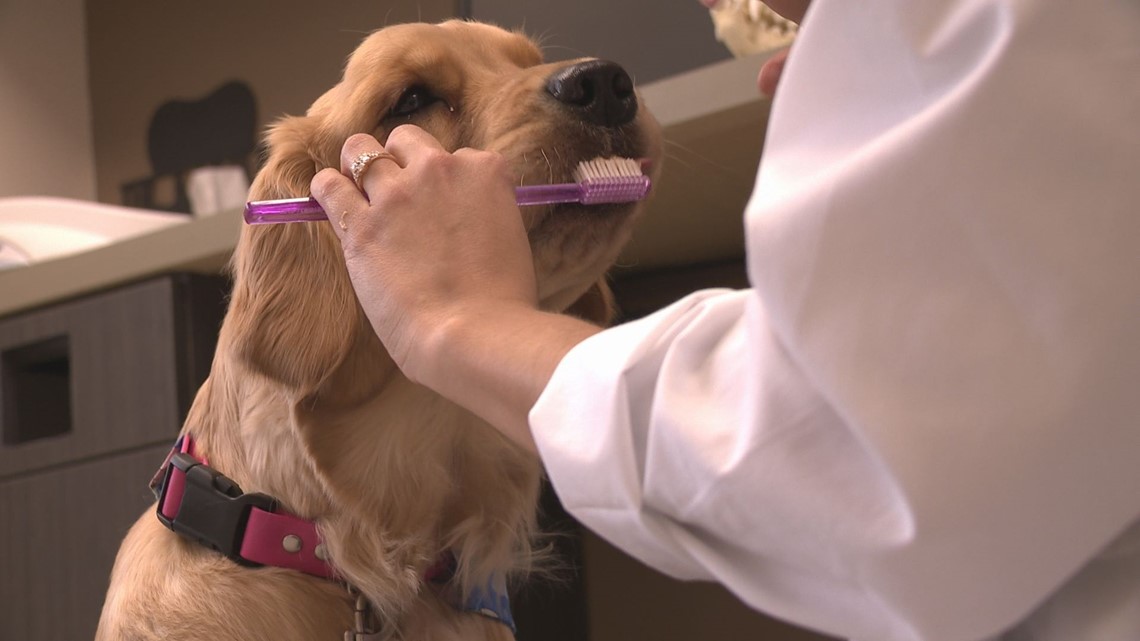
Brush your pet's teeth regularly: Use a pet-specific toothbrush and toothpaste to gently clean your pet's teeth. Start with short sessions and gradually increase the duration as your pet becomes more comfortable with the process.
Provide dental chews and toys: Dental chews and toys can help remove plaque and tartar from your pet's teeth, reducing the risk of dental problems.
Feed a balanced diet: A well-balanced diet that includes crunchy foods can help support dental health.
Schedule regular dental check-ups: Regular dental check-ups with your veterinarian can help identify dental problems early on, preventing more serious issues from developing.
Comparison of Dental Care Options
| <strong>Dental Care Option</strong> | <strong>Description</strong> | <strong>Cost</strong> | <strong>Effectiveness</strong> |
|---|---|---|---|
| Brushing | Regular brushing with pet-specific toothbrush and toothpaste | $0 - $10 | High |
| Dental Chews | Chews designed to remove plaque and tartar | $5 - $20 | Medium |
| Veterinary Dental Cleaning | Professional cleaning and polishing of teeth | $50 - $500 | High |
| Dental Surgery | Surgical removal of damaged teeth or tissue | $500 - $2000 | High |
"A healthy mouth is essential for a healthy pet. By prioritizing dental care, you can help prevent a range of problems and ensure your pet lives a happy, healthy life." - American Animal Hospital Association
Treatment Options for Dental Problems
If your pet is diagnosed with a dental problem, your veterinarian may recommend one of the following treatment options:
Dental cleaning: A professional cleaning and polishing of your pet's teeth to remove plaque and tartar.
Dental surgery: Surgical removal of damaged teeth or tissue.
Antibiotics: Medication to treat infections and promote healing.
Checklist: Pet Dental Care Essentials
Brush your pet's teeth regularly
Provide dental chews and toys
Feed a balanced diet
Schedule regular dental check-ups
Monitor for signs of dental problems
FAQs
Q: How often should I brush my pet's teeth?
Ideally, you should brush your pet's teeth daily, but at least 2-3 times a week.
Q: Can I use human toothpaste on my pet?
No, human toothpaste is not suitable for pets. Use a pet-specific toothpaste that is designed for their teeth and gums.
Q: What are the risks of not treating dental problems in pets?
Untreated dental problems can lead to pain, discomfort, and more serious health issues, including heart disease and kidney disease.
Q: Can dental problems be prevented in pets?
Yes, many dental problems can be prevented with regular care and maintenance, including brushing, providing dental chews and toys, and scheduling regular dental check-ups.
Conclusion
Pet dental health is a critical aspect of overall pet health. By prioritizing dental care, you can help prevent a range of problems and ensure your pet lives a happy, healthy life. Remember to brush your pet's teeth regularly, provide dental chews and toys, feed a balanced diet, and schedule regular dental check-ups. If you suspect your pet is suffering from a dental problem, don't hesitate to schedule a check-up with your veterinarian. With the right care and attention, you can help keep your pet's teeth clean and healthy for years to come.
Related: Easing Neck Pain from Looking Down at Your Phone
Related: Soothe Your Lower Back Pain After Sitting Long
Related: A Practical Guide to Dentistry for Dogs Tips
Related: A Practical Guide to Dog Health: Pet Care Tips for a Happy
