

As a dog owner, there's nothing more precious than the health and happiness of your furry friend. With so much information available, it can be overwhelming to know where to start. In this practical guide, we'll walk you through essential dog health and pet care tips to ensure your dog lives a long, happy life.
Nutrition Matters: Feeding Your Dog for Optimal Health
When it comes to dog health, nutrition plays a critical role. A balanced diet provides your dog with the necessary building blocks for growth, maintenance, and repair. But with so many dog food options available, how do you choose the right one?
Look for high-quality protein sources: Chicken, salmon, and lamb are excellent protein sources that provide essential amino acids.
Avoid fillers and by-products: Opt for dog food with whole ingredients and avoid those with fillers and by-products that can be difficult for your dog to digest.
Consider your dog's life stage: Puppies, adult dogs, and seniors have different nutritional needs. Choose a dog food that's formulated for your dog's life stage.
For example, if you have a puppy, you'll want to choose a dog food that's rich in protein and calories to support growth and development. On the other hand, if you have a senior dog, you may want to choose a dog food that's lower in calories and fat to help manage weight.
The Importance of Regular Grooming
Regular grooming is not only essential for your dog's appearance, but also for their overall health. Grooming helps to:
Remove dirt and debris: Regular brushing and bathing help to remove dirt and debris that can cause skin irritation and infection.
Detect health issues: Grooming provides an opportunity to check for skin issues, such as fleas, ticks, and skin lesions.
Reduce shedding: Regular brushing can help to reduce shedding and prevent hairballs.
Consider investing in a good quality brush and shampoo, and make grooming a regular part of your dog's routine.
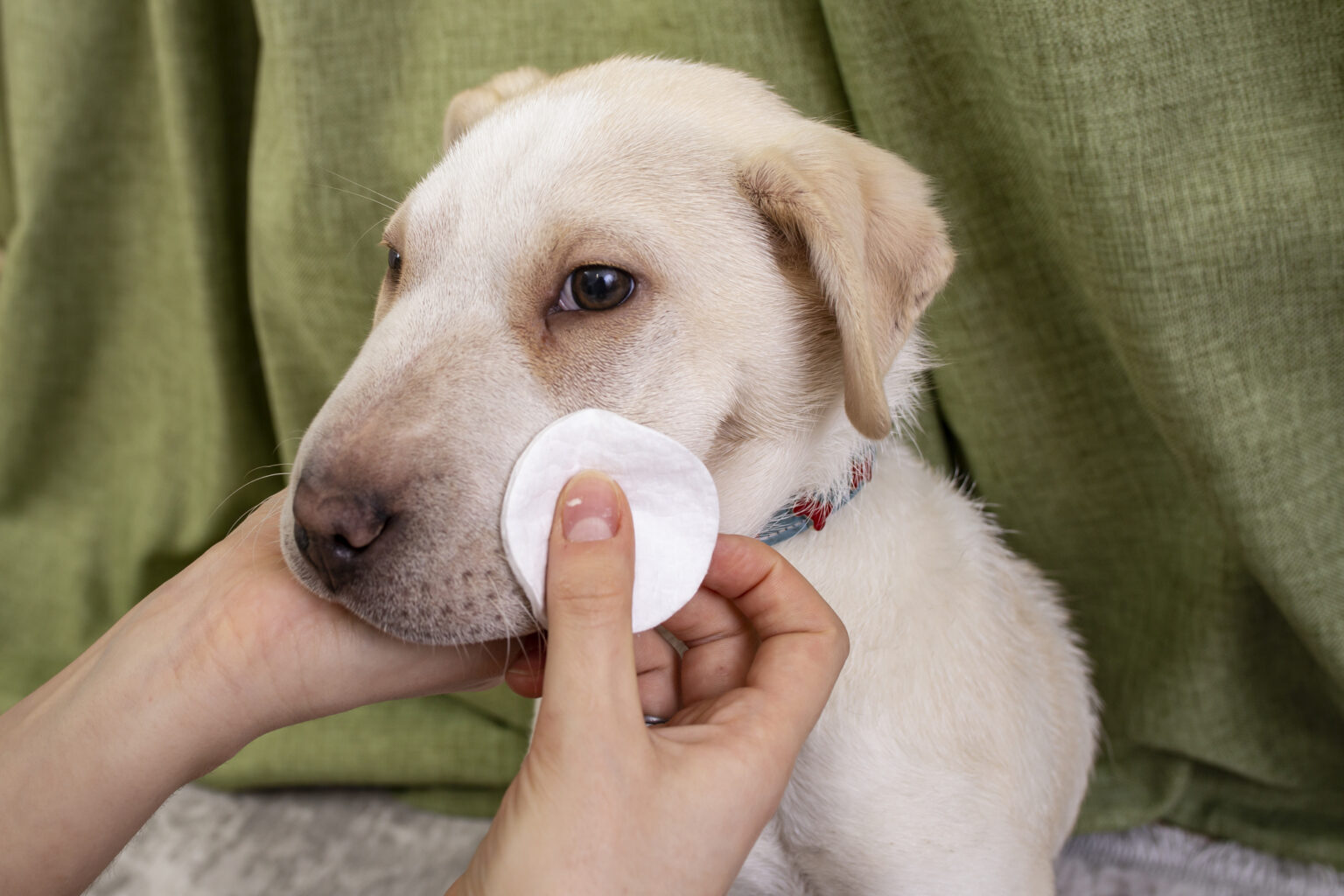
Health Checks: Catching Issues Early
Regular health checks are essential for catching health issues early. Here are some key things to look out for:
Changes in appetite or water intake: A decrease or increase in appetite or water intake can be a sign of underlying health issues.
Changes in urination or defecation: Changes in urination or defecation habits can be a sign of underlying health issues, such as kidney disease or gastrointestinal problems.
Changes in behavior: Changes in behavior, such as lethargy or aggression, can be a sign of underlying health issues.
By catching health issues early, you can help to prevent more serious problems from developing.
Common Health Issues: What You Need to Know
As a dog owner, it's essential to be aware of common health issues that can affect your dog. Here are some key things to know:
Hip dysplasia: A genetic condition that affects the hip joint, causing arthritis and mobility issues.
Ear infections: A common issue that can cause discomfort and pain if left untreated.
Dental problems: Tartar buildup and gum disease can cause bad breath, painful gums, and tooth loss.
By being aware of these common health issues, you can take steps to prevent them or catch them early.
Vaccinations and Preventative Care
Vaccinations and preventative care are essential for protecting your dog from serious diseases. Here are some key things to know:
Core vaccinations: Rabies, distemper, and parvovirus vaccinations are essential for protecting your dog from serious diseases.
Non-core vaccinations: Bordetella and Lyme disease vaccinations may be recommended depending on your dog's lifestyle and risk factors.
- Parasite control: Regular parasite control measures, such as flea and tick medication, can help to prevent infestations.
By staying on top of vaccinations and preventative care, you can help to protect your dog from serious diseases.
FAQ
Q: How often should I take my dog to the vet?
It's recommended to take your dog to the vet at least once a year for a check-up and to stay on top of vaccinations and preventative care.
Q: What are the signs of dental problems in dogs?
Signs of dental problems in dogs include bad breath, yellow or brown teeth, and changes in eating or drinking habits.
Q: Can I give my dog human food?
While it's tempting to give your dog human food, it's essential to stick to a balanced dog food diet to ensure your dog gets the nutrients they need.
Q: How often should I groom my dog?
The frequency of grooming depends on your dog's breed, age, and lifestyle. As a general rule, aim to brush your dog at least 2-3 times a week and bathe them every 1-2 months.
Conclusion
Taking care of your dog's health is a big responsibility, but with the right advice and guidance, you can help to ensure your furry friend lives a long, happy life. By following these practical dog health and pet care tips, you can help to prevent common health issues, detect problems early, and provide your dog with the best possible care.
Related: how to stop overthinking at night
Related: How to Sleep Faster at Night: Simple Techniques for a Restful
Related: Pet Dental Care: What Actually Makes Sense?
Related: Cheap Dental Pet Care: What Actually Makes Sense?
Related: Healthcare for Pets Tips
Related: Essential Pet Dental Health Tips for a Healthier Smile
Related: 5 Useful Things to Know About Cheap Healthy Meal Prep Ideas
