

As a pet owner, you want the best for your furry friend, and that includes a healthy, happy smile. Yet, dental health issues are among the most common problems pets face. The good news is that with the right knowledge and habits, you can significantly reduce the risk of dental problems and ensure your pet's teeth and gums stay healthy.
The State of Pet Dental Health
Dental issues are a leading health concern for pets. According to veterinary estimates, by the time pets are three years old, many have already developed some form of dental disease. The most common issues include tartar buildup, gum disease, and tooth decay. These problems don't just affect your pet's mouth; they can lead to more serious health issues if left untreated, such as infections that spread to other parts of the body.
Understanding Pet Dental Anatomy
To effectively care for your pet's dental health, it's essential to understand a bit about their dental anatomy. Unlike humans, who have a variety of dental structures suited for omnivorous diets, pets have evolved for specific dietary needs—carnivorous for cats and omnivorous for dogs. This difference impacts their dental structure; for example, dogs have a more complex dental anatomy that includes incisors, canines, premolars, and molars, which are adapted for tearing, piercing, and crushing food.
Daily Habits for Healthy Pet Teeth
Establishing a daily routine can make a significant difference in maintaining your pet's dental health. Here are some habits to consider:
- Brushing: Yes, you can brush your pet's teeth. This might seem daunting, but with the right approach and tools, such as a pet-specific toothbrush and toothpaste, it can become a manageable part of your daily routine. Start slowly, letting your pet get used to the toothbrush and toothpaste.
- Diet: What your pet eats plays a crucial role in their dental health. There are dental diets specifically designed to reduce tartar and plaque. These foods are usually designed to be chewed more thoroughly, which helps clean the teeth.
- Chew Toys: Chew toys can be an excellent way to help keep your pet's teeth clean. Look for toys that are designed for dental health; these often have ridges and textures that help remove plaque.

The Pros and Cons of Dental Chews
Dental chews are a popular option for pet owners looking to improve their pet's dental health. Here's a quick comparison:
| <strong>Benefits</strong> | <strong>Drawbacks</strong> |
|---|---|
| Reduces tartar and plaque | Can be high in calories |
| Freshens breath | Not suitable for all ages or sizes |
| Easy to incorporate into a daily routine | Some pets may not find them palatable |
| Can help reduce the need for professional cleanings | May not address underlying dental issues |
Professional Dental Care
Even with the best at-home care, professional dental cleanings are crucial. These cleanings, performed under anesthesia, allow veterinarians to thoroughly clean below the gum line and inspect for any signs of dental disease. They can also catch problems early, which can save your pet from pain and you from costly procedures down the line.
Common Mistakes in Pet Dental Care
- Ignoring the Issue: One of the biggest mistakes pet owners make is ignoring their pet's dental health. Early intervention can prevent more serious and costly problems.
- Using Human Products: Human toothpaste and dental products are not suitable for pets. They can contain ingredients that are toxic to animals.
FAQs
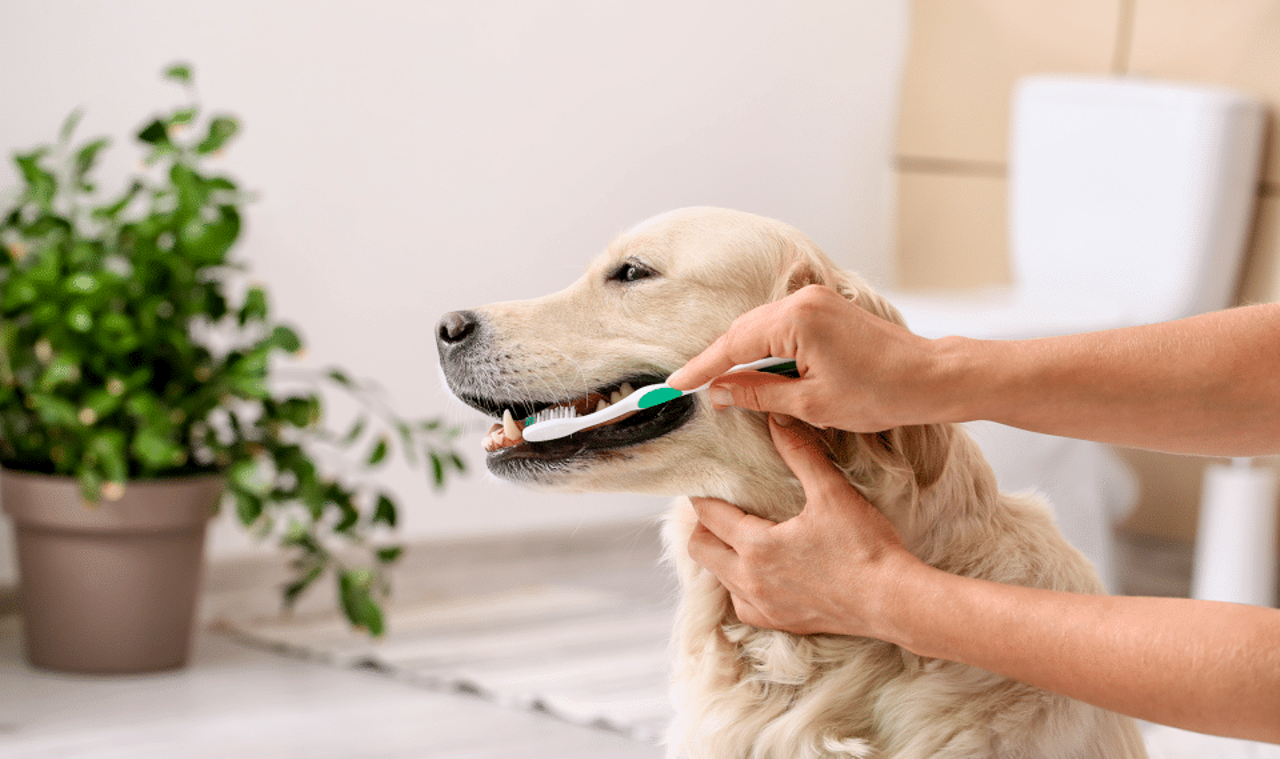
Q: How often should I brush my pet's teeth?
Ideally, you should brush your pet's teeth daily. However, even a few times a week can make a significant difference.
Q: Can I use human toothpaste on my pet?
No, human toothpaste contains ingredients that can be toxic to pets. Always use toothpaste specifically designed for pets.
Q: What are the signs of dental problems in pets?
Signs include bad breath, yellow or brown teeth, red gums, and changes in appetite or behavior.
Q: How often should my pet have a professional dental cleaning?
This varies depending on your pet's health and age. Your veterinarian can provide a recommendation based on your pet's specific needs.
Closing
Pet dental health is a critical aspect of your furry friend's overall well-being. By understanding the importance of dental care, establishing healthy habits, and incorporating professional care, you can ensure your pet enjoys a healthier, happier life. Taking proactive steps today can prevent painful and costly dental issues tomorrow, giving you and your pet more time to enjoy the moments that matter.
Related: 5 Useful Things to Know About Dog Dental Care
Related: A Practical Guide to Healthcare for Pets Tips
Related: Basic Pet Health Care Tips
Related: A Practical Guide to the Best Free Home Workout Apps
