

Understanding Software Budget Planning
Software budget planning is a critical aspect of any software development project. It involves estimating and allocating resources to ensure the project's financial sustainability. A well-planned software budget helps prevent cost overruns, delays, and scope creep. However, many organizations struggle with software budget planning, leading to project failures or financial strain.
The Importance of Software Budget Planning
Effective software budget planning is essential for several reasons:
Financial Control: A software budget helps you track expenses, identify areas of cost savings, and make informed financial decisions.
Prioritization: A budget enables you to prioritize features, functionalities, and resources, ensuring that the most critical aspects of the project are adequately funded.
Risk Management: A well-planned budget helps mitigate financial risks associated with software development, such as changes in requirements or unexpected technical issues.
Software Budget Planning Tips
Here are some practical software budget planning tips to help you optimize your development costs:
1. Define Project Scope and Requirements
Clearly defining the project scope and requirements is crucial for accurate budgeting. This involves:
Identifying the project's goals, objectives, and deliverables
Gathering and documenting requirements from stakeholders
Establishing a clear understanding of the project's technical and functional requirements
2. Estimate Development Costs
Estimating development costs is a critical step in software budget planning. Consider the following factors:
Personnel Costs: Calculate the costs of hiring developers, designers, project managers, and other team members.
Technology Costs: Estimate the costs of software, hardware, and infrastructure required for the project.
Contingency Funds: Allocate a portion of the budget for unexpected expenses and risks.
3. Prioritize Features and Functionalities
Prioritizing features and functionalities helps ensure that the most critical aspects of the project are adequately funded. Consider using:
MoSCoW Prioritization: Categorize features as Must-Haves, Should-Haves, Could-Haves, and Won't-Haves.
Kano Model: Classify features as Basic, Performance, or Excitement.
4. Choose the Right Development Methodology
The development methodology can significantly impact software development costs. Consider:
Agile: Agile methodologies involve iterative and incremental development, which can help reduce costs and improve flexibility.
Waterfall: Waterfall methodologies involve a linear and sequential approach, which can help ensure predictability and control.
Comparison of Software Development Methodologies
| Methodology | Advantages | Disadvantages |
|---|---|---|
| Agile | Flexible, iterative, and incremental | Higher risk, requires experienced team |
| Waterfall | Predictable, controlled, and linear | Inflexible, high upfront costs |
Software Budget Planning Tools and Techniques
Several tools and techniques can help with software budget planning, including:
Project Management Software: Tools like Asana, Trello, and MS Project can help track expenses, allocate resources, and manage timelines.
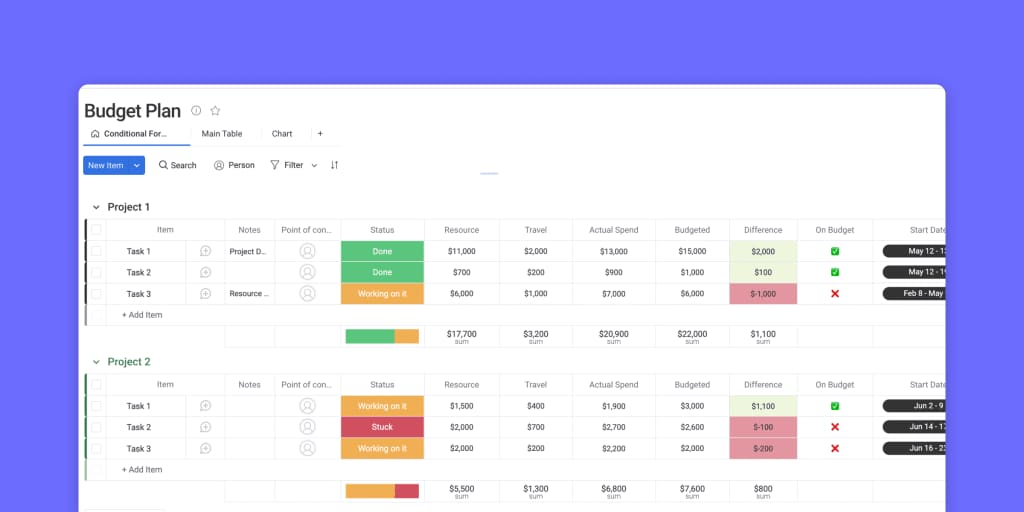
Budgeting Templates: Templates like the Software Development Budget Template can help estimate costs and create a budget plan.
Common Software Budget Planning Mistakes
Here are some common software budget planning mistakes to avoid:
Underestimating Costs: Failing to account for all costs, including personnel, technology, and contingency funds.
Overestimating Benefits: Overestimating the benefits of the project, leading to unrealistic expectations and financial strain.
Failing to Prioritize: Failing to prioritize features and functionalities, leading to scope creep and cost overruns.
Best Practices for Software Budget Planning
Here are some best practices for software budget planning:
Involve Stakeholders: Involve stakeholders in the budgeting process to ensure that everyone is aligned and aware of the project's financial goals.
Monitor and Adjust: Continuously monitor expenses and adjust the budget plan as needed to ensure financial sustainability.
FAQs
Q: What is the most critical aspect of software budget planning?
The most critical aspect of software budget planning is accurately estimating development costs and prioritizing features and functionalities.
Q: How can I ensure that my software budget plan is realistic?
To ensure that your software budget plan is realistic, involve stakeholders, use historical data, and account for contingency funds.
Q: What are some common software budget planning mistakes?
Common software budget planning mistakes include underestimating costs, overestimating benefits, and failing to prioritize features and functionalities.
Q: How can I optimize my software development costs?
To optimize software development costs, prioritize features and functionalities, choose the right development methodology, and continuously monitor expenses.
Conclusion
Effective software budget planning is crucial for ensuring the financial sustainability of software development projects. By following these practical software budget planning tips, you can optimize your development costs, prioritize features and functionalities, and ensure project success. A well-planned software budget helps prevent cost overruns, delays, and scope creep, ultimately leading to a successful project outcome.
By taking the time to understand software budget planning and implementing best practices, you can ensure that your project is financially sustainable and set up for success. Consider using the tips and techniques outlined above to create a comprehensive software budget plan that meets your project's needs. With careful planning and execution, you can deliver a successful software project that meets your goals and stays within budget.
Related: A Practical Guide to Free Website Small Business Ideas
Related: Best Small Business Ideas for Beginners: What Actually Makes
