
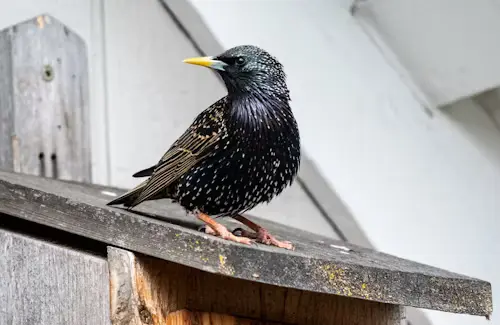
Understanding Starlings as Pets
Starlings are known for their intelligence, social behavior, and striking appearance. However, caring for a starling as a pet requires a deep understanding of their needs, behaviors, and requirements. These birds are not for beginners; they demand attention, social interaction, and a specific environment to thrive. Before deciding to bring a starling into your home, it's crucial to consider whether you can provide the necessary care and attention.
Nutrition and Diet
Starlings are omnivores, which means their diet consists of both plant and animal matter. In the wild, they forage for insects, seeds, fruits, and small invertebrates. As a pet owner, replicating this diet is essential for their health and well-being. A balanced diet for a pet starling should include:
- High-quality commercial pellets designed for birds
- Fresh fruits and vegetables daily
- Live or frozen insects, such as mealworms or crickets
- A limited amount of seed mix
Avoid giving your starling avocado, chocolate, or foods high in sugar and salt, as these can be toxic.
Creating the Right Environment
Starlings require a spacious and stimulating environment. Their cage should be large enough to allow for flight and exercise, with a minimum size of 2x3x4 feet. The cage should also be equipped with:
- A variety of perches to keep their feet healthy
- Toys and accessories to stimulate their intelligence and keep them entertained
- A bath for cleaning and hygiene
The cage should be placed in a quiet, draft-free area of your home, away from direct sunlight and predators.
Health and Veterinary Care
Starlings are prone to certain health issues, including respiratory problems, feather plucking, and beak and feather disease. Regular veterinary check-ups are crucial to monitor their health and catch any potential issues early. When selecting a veterinarian, ensure they have experience with avian care and starlings specifically.

Socialization and Training
Starlings are highly social birds that thrive on interaction. They require regular attention and socialization to prevent stress and behavioral problems. This can include:
- Spending time with them daily, talking and interacting
- Providing toys and activities to stimulate their mind
- Training them to perform tricks or behaviors
Training a starling requires patience and consistency. Positive reinforcement techniques, such as offering treats, are effective in teaching new behaviors.
Common Mistakes and Considerations
When caring for a starling, there are several common mistakes to avoid:
- Inadequate Cage Size: A cage that is too small can lead to stress, boredom, and health problems.
- Poor Diet: A diet lacking in variety and nutrients can lead to health issues and a weakened immune system.
- Lack of Socialization: Starlings require regular interaction to thrive; neglecting this can lead to behavioral problems.
Starling Pet Care: Pros and Cons
| <strong>Aspect</strong> | <strong>Pros</strong> | <strong>Cons</strong> |
|---|---|---|
| Intelligence | Highly intelligent, can learn tricks | Can be challenging to manage |
| Social Interaction | Affectionate, enjoys human company | Requires regular attention |
| Diet | Can be fed a varied diet | Requires careful planning |
| Space | Can be kept in a relatively small space | Needs a large cage for optimal health |
Frequently Asked Questions

Q: How long do starlings live as pets?
With proper care, starlings can live up to 10-15 years in captivity.
Q: Can starlings talk?
Starlings are known for their ability to mimic sounds and voices, but they do not talk in the same way humans do.
Q: Are starlings noisy?
Yes, starlings can be loud, especially in the morning and evening when they are most active.
Q: Can I keep a starling with other pets?
It's not recommended to keep starlings with other pets, especially predators, as they can stress the bird and lead to health problems.
Closing
Caring for a starling as a pet can be a rewarding experience, but it requires a commitment to providing the right environment, diet, and socialization. By understanding their needs and behaviors, you can create a happy and healthy home for your starling. If you're willing to invest the time and effort, a starling can make a wonderful and entertaining companion.
Related: What to Know About Travel Checklist Templates for Stress
