
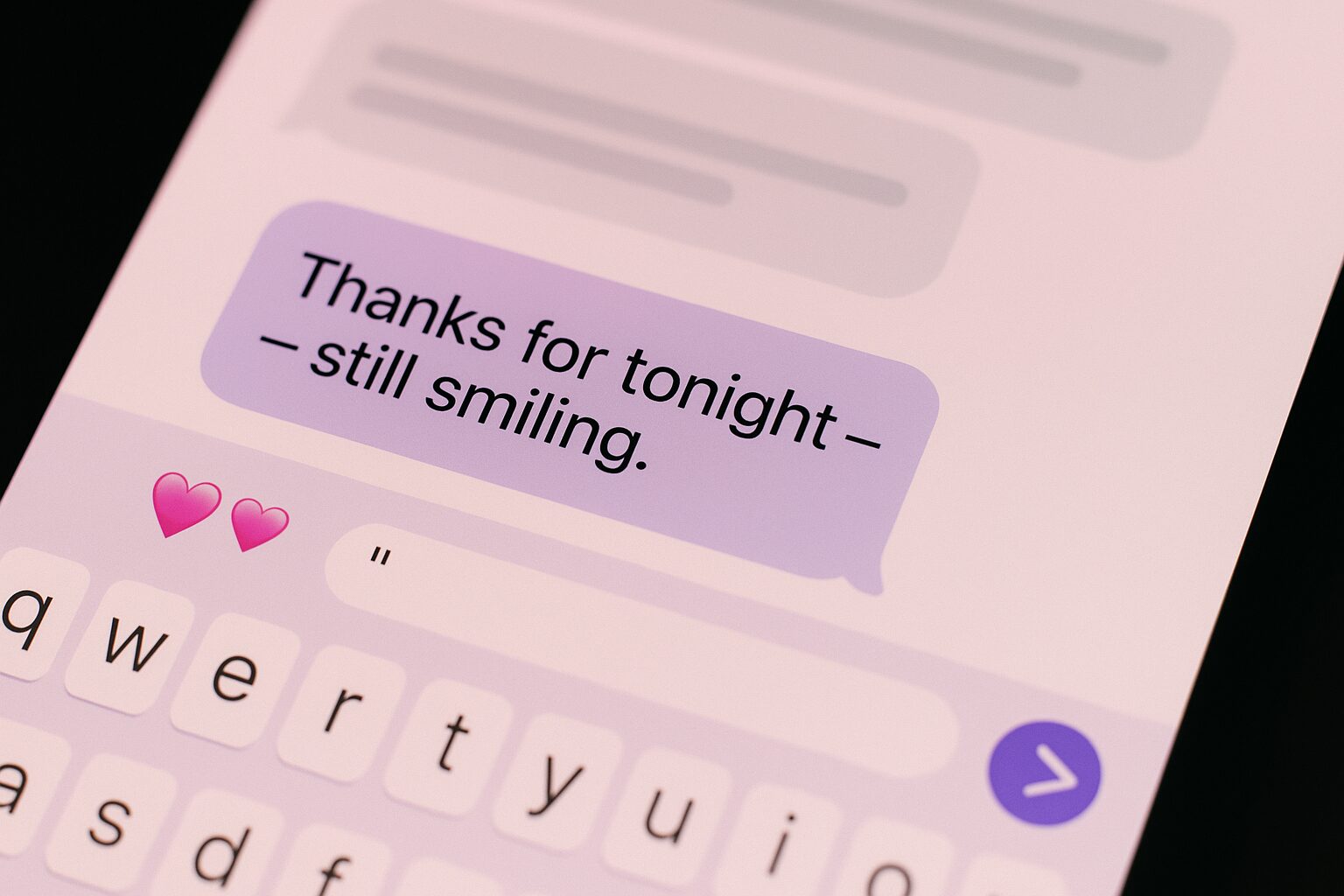
When to Text First After an Argument
You've had a fight with someone you care about, and now there's an uncomfortable silence. You're wondering if you should be the one to reach out first. The answer depends on the situation and your relationship with the other person.
In general, if you're the one who initiated the argument or said something hurtful, it's a good idea to text first and apologize. On the other hand, if the other person started the fight or you're not sure what happened, it might be better to wait and give them space.
Understanding the Risks of Texting First
Texting first after an argument can be tricky. If you're not careful, you might come across as insincere or pushy. Here are some risks to consider:
Escalating the conflict: If the other person is still upset, texting first could make things worse. They might interpret your message as aggressive or dismissive.
Being seen as weak: If you're always the one to reach out first, the other person might start to see you as weak or submissive.
Not being heard: If the other person is not ready to talk, your text might get lost in their anger or hurt.
When It's Okay to Text First
There are situations where texting first after an argument is not only okay but also necessary. Here are some examples:
You said something hurtful: If you're the one who said something hurtful or mean during the argument, it's your responsibility to apologize and make amends.
You initiated the argument: If you started the fight, it's only fair that you reach out first and try to make things right.
You want to clarify a misunderstanding: If you think there's been a misunderstanding, texting first can help clear the air and prevent further conflict.

How to Text First Effectively
If you decide to text first after an argument, here are some tips to keep in mind:
Be sincere and apologetic: Use a genuine and apologetic tone in your text. Acknowledge your mistakes and take responsibility for your actions.
Keep it short and simple: Keep your text brief and to the point. Avoid blaming the other person or bringing up old grievances.
- Give them space: Don't expect an immediate response. Give the other person time and space to process your message.
Example Texts to Send After an Argument
Here are some example texts you could send after an argument:
"Hey, I'm sorry for what I said during our argument. I was out of line, and I regret my words."
"I know we had a disagreement, but I value our relationship and I want to talk things through. Can we start fresh?"
"I'm still thinking about our argument, and I realize I was wrong to do/say X. Can you forgive me?"
Comparison: Texting vs. Talking
When it comes to resolving conflicts, some people prefer texting, while others prefer talking in person. Here's a comparison of the two:
| <strong>Method</strong> | <strong>Pros</strong> | <strong>Cons</strong> |
|---|---|---|
| Texting | Convenient, less confrontational, allows for reflection | Limited tone and context, may lead to misinterpretation |
| Talking | More personal, allows for immediate feedback, clearer tone and context | Can be confrontational, may lead to escalation |
FAQs
Here are some frequently asked questions about texting first after an argument:

Q: What if the other person doesn't respond to my text?
Don't take it personally and give them more time. If they still don't respond, consider talking to them in person or seeking mediation.
Q: How do I know if I'm being too pushy or aggressive in my text?
Pay attention to your tone and language. If you're coming across as pushy or aggressive, rephrase your message to be more conciliatory.
Q: Can I text first if the other person is the one who initiated the argument?
It depends on the situation. If you're sure that the other person is willing to talk and resolve the issue, then texting first might be okay. However, if they're still upset or angry, it might be better to wait.
Q: What if I'm not sure what to say in my text?
Take some time to reflect on the argument and your actions. Consider what you want to apologize for and how you want to move forward. Keep your text simple and sincere.
Conclusion
Related: What to Know About Travel Checklist Templates and Free
Related: Free Printable Travel Checklist Template for Stress - Free
