
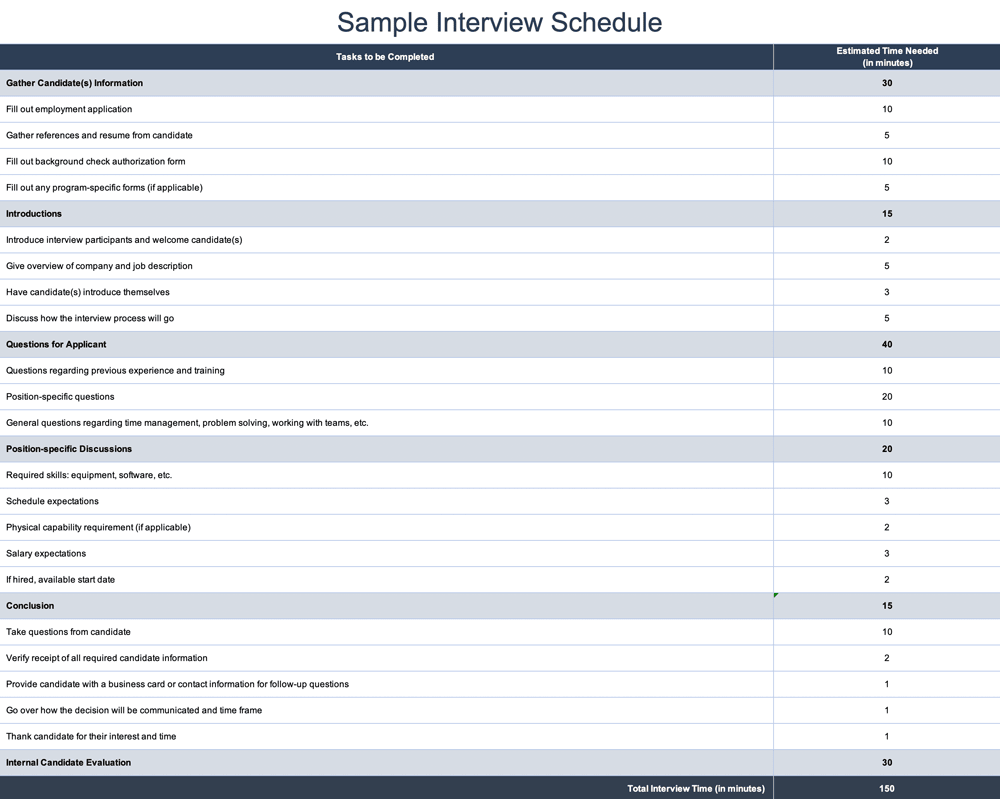
Understanding the Importance of Interview Preparation
Walking into an interview without proper preparation is like navigating a maze blindfolded. You might stumble upon a few correct answers, but you'll likely miss out on showcasing your full potential. A well-prepared candidate, on the other hand, exudes confidence and demonstrates a genuine interest in the role. One of the key components of interview preparation is familiarizing yourself with good interview questions.
Types of Interview Questions
Interview questions can be broadly categorized into three types: behavioral, situational, and technical. Understanding the type of questions you're likely to face can help you tailor your preparation.
Behavioral Questions
Behavioral questions are designed to assess your past experiences and behaviors as a way to predict your future performance. These questions typically start with "Tell me about a time when..." or "Can you give an example of...".
Examples:
- Tell me about a project you managed from start to finish. What challenges did you face, and how did you overcome them?
- Can you describe a situation where you had to work with a difficult team member? How did you handle it?
Situational Questions
Situational questions present hypothetical scenarios and ask you to describe how you would respond. These questions evaluate your problem-solving skills, decision-making process, and ability to think on your feet.
Examples:
- If you were tasked with leading a team on a project but one of your team members was consistently late and underperforming, what would you do?
- How would you handle a tight deadline and multiple priorities?
Technical Questions
Technical questions are specific to the industry or role you're applying for and are designed to test your knowledge and skills. These questions can range from software proficiency to financial analysis.
Examples:
- What do you know about our company's products/services, and how would you market them?
- Can you walk me through your process for analyzing financial statements?
Good Interview Questions Template
While it's impossible to predict every question you'll be asked, having a template of common interview questions can help you prepare. Here's a list of good interview questions across various categories:
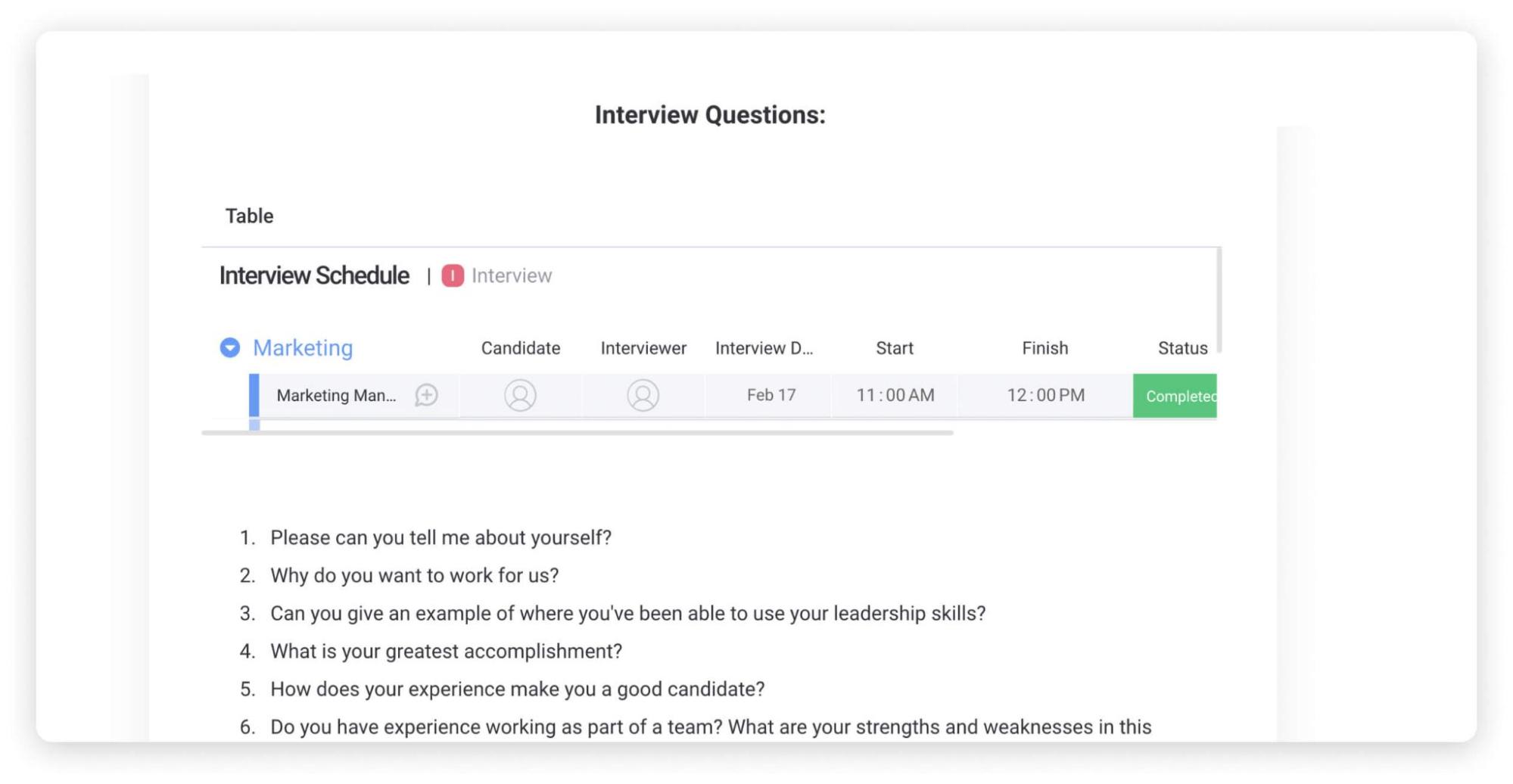
Introduction and Icebreaker Questions
- Can you tell me a little about yourself?
- Why are you interested in this role/company?
- What do you know about our company?
Job-Specific Questions
- What do you think are the most important qualities for this role, and how do you embody them?
- Can you describe your experience with [specific tool or software]?
Career Goals and Development
- Where do you see yourself in five years?
- What are your long-term career goals, and how does this role fit into your plans?
Teamwork and Leadership
- Can you give an example of a time when you demonstrated leadership?
- How do you handle feedback or criticism from team members or supervisors?
How to Approach Interview Questions
The STAR method is a useful framework for answering behavioral interview questions:
- S - Situation: Set the context for your story.
- T - Task: Describe the task or challenge you faced.
- A - Action: Explain the actions you took to address the challenge.
- R - Result: Share the outcome of your actions.
Common Interview Mistakes to Avoid
- Lack of preparation: Not researching the company or practicing common interview questions.
- Poor body language: Failing to maintain eye contact, slouching, or crossing your arms.
- Negative talk: Speaking negatively about previous employers or colleagues.
Final Tips for a Successful Interview
- Practice, practice, practice: The more you practice answering interview questions, the more confident you'll feel.
- Be yourself: Authenticity is key in an interview. Don't try to be someone you're not.
- Follow up: Send a thank-you note or email after the interview to express your gratitude and reiterate your interest in the role.
Frequently Asked Questions
Q: How do I prepare for an interview with no experience?
Focus on your education, transferable skills, and any relevant projects or internships. Practice answering behavioral questions using the STAR method.
Q: What are some good questions to ask the interviewer?
Ask about the company culture, team dynamics, and opportunities for growth and development.
Q: How long should my interview answers be?
Keep your answers concise and to the point, ideally 1-2 minutes long.
Q: What if I don't know the answer to a question?
Be honest and say you're not sure. Then, try to relate the question to a similar experience or skill you have.
Closing
Acing an interview is not just about having the right answers; it's about showcasing your personality, skills, and experiences in a compelling way. By understanding the types of interview questions, practicing with a template, and avoiding common mistakes, you'll be well on your way to landing your dream job.
Related: Ace Your Next Interview: Essential Questions List Template
Related: Ace Your Next Interview: Free Interview Question Template
Related: 5 Useful Things to Know About Cheap Online Professional
