
Understanding the Job Interview Landscape
The job interview process can be daunting, especially for those who are new to the job market or looking to switch careers. With so many potential questions and topics to cover, it's easy to feel overwhelmed. However, with the right preparation and mindset, you can turn the interview into an opportunity to showcase your skills and personality.
Common Job Interview Questions: What to Expect
When it comes to job interviews, there are certain questions that are commonly asked across various industries and positions. These questions are designed to assess your background, skills, and fit for the role. Here are some examples:
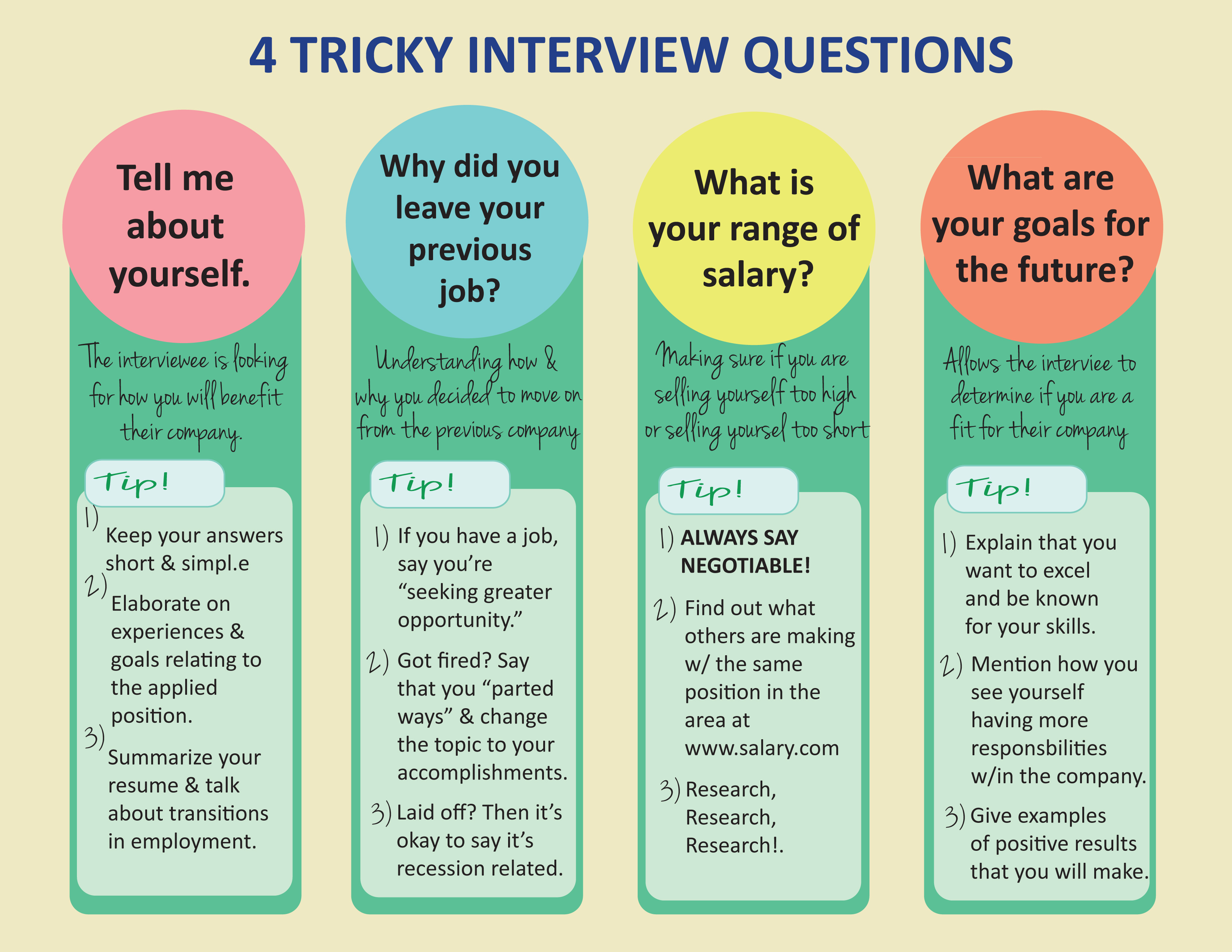
Can you tell me about yourself?
What are your strengths and weaknesses?
Why do you want to work for our company?
Where do you see yourself in five years?
Why are you leaving your current job (or why did you leave your previous job)?
While these questions may seem straightforward, they can be tricky to answer effectively. The key is to be prepared and provide specific examples that demonstrate your skills and experience.
Preparation is Key: Research and Practice
To ace a job interview, you need to do your homework. Research the company, review the job description, and practice your responses to common interview questions. Here are some tips to help you prepare:
Review the company's website, social media, and recent news articles to get a sense of their mission, values, and current projects.
Study the job description and requirements to understand the skills and qualifications the interviewer will be looking for.
Practice answering common interview questions with a friend or family member, or record yourself to identify areas for improvement.
The Art of Storytelling: How to Answer Behavioral Interview Questions
Behavioral interview questions are designed to assess your past experiences and behaviors as a way to predict your future performance. These questions typically start with "Tell me about a time when..." or "Can you give an example of...". Here are some tips for answering behavioral interview questions:
Use the STAR method to structure your response: Situation, Task, Action, Result.
Be specific and provide details about the situation, the task you were faced with, the actions you took, and the results you achieved.
Highlight your skills and accomplishments, and explain what you learned from the experience.
Navigating Tough Interview Questions: Tips and Strategies
Not all interview questions are easy to answer. Some may be designed to test your problem-solving skills, while others may be intended to throw you off guard. Here are some tips for navigating tough interview questions:
Stay calm and take a moment to collect your thoughts before responding.
Don't be afraid to ask for clarification or more information if you're unsure about the question.
Use the opportunity to showcase your skills and experience, and provide specific examples to support your answers.
Salary and Benefits: How to Negotiate with Confidence
For many job seekers, salary and benefits are a major consideration. Here are some tips for negotiating with confidence:
Research the market rate for your position and industry to determine a fair salary range.
Be prepared to discuss your salary expectations and provide evidence to support your request.
Consider the total compensation package, including benefits, vacation time, and professional development opportunities.
:max_bytes(150000):strip_icc()/job-interview-questions-and-answers-2061204-Final-edit-3c00ddccd27146ee877c178884cea990.jpg)
Final Tips and Reminders
Remember, the key to acing a job interview is preparation and confidence. Here are some final tips and reminders:
Be yourself and be honest during the interview.
Show enthusiasm and interest in the company and position.
Follow up with a thank-you note or email after the interview to express your gratitude and reiterate your interest in the role.
FAQs
Here are some frequently asked questions about job interviews:
Q: What are the most common job interview questions?
Some of the most common job interview questions include "Can you tell me about yourself?", "What are your strengths and weaknesses?", and "Why do you want to work for our company?".
Q: How do I prepare for a job interview?
To prepare for a job interview, research the company, review the job description, and practice your responses to common interview questions.
Q: What should I wear to a job interview?
Dress professionally and conservatively for a job interview, and make sure your attire is clean and pressed.
Q: How long should I wait to follow up after a job interview?
It's a good idea to follow up with a thank-you note or email within 24 hours of the interview, and then wait about a week to follow up with a phone call or email if you haven't heard back.
Closing
Landing your dream job takes time, effort, and perseverance. By understanding the job interview process, preparing thoroughly, and showcasing your skills and personality, you can increase your chances of success. Remember to stay calm, be confident, and follow up with a thank-you note or email after the interview. Good luck!
Comparison Box:
| <strong>Interview Stage</strong> | <strong>Goal</strong> | <strong>Tips</strong> |
|---|---|---|
| Pre-Interview | Research company and role | Review company website, social media, and recent news articles |
| Introduction | Showcase personality and background | Be yourself, be honest, and provide specific examples |
| Behavioral Questions | Demonstrate skills and experience | Use STAR method, be specific, and highlight accomplishments |
| Tough Questions | Stay calm and showcase skills | Take a moment to collect thoughts, ask for clarification, and provide specific examples |
| Salary and Benefits | Negotiate with confidence | Research market rate, be prepared to discuss salary expectations, and consider total compensation package |
Related: A Practical Guide to Acing Interview Competency Questions
Related: What to Know About Starting Small Business Ideas Online
Related: What to Know About Free Resume Templates for Download
