
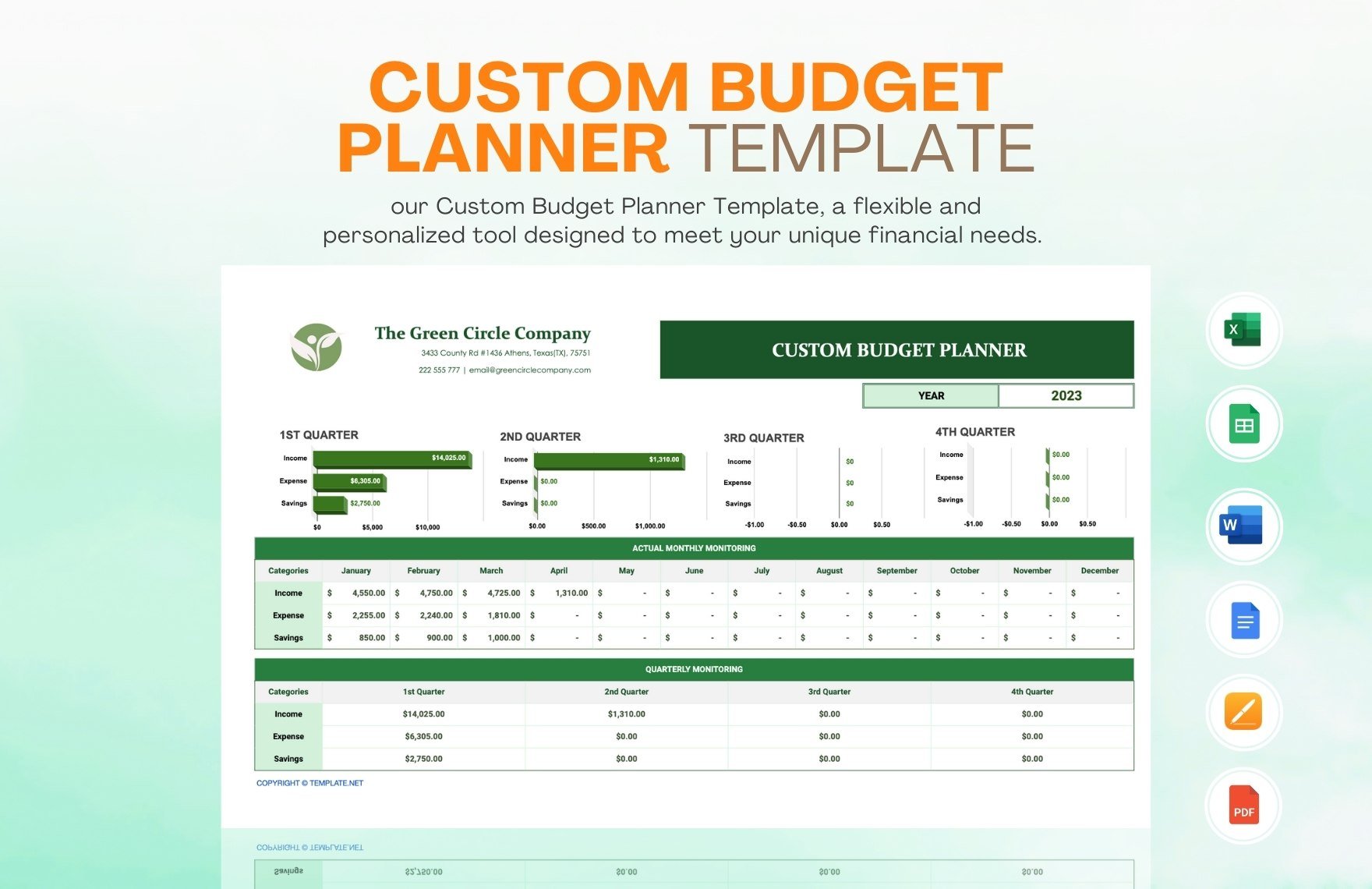
A Solid Foundation for Financial Stability
Getting your finances in order can seem daunting, but it all starts with a simple, yet effective budget planner template. With numerous options available, choosing the right template can be overwhelming. This article will guide you through the process of selecting the best budget planner template for your needs, helping you to manage your finances efficiently, and ultimately achieve financial freedom.
Understanding Your Budgeting Needs
Before diving into the world of budget planner templates, it's essential to assess your financial situation and identify your budgeting needs. Consider the following factors:
Your income and expenses
Financial goals, such as saving for a down payment on a house or paying off debt
Spending habits and areas where you can cut back
Any financial challenges you're facing, like irregular income or high-interest debt
Identifying Your Budgeting Style
Are you a hands-on, pen-and-paper type, or do you prefer digital tools? Your budgeting style will influence the type of template you choose. Some people prefer a physical planner, while others opt for a spreadsheet or mobile app.
Types of Budget Planner Templates
There are various types of budget planner templates available, each with its pros and cons. Here are some popular options:
50/30/20 Budget Template: Allocate 50% of your income towards necessities, 30% towards discretionary spending, and 20% towards saving and debt repayment.
Zero-Based Budget Template: Assign every dollar a job, ensuring that your income minus expenses equals zero.
Envelope System Budget Template: Divide your expenses into categories (e.g., groceries, entertainment) and place the corresponding budgeted amount into labeled envelopes.
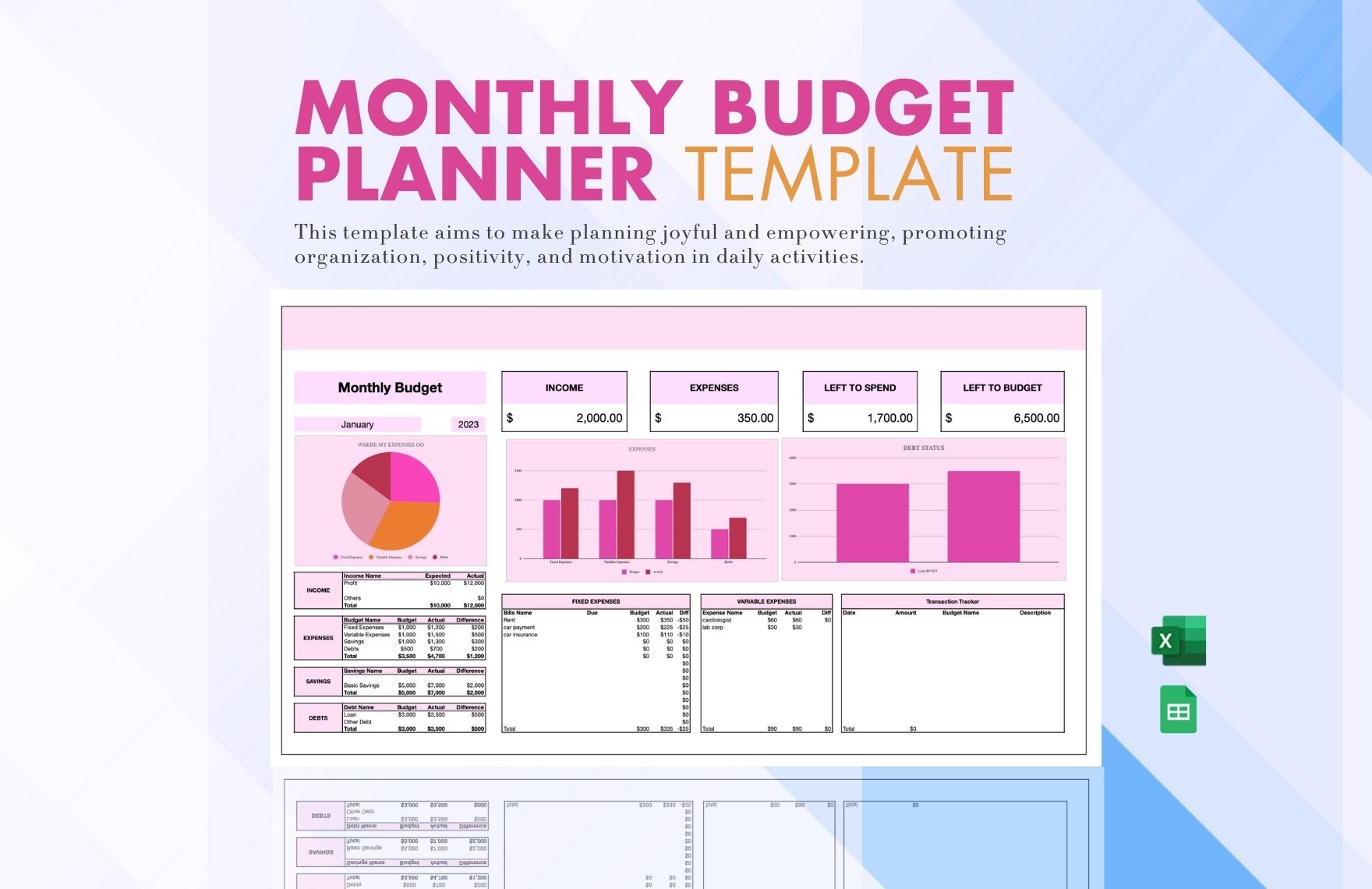
Comparing Budget Planner Templates
| Template Type | Description | Pros | Cons |
|---|---|---|---|
| 50/30/20 | Simple, easy to follow | Encourages saving and debt repayment | May not account for irregular expenses |
| Zero-Based | Detailed, customizable | Helps with expense tracking and budgeting | Can be time-consuming to set up |
| Envelope System | Visual, hands-on | Helps with discretionary spending | May not be suitable for online transactions |
Practical Considerations for Choosing a Template
When selecting a budget planner template, consider the following practical factors:
Ease of use: Choose a template that's user-friendly and easy to understand.
Customization: Opt for a template that allows you to tailor it to your specific financial needs.
Accessibility: Consider a template that's available on multiple platforms, such as desktop, mobile, or web.
Top Budget Planner Templates for Financial Freedom
Based on popularity and user reviews, here are some top budget planner templates:
Mint Budget Template: A user-friendly, digital template that offers budgeting, expense tracking, and bill reminders.
You Need a Budget (YNAB) Template: A zero-based budgeting template that's popular among individuals and couples.
Microsoft Excel Budget Template: A customizable, spreadsheet-based template suitable for those comfortable with Excel.
Real-World Example: Achieving Financial Stability with a Budget Planner Template
Meet Sarah, a 30-year-old freelance writer who's struggling to manage her finances. She downloads the Mint Budget Template and starts tracking her expenses. Within a few months, Sarah identifies areas where she can cut back and allocates more funds towards saving and debt repayment. With the help of her budget planner template, Sarah achieves financial stability and starts working towards her long-term goals.
Maximizing the Effectiveness of Your Budget Planner Template
To get the most out of your budget planner template:
Regularly review and update: Schedule regular check-ins to review your budget and make adjustments as needed.
Track expenses: Accurately record your expenses to ensure you're staying on track.
Avoid impulse purchases: Be mindful of your spending habits and avoid making impulsive purchases.
Common Mistakes to Avoid
When using a budget planner template, avoid the following common mistakes:
Not accounting for irregular expenses: Make sure to include irregular expenses, such as car maintenance or property taxes, in your budget.
Failing to prioritize needs over wants: Be honest about your spending habits and prioritize essential expenses over discretionary spending.
Frequently Asked Questions
Q: What is the best budget planner template for beginners?
The 50/30/20 budget template is a great starting point for beginners, as it's simple and easy to follow.
Q: Can I use a digital budget planner template on multiple devices?
Yes, many digital budget planner templates, such as Mint or YNAB, offer mobile and web versions, allowing you to access your budget on multiple devices.
Q: How often should I review and update my budget planner template?
Schedule regular check-ins, ideally every 1-2 months, to review your budget and make adjustments as needed.
Q: Can I customize a budget planner template to fit my specific financial needs?
Yes, many budget planner templates, such as Microsoft Excel, offer customization options to help you tailor the template to your specific financial needs.
Conclusion
Choosing the right budget planner template is a crucial step towards achieving financial stability and freedom. By understanding your budgeting needs, identifying your budgeting style, and selecting a suitable template, you'll be well on your way to managing your finances effectively. Remember to regularly review and update your budget, track expenses, and avoid common mistakes. With the right mindset and tools, you can achieve your long-term financial goals.
Related: Budget Planner Template PDF: What Actually Makes Sense?
Related: What to Know About Free Budget Planner Templates for Beginners
