
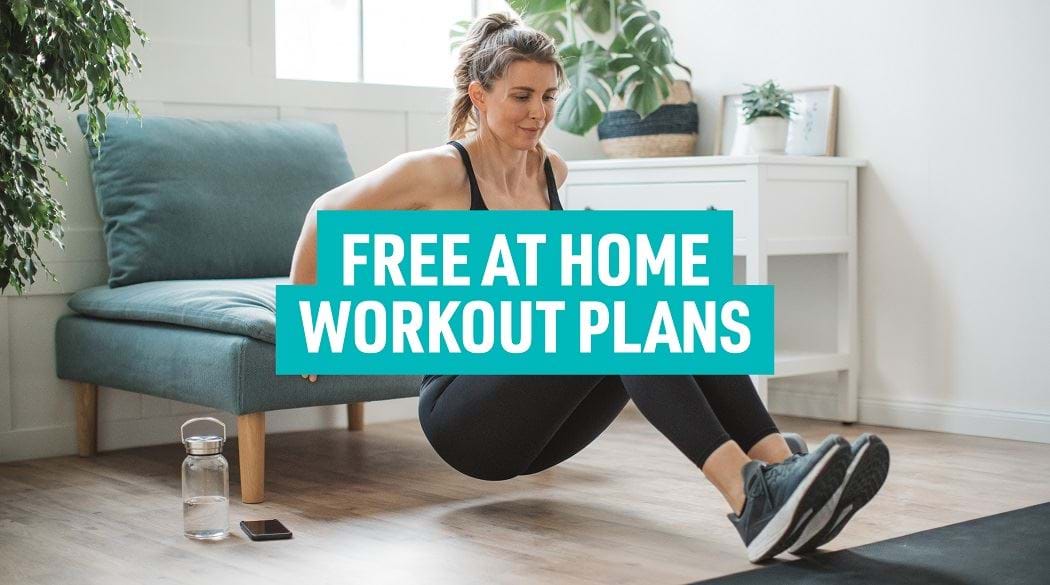
Best Free Home Workout Plans: What Actually Makes Sense?
As we navigate our busy lives, finding time for the gym can be a challenge. However, staying fit and healthy doesn't have to require a gym membership. With the rise of digital fitness, free home workout plans have become increasingly popular. But with so many options available, it's easy to feel overwhelmed. What actually makes sense when it comes to free home workout plans?
Getting Started with Home Workouts
Before diving into the world of home workouts, it's essential to define your goals. What do you want to achieve through exercise? Is it weight loss, muscle gain, or improved overall health? Understanding your objectives will help you choose a workout plan that suits your needs.
For beginners, it's crucial to start slow and gentle. You don't need to invest in expensive equipment or complicated routines. Bodyweight exercises like push-ups, squats, and lunges are excellent starting points. You can also explore online resources, such as YouTube fitness channels or mobile apps, that offer free workout tutorials and guidance.
Types of Free Home Workout Plans
Free home workout plans come in various shapes and sizes. Some popular options include:
Bodyweight exercises: Focus on exercises that use your own body weight as resistance, such as push-ups, squats, and lunges.
Yoga and Pilates: Low-impact routines that emphasize flexibility, balance, and core strength.
High-Intensity Interval Training (HIIT): Short bursts of intense exercise followed by brief periods of rest.
Dance-based workouts: Fun and energetic routines that combine dance moves with aerobic exercise.
Each type of workout plan has its benefits and drawbacks. For example, bodyweight exercises are convenient and require minimal equipment, but may not be as engaging for some users. On the other hand, HIIT workouts are time-efficient and effective for weight loss, but can be intense and may not be suitable for beginners.
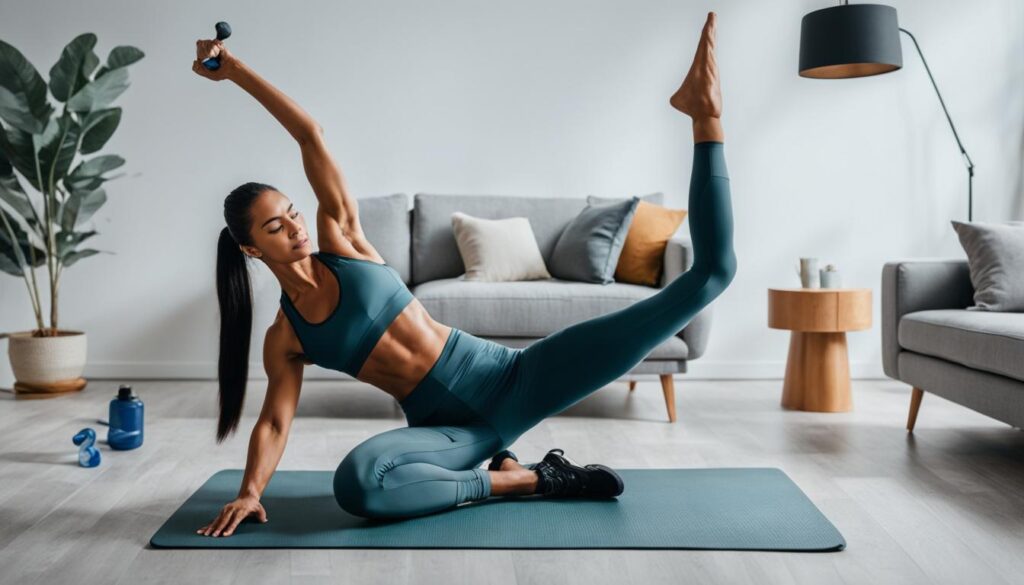
Comparison of Free Home Workout Plans
| <strong>Workout Type</strong> | <strong>Benefits</strong> | <strong>Drawbacks</strong> |
|---|---|---|
| Bodyweight exercises | Convenient, minimal equipment, improves strength and flexibility | May not be engaging for some users, limited calorie burn |
| Yoga and Pilates | Improves flexibility, balance, and core strength, low-impact | May not be as effective for weight loss, requires some equipment |
| HIIT workouts | Time-efficient, effective for weight loss, improves cardiovascular health | Can be intense, may not be suitable for beginners |
| Dance-based workouts | Fun and energetic, improves cardiovascular health, can be modified for different fitness levels | May not be as effective for strength training, requires some equipment |
Creating a Home Workout Routine
When creating a home workout routine, it's essential to consider your schedule, fitness level, and goals. Here are some tips to get you started:
Start with short sessions: Begin with 20-30 minute workouts and gradually increase the duration as you become more comfortable.
Choose exercises that work multiple muscle groups: Focus on exercises that target multiple muscle groups at once, such as squats, lunges, and deadlifts.
Incorporate rest days: Allow your body time to recover and rebuild by incorporating rest days into your routine.
Track your progress: Use a fitness tracker, journal, or mobile app to monitor your progress and stay motivated.
Staying Motivated with Home Workouts
Staying motivated is crucial to achieving your fitness goals. Here are some tips to help you stay on track:
Find a workout buddy: Exercise with a friend or family member to make workouts more enjoyable and help you stay accountable.
Mix it up: Vary your workout routine to avoid boredom and prevent plateaus.
Reward yourself: Treat yourself to something special after reaching a fitness milestone.
Focus on how you feel: Remember that exercise is about more than just physical appearance – focus on how it makes you feel.
"The key to successful home workouts is consistency and patience. Don't get discouraged if you miss a day or two – simply get back on track and keep moving forward." – Fitness Expert
Common Mistakes to Avoid
When starting a home workout routine, it's easy to fall into common pitfalls. Here are some mistakes to avoid:
Insufficient warm-up: Failing to warm up properly can lead to injury and decreased performance.
Poor form: Using poor form can lead to injury and decreased effectiveness.
Inconsistent routine: Failing to stick to a consistent routine can lead to frustration and decreased motivation.
Unrealistic expectations: Having unrealistic expectations can lead to disappointment and decreased motivation.
Frequently Asked Questions
Q: Do I need any equipment for home workouts?
No, you don't need any equipment for home workouts. Bodyweight exercises, yoga, and Pilates can be done without any equipment.
Q: How often should I work out at home?
It's recommended to work out at least 3-4 times per week, with at least one day of rest in between.
Q: Can I lose weight with home workouts?
Yes, you can lose weight with home workouts. Focus on creating a calorie deficit by combining regular exercise with a healthy diet.
Q: Are home workouts suitable for beginners?
Yes, home workouts are suitable for beginners. Start with short sessions and gentle exercises, and gradually increase the intensity and duration as you become more comfortable.
Final Tips and Encouragement
Finding the right free home workout plan can be overwhelming, but with a little patience and persistence, you can achieve your fitness goals. Remember to start slow, be consistent, and focus on progress, not perfection. Don't be afraid to try new things and mix up your routine to avoid boredom and prevent plateaus.
By following these tips and staying committed to your fitness journey, you can enjoy the many benefits of home workouts, including increased energy, improved health, and a stronger, more confident you. So why wait? Get started today and discover the power of free home workout plans!
Related: What to Know About Dog Health: Essential Pet Care Tips
Related: Pets Best Health Tips
