
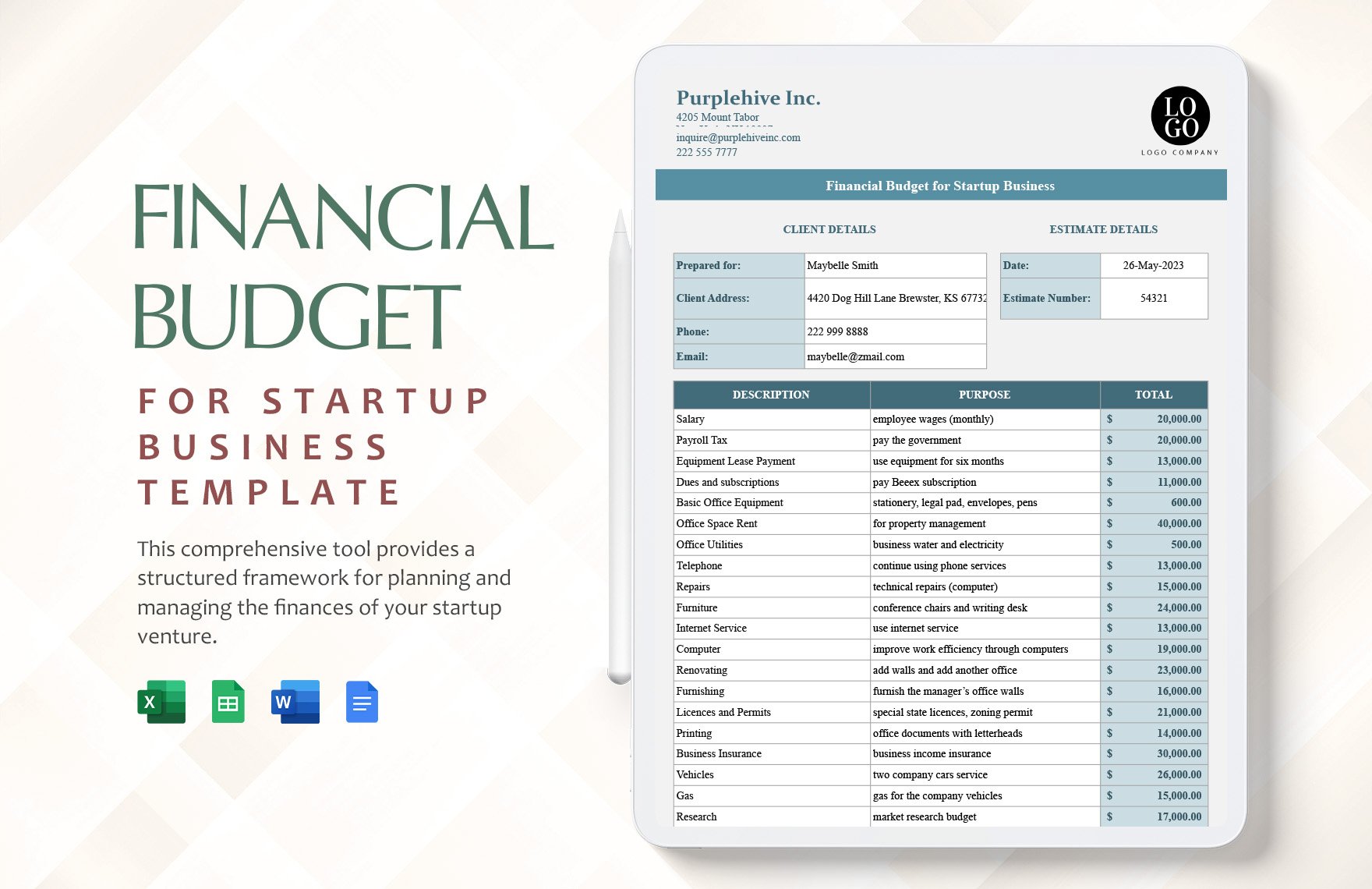
Budget Planner Template for small business: What Actually Makes Sense?
As a small business owner, managing your finances effectively is crucial to making informed decisions and driving growth. A budget planner template can be a valuable tool in achieving this goal. But with so many options available, what actually makes sense for your business?
Understanding Your Financial Needs
Before we dive into the world of budget planner templates, it's essential to understand your financial needs. What are your business goals, and what financial resources do you need to achieve them? Take a moment to reflect on your business's current financial situation:
What are your revenue streams?
What are your fixed and variable expenses?
What are your financial goals, both short-term and long-term?
By understanding your financial needs, you can create a budget planner template that is tailored to your business's unique requirements.
Key Components of a Budget Planner Template
A good budget planner template should have the following key components:
Income tracker: A section to track your business's income from various revenue streams.
Fixed expense tracker: A section to track your business's fixed expenses, such as rent, utilities, and salaries.
Variable expense tracker: A section to track your business's variable expenses, such as marketing, travel, and supplies.
Budgeting categories: A list of budgeting categories, such as sales, marketing, and operations, to help you allocate your resources effectively.
Financial goal tracker: A section to track your progress towards your financial goals.
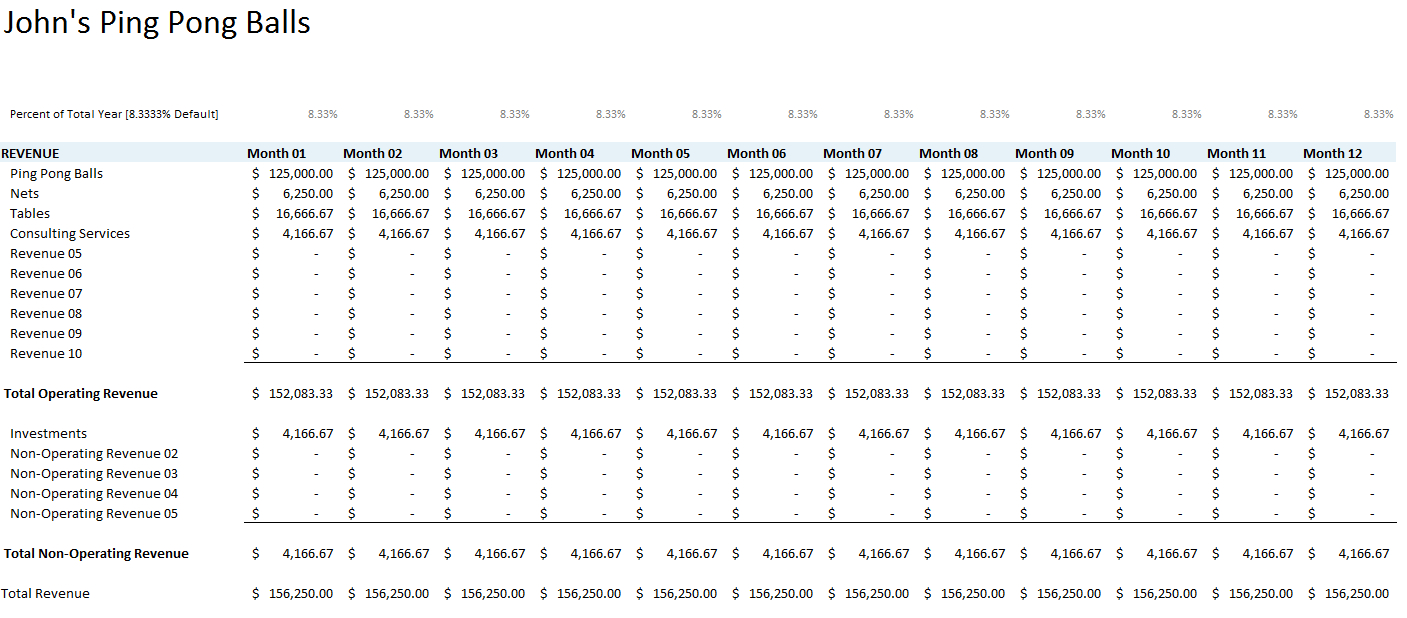
Types of Budget Planner Templates
There are several types of budget planner templates available, each with its own strengths and weaknesses. Here are a few options:
Simple budget template: A basic template that tracks income and expenses.
Detailed budget template: A comprehensive template that includes budgeting categories, financial goal tracking, and cash flow projections.
Cash-based budget template: A template that focuses on cash inflows and outflows.
| <strong>Template Type</strong> | <strong>Description</strong> | <strong>Best for</strong> |
|---|---|---|
| Simple budget template | Basic income and expense tracking | Small businesses with simple financial needs |
| Detailed budget template | Comprehensive budgeting and financial goal tracking | Small businesses with complex financial needs |
| Cash-based budget template | Cash inflow and outflow tracking | Small businesses with cash flow management challenges |
Creating Your Own Budget Planner Template
While there are many pre-made budget planner templates available, creating your own template can be a great way to tailor your financial planning to your business's unique needs. Here are the steps to follow:
- Identify your financial needs: Determine what financial information you need to track and what budgeting categories are relevant to your business.
- Choose a template format: Decide on a template format that works best for you, such as a spreadsheet, document, or online tool.
- Set up your template: Create a template with sections for income tracking, fixed expense tracking, variable expense tracking, and financial goal tracking.
- Customize your template: Add or remove sections as needed to tailor your template to your business's specific needs.
Tips for Using a Budget Planner Template
Here are a few tips for using a budget planner template effectively:
Regularly update your template: Make sure to update your template regularly to reflect changes in your business's financial situation.
Use budgeting categories: Use budgeting categories to help you allocate your resources effectively and make informed financial decisions.
Track your progress: Use your template to track your progress towards your financial goals and make adjustments as needed.
Common Mistakes to Avoid
Here are a few common mistakes to avoid when using a budget planner template:
Not updating your template regularly: Failing to update your template regularly can lead to inaccurate financial information and poor decision-making.
Not using budgeting categories: Failing to use budgeting categories can make it difficult to allocate resources effectively and make informed financial decisions.
Not tracking progress: Failing to track progress towards financial goals can make it difficult to make adjustments and achieve financial success.
Case Study: How a Budget Planner Template Helped a Small Business
Meet Jane, the owner of a small retail store. Jane was struggling to manage her finances and make informed decisions about her business. She decided to create a budget planner template to help her track her income and expenses and make financial projections. With her template, Jane was able to:
Track her income and expenses: Jane was able to track her income and expenses and identify areas where she could cut costs.
Make financial projections: Jane was able to make financial projections and plan for future growth.
Achieve financial success: Jane was able to achieve financial success and make informed decisions about her business.
Frequently Asked Questions
Q: What is a budget planner template?
A budget planner template is a tool used to track income and expenses and make financial projections.
Q: Why do I need a budget planner template?
A budget planner template can help you manage your finances effectively and make informed decisions about your business.
Q: How do I create a budget planner template?
You can create a budget planner template by identifying your financial needs, choosing a template format, setting up your template, and customizing it to your business's specific needs.
Q: What are some common mistakes to avoid when using a budget planner template?
Common mistakes to avoid include not updating your template regularly, not using budgeting categories, and not tracking progress towards financial goals.
