
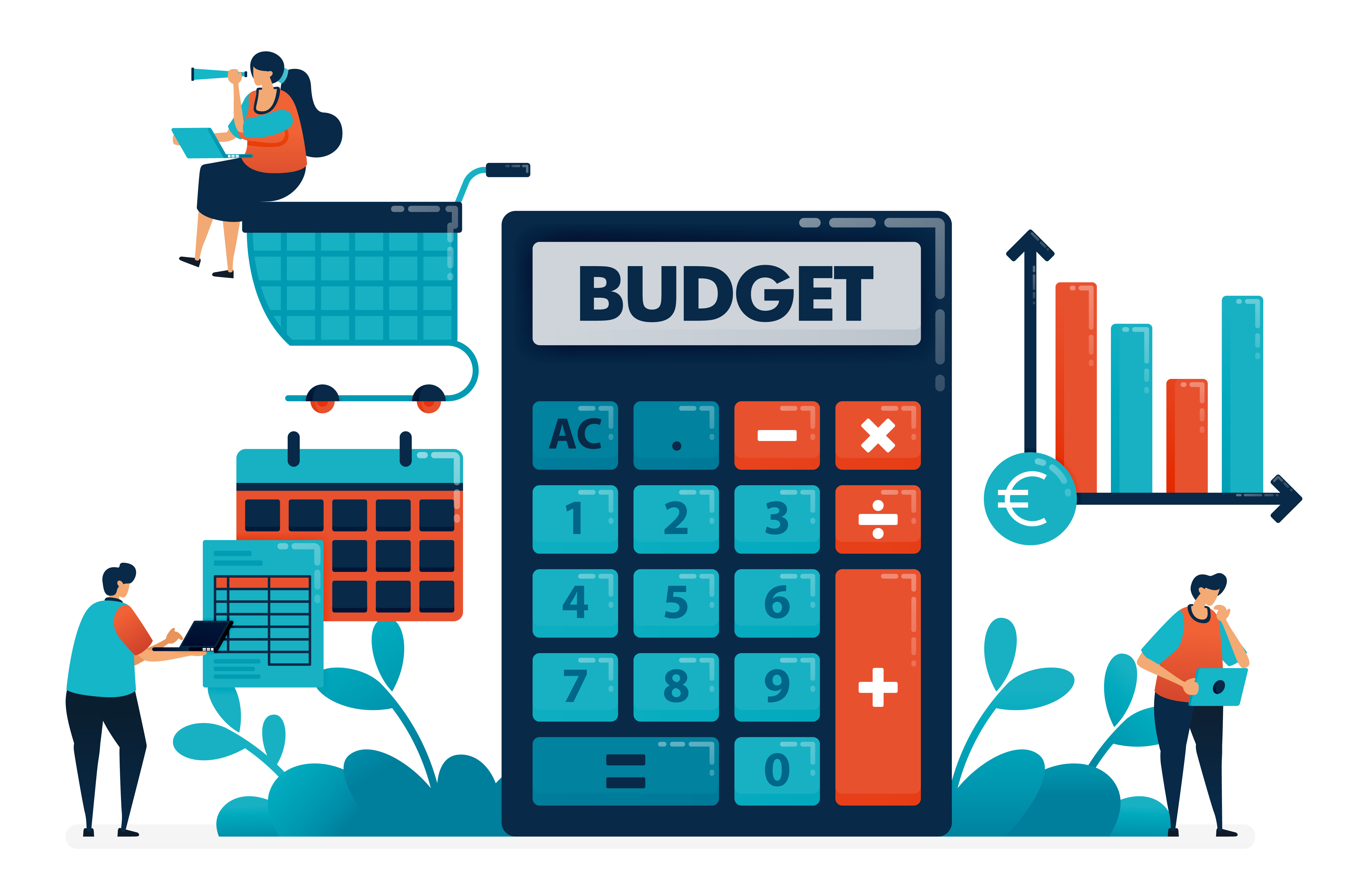
The Importance of Budget Planning
Are you tired of living paycheck to paycheck? Do you dream of financial stability and peace of mind? Budget planning is the key to achieving your financial goals. By creating a budget, you can track your income and expenses, identify areas where you can cut back, and make conscious financial decisions. In this article, we'll explore three essential budget planning tips to help you manage your finances effectively and achieve financial stability.
Understanding Your Financial Situation
Before you can create a budget, you need to understand your financial situation. This means tracking your income and expenses to see where your money is going. For one month, write down every single transaction you make, including small purchases like coffee or snacks. This will help you identify areas where you can cut back and make adjustments.
Here are some common expenses to consider:
Housing: rent/mortgage, utilities, maintenance
Transportation: car loan/gas/insurance, public transportation
Food: groceries, dining out
Insurance: health, life, disability
Debt: credit cards, loans
Entertainment: hobbies, movies, concerts
Categorizing Your Expenses
Categorizing your expenses can help you see where your money is going and identify areas where you can cut back. Here are some common categories:
Essential expenses: housing, utilities, food, transportation, insurance
Non-essential expenses: entertainment, hobbies, travel
Debt repayment: credit cards, loans
Savings: emergency fund, retirement
Budget Planning Tip 1: Prioritize Needs Over Wants
When creating a budget, it's essential to prioritize your needs over your wants. This means paying for essential expenses like housing, utilities, and food before spending money on non-essential items like entertainment or hobbies.
Here's a simple way to prioritize your expenses:
- Pay for essential expenses
- Pay off high-interest debt
- Build an emergency fund
- Save for retirement
- Spend on non-essential items
The 50/30/20 Rule
The 50/30/20 rule is a simple way to allocate your income:
50% for essential expenses
30% for non-essential expenses
20% for savings and debt repayment
This rule can help you prioritize your expenses and ensure you're saving enough money for the future.
Budget Planning Tip 2: Use the Envelope System
The envelope system is a simple way to manage your expenses and stick to your budget. Here's how it works:
- Create an envelope for each expense category (e.g., housing, transportation, food)
- Fill each envelope with the allocated amount of cash
- Use only the cash in each envelope to pay for expenses
This system can help you avoid overspending and stay on track with your budget.
Benefits of the Envelope System
The envelope system has several benefits:
Helps you stick to your budget
Avoids overspending
Encourages cash flow management
Reduces financial stress
Budget Planning Tip 3: Automate Your Savings
Automating your savings is a great way to ensure you're saving enough money for the future. Here are some ways to automate your savings:
Set up automatic transfers from your checking account to your savings account
Use a savings app that rounds up your purchases to the nearest dollar
Take advantage of employer-matched retirement accounts
Benefits of Automating Your Savings
Automating your savings has several benefits:
Helps you save consistently
Reduces financial stress
Encourages long-term savings
Takes advantage of compound interest
Comparison of Budgeting Methods
| Budgeting Method | Description | Benefits |
|---|---|---|
| 50/30/20 Rule | Allocate 50% for essential expenses, 30% for non-essential expenses, and 20% for savings and debt repayment | Simple, easy to follow, encourages savings |
| Envelope System | Use cash envelopes to manage expenses and stick to budget | Helps avoid overspending, encourages cash flow management |
| Automated Savings | Automate savings through automatic transfers or savings apps | Helps save consistently, reduces financial stress |
"The key to successful budget planning is to prioritize your needs over your wants and make conscious financial decisions. By following these three budget planning tips, you can achieve financial stability and peace of mind."
Common Budgeting Mistakes to Avoid
When creating a budget, it's essential to avoid common mistakes that can derail your financial plans. Here are some mistakes to avoid:
Not tracking expenses accurately
Not prioritizing needs over wants
Not saving enough for emergencies
Not reviewing and adjusting the budget regularly
Budgeting for the Future
Budgeting is not a one-time task; it's an ongoing process that requires regular review and adjustment. Here are some tips for budgeting for the future:
Review and adjust your budget regularly
Plan for long-term expenses (e.g., retirement, college fund)
Consider using a budgeting app or spreadsheet
Seek professional advice if needed
FAQ
Q: What is the best way to create a budget?
The best way to create a budget is to track your income and expenses, prioritize your needs over your wants, and make conscious financial decisions.
Q: How much should I save for emergencies?
It's recommended to save 3-6 months' worth of living expenses for emergencies.
Q: What is the 50/30/20 rule?
The 50/30/20 rule is a simple way to allocate your income: 50% for essential expenses, 30% for non-essential expenses, and 20% for savings and debt repayment.
Q: How often should I review and adjust my budget?
It's recommended to review and adjust your budget regularly, ideally every 3-6 months.
Conclusion
Budget planning is a crucial step in achieving financial stability and peace of mind. By following these three budget planning tips – prioritizing needs over wants, using the envelope system, and automating your savings – you can manage your finances effectively and make the most of your money. Remember to review and adjust your budget regularly, plan for long-term expenses, and seek professional advice if needed. With discipline and patience, you can achieve financial stability and achieve your long-term financial goals.
Related: A Practical Guide to Martin's Money Tips Budget Planner
