
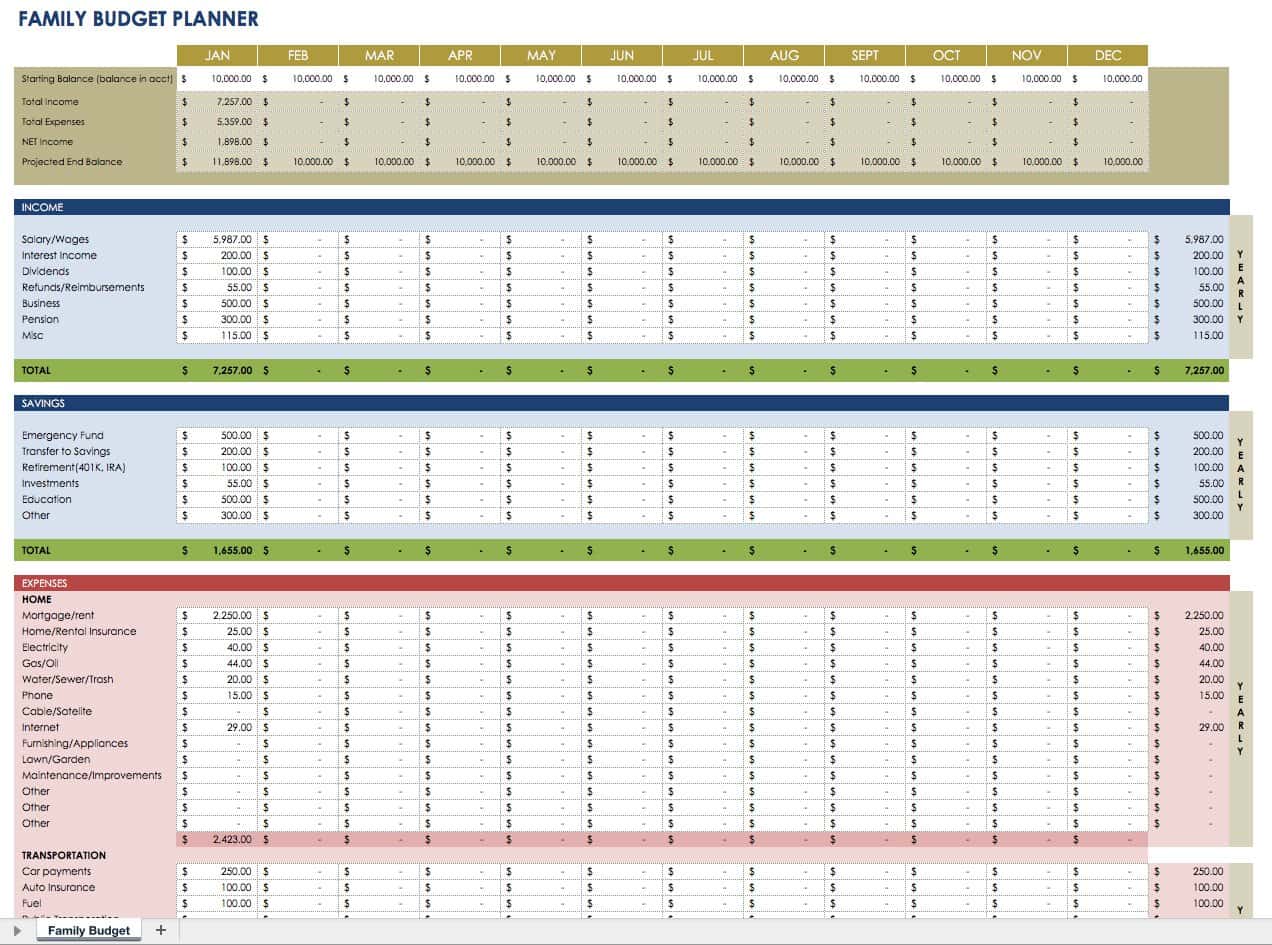
As we navigate the complexities of modern life, managing our finances effectively has become more crucial than ever. With expenses piling up and savings dwindling, it's easy to feel overwhelmed. However, with a solid budget plan in place, you can take charge of your financial health and make informed decisions about your money. In this article, we'll explore five essential budget planning tips to help you achieve financial stability and peace of mind.
Understanding Your Financial Landscape
Before you can create a budget that works for you, it's essential to understand your financial landscape. This means taking a close look at your income, expenses, debts, and savings. Start by gathering all your financial documents, including pay stubs, bank statements, credit card bills, and loan documents. Then, categorize your expenses into needs (housing, food, utilities), wants (entertainment, hobbies), and debt payments.Setting Financial Goals
Setting clear financial goals is critical to creating a budget that aligns with your priorities. What do you want to achieve through your budget? Are you saving for a down payment on a house, paying off debt, or building an emergency fund? Write down your short-term and long-term goals, and make sure they're specific, measurable, achievable, relevant, and time-bound (SMART). This will help you stay focused and motivated as you work through the budgeting process.5 Budget Planning Tips
Now that you have a clear understanding of your financial landscape and goals, it's time to dive into the nitty-gritty of budget planning. Here are five essential tips to get you started:Tip 1: Track Your Expenses
Tracking your expenses is a crucial step in creating a realistic budget. For one month, write down every single transaction you make, including small purchases like coffee or snacks. This will help you identify areas where you can cut back and allocate funds more efficiently. You can use a budgeting app, spreadsheet, or even just a notebook to track your expenses.Tip 2: Prioritize Needs Over Wants
When it comes to budgeting, it's essential to prioritize your needs over your wants. Be honest with yourself – do you really need that new TV or can you live with your current one? Make sure to allocate funds for essential expenses like housing, food, and utilities first, and then see what's left over for discretionary spending.Tip 3: Use the 50/30/20 Rule
The 50/30/20 rule is a simple and effective way to allocate your income. Allocate 50% of your income towards essential expenses, 30% towards discretionary spending, and 20% towards saving and debt repayment. This will help you strike a balance between enjoying your life now and building a secure financial future.Tip 4: Automate Your Savings
Automating your savings is a great way to ensure that you're setting aside money for the future. Set up automatic transfers from your checking account to your savings or investment accounts. This way, you'll make saving easier and less prone to being neglected.Tip 5: Review and Adjust Regularly
Budgeting is not a one-time task; it's an ongoing process. Regularly review your budget to ensure that you're on track to meet your financial goals. Adjust your budget as needed to reflect changes in your income, expenses, or goals.Budgeting Methods Compared
There are several budgeting methods out there, each with its pros and cons. Here's a brief comparison:| Method | Description | Pros | Cons |
|---|---|---|---|
| Zero-Based Budgeting | Allocate every dollar towards a specific expense or savings goal | Encourages thorough planning, helps prioritize expenses | Can be time-consuming, may not account for unexpected expenses |
| Envelope System | Divide expenses into categories and allocate cash for each | Visual, helps control spending | Can be inflexible, may not work for online transactions |
| 50/30/20 Rule | Allocate income into essential expenses, discretionary spending, and savings | Simple, easy to follow | May not work for everyone, doesn't account for debt repayment |
Common Budgeting Mistakes to Avoid
When it comes to budgeting, there are several common mistakes to avoid. These include: Not tracking expenses accurately
Not prioritizing needs over wants
Not saving for emergencies
Not reviewing and adjusting the budget regularly
FAQs
Here are some frequently asked questions about budget planning:How often should I review my budget?
It's a good idea to review your budget regularly, ideally every few months, to ensure that you're on track to meet your financial goals.
What if I'm struggling to pay off debt?
Consider consolidating debt into a lower-interest loan or credit card, and make a plan to pay off high-interest debt first.
How much should I save for emergencies?
Aim to save 3-6 months' worth of living expenses in an easily accessible savings account.
Can I use a budgeting app to track my expenses?
Yes, there are many budgeting apps available that can help you track your expenses and stay on top of your finances.
