
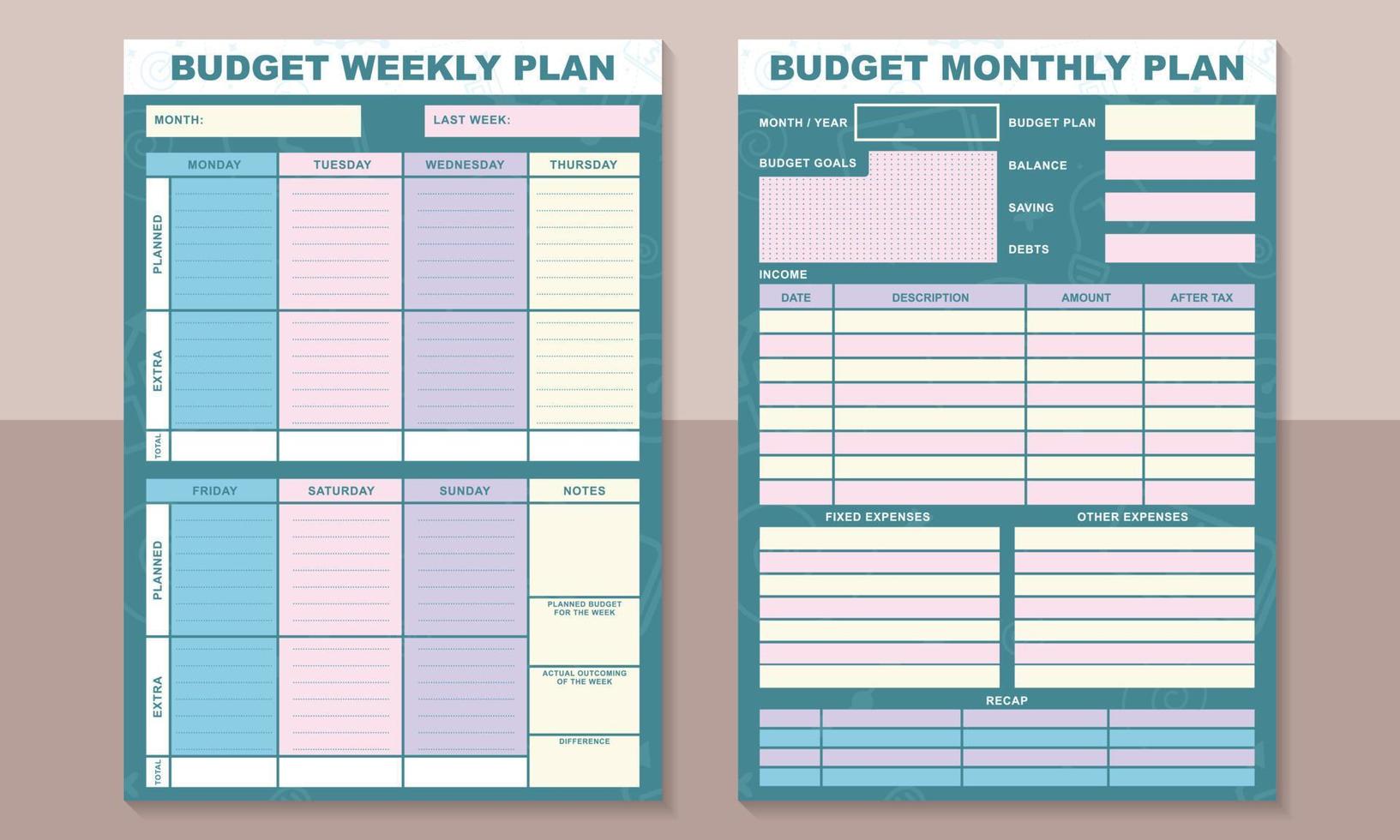
The Unavoidable Truth About Budget Planning
As the month begins, many of us share a common goal: to manage our finances effectively, prioritize our needs over our wants, and make progress toward long-term financial stability. Yet, it's easy to get caught up in daily expenses, forget to track our spending, and end up with a financial mess. budget planning isn't just about cutting back on lattes or canceling subscription services; it's about making conscious financial decisions that align with your priorities.
Taking Control of Your Monthly Budget
The first step to effective budget planning is understanding where your money is going. For one month, write down every single transaction, no matter how small, in a notebook or use an app like Mint or Personal Capital to track your spending. This exercise might be eye-opening, revealing areas where you can cut back. Consider categorizing your expenses into needs (housing, food, utilities), wants (entertainment, hobbies), and debt repayment.
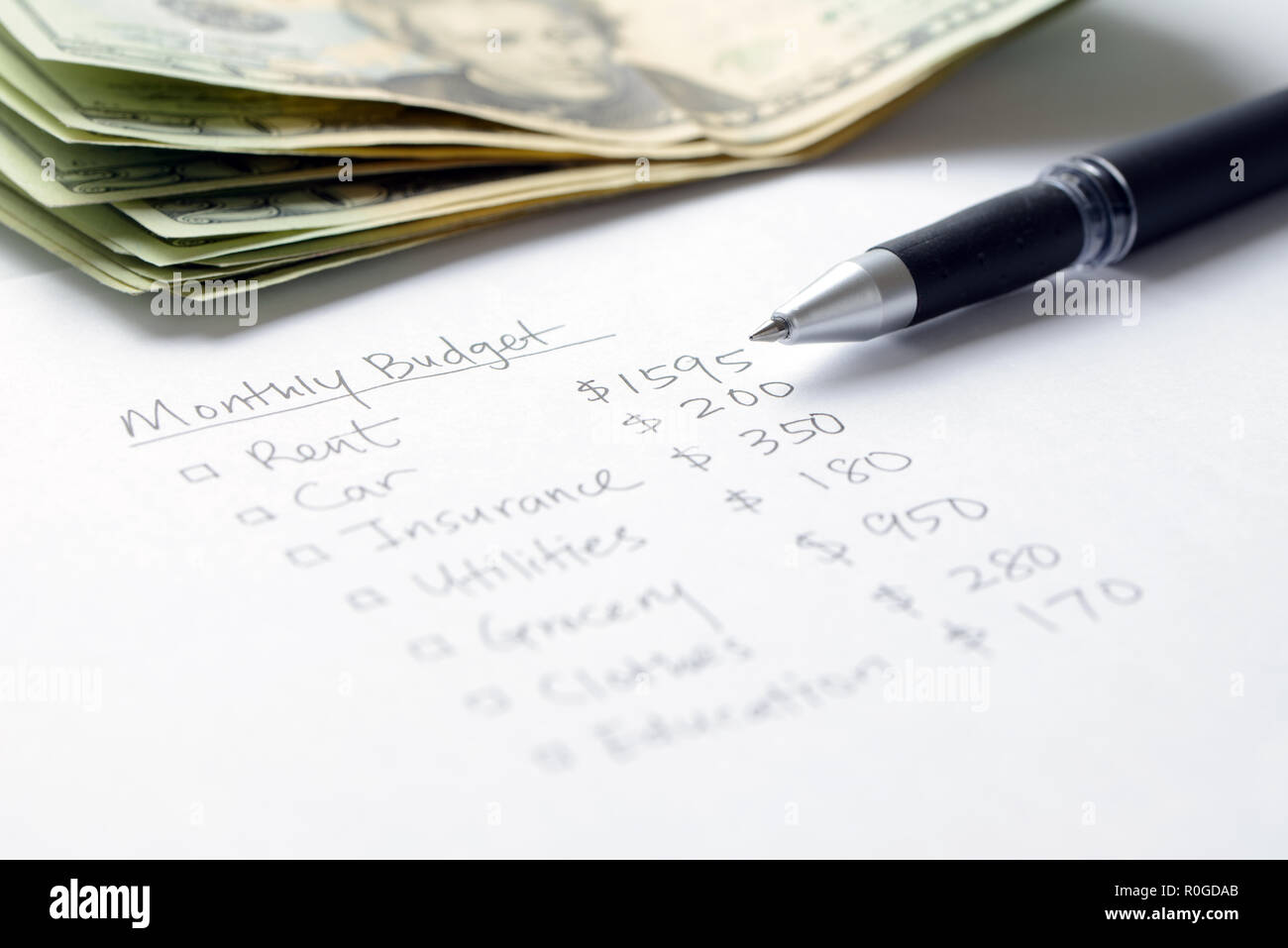
A Practical Approach to Categorizing Expenses
| Category | Description | Examples |
|---|---|---|
| Needs | Essential expenses | Rent/mortgage, groceries, utilities, transportation |
| Wants | Discretionary spending | Dining out, movies, concerts, travel |
| Debt Repayment | Paying off debts | Credit cards, student loans, personal loans |
Setting Realistic Financial Goals
Once you have a clear picture of your spending habits, set specific, achievable financial goals. Do you want to save for a down payment on a house, pay off high-interest debt, or build an emergency fund? Make sure your goals are SMART: Specific, Measurable, Achievable, Relevant, and Time-bound. For instance, instead of saying "I want to save more," say "I will save $1,000 for a down payment on a house within the next 6 months."

Prioritizing Needs Over Wants
To make your budget work, prioritize your needs over your wants. This doesn't mean you have to eliminate all discretionary spending, but be mindful of your spending habits. Consider implementing a 50/30/20 rule: 50% of your income goes toward needs, 30% toward wants, and 20% toward saving and debt repayment.
"The key to successful budget planning is not about depriving yourself of things you enjoy, but about making conscious financial decisions that align with your priorities." - Rachel, Financial Advisor
Strategies for Sticking to Your Budget
Sticking to a budget requires discipline and flexibility. Here are a few strategies to help you stay on track:
- Automate your savings: Set up automatic transfers from your checking account to your savings or investment accounts.
- Use the envelope system: Divide your expenses into categories, and place the corresponding budgeted amount into labeled envelopes.
- Review and adjust: Regularly review your budget to ensure you're on track to meet your financial goals. Adjust as needed to reflect changes in income, expenses, or priorities.
Common Budgeting Mistakes to Avoid
When creating and sticking to a budget, it's easy to fall into common pitfalls. Avoid these mistakes:
- Not accounting for irregular expenses: Make sure to budget for infrequent expenses, such as car maintenance or property taxes.
- Underestimating expenses: Be realistic about your spending habits, and don't underestimate expenses.
- Not prioritizing needs over wants: Make sure to prioritize essential expenses over discretionary spending.
Frequently Asked Questions
Q: How often should I review my budget?
Review your budget at least once a month to ensure you're on track to meet your financial goals.
Q: What if I have irregular income?
If you have an irregular income, consider using a budgeting app that can help you track your income and expenses, or create a budget based on your average monthly income.
Q: Can I still use credit cards if I'm on a budget?
Yes, but use credit cards responsibly. Pay off your balance in full each month, or make sure you're not overspending.
Q: How much should I save for emergencies?
Aim to save 3-6 months' worth of living expenses in an easily accessible savings account.
Taking Action Toward Financial Stability
Effective budget planning is a journey, not a destination. It requires patience, discipline, and a willingness to learn and adapt. By following these monthly tips, you'll be better equipped to manage your finances, prioritize your needs over your wants, and achieve long-term financial stability. Take control of your financial future today, and make conscious financial decisions that align with your priorities.
Related: What to Know About Side Hustle UK Ideas to Boost Your Income
