

As a small business owner, managing your finances effectively is crucial to success. A well-planned budget helps you make informed decisions, prioritize spending, and achieve your goals. However, creating a budget from scratch can be daunting. That's where budgeting templates come in – designed to simplify the process and provide a clear financial roadmap. But with numerous templates available, what actually makes sense for your small business?
Understanding Your Budgeting Needs
Before selecting a budgeting template, it's essential to assess your business's unique needs. Consider the following factors:
Business size and complexity: Are you a solo entrepreneur or do you have a team?
Industry and revenue streams: Do you have a single or multiple sources of income?
Financial goals: Are you looking to reduce costs, increase revenue, or expand your business?
Accounting and financial management: Are you using accounting software or managing finances manually?
Popular Budgeting Templates for Small Businesses
Several budgeting templates are widely used among small businesses. Here are a few popular options:
Zero-Based Budgeting Template: This template starts from a "zero base," meaning every expense must be justified and accounted for. It's ideal for businesses with a simple financial structure.
Incremental Budgeting Template: This template uses historical data to project future expenses, making it suitable for businesses with a stable financial history.
Activity-Based Budgeting Template: This template allocates costs to specific business activities, helping you identify areas for improvement.

Key Components of an Effective Budgeting Template
When choosing a budgeting template, ensure it includes the following essential components:
Income projections: Accurate revenue forecasts
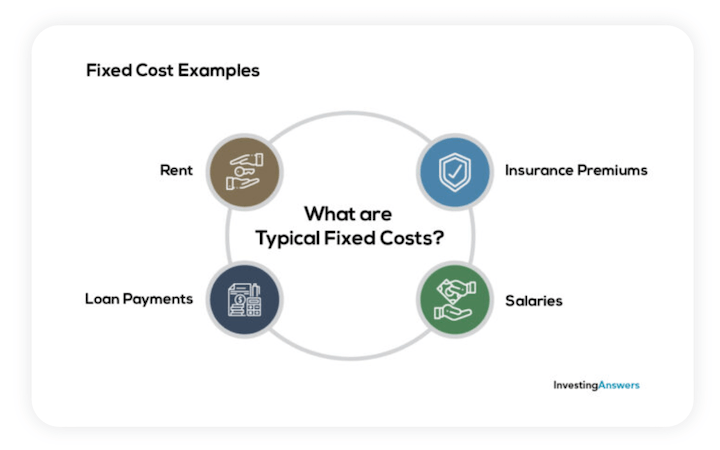
Fixed and variable expenses: Clear categorization of regular and irregular costs
Cash flow management: Monitoring of incoming and outgoing funds
Financial goals and objectives: Alignment with your business strategy
How to Choose the Right Budgeting Template
Selecting the right budgeting template depends on your business's specific needs and financial situation. Consider the following:
Assess your financial data: Review your financial statements, invoices, and receipts to understand your spending patterns.
Identify your budgeting goals: Determine what you want to achieve with your budget, such as reducing costs or increasing revenue.
Evaluate template features: Choose a template that aligns with your business needs and is easy to use.
Practical Example: Using a Budgeting Template
Let's say you're a freelance writer with a simple business structure. You can use a basic budgeting template to track your income and expenses.
| Category | Estimated Amount |
|---|---|
| Income | $4,000/month |
| Business registration fees | $100/month |
| Marketing expenses | $500/month |
| Equipment and software | $200/month |
This template helps you prioritize your spending, allocate funds, and make informed decisions about your business.
Common Budgeting Mistakes to Avoid
When creating a budget, avoid the following common mistakes:
Underestimating expenses: Failing to account for all costs, leading to financial shortfalls.
Overestimating income: Projecting unrealistic revenue, resulting in financial strain.
Not reviewing and adjusting: Failing to regularly review and adjust your budget, leading to stagnation.
Comparison of Budgeting Tools
Several budgeting tools are available, each with its strengths and weaknesses. Here's a comparison of popular options:
| Tool | Features | Cost |
|---|---|---|
| <strong>Mint</strong> | Budget tracking, bill reminders, credit score monitoring | Free |
| <strong>QuickBooks</strong> | Comprehensive accounting and budgeting features | $10-$30/month |
| <strong>Xero</strong> | Cloud-based accounting and budgeting software | $9-$30/month |
Expert Insights: Best Practices for Budgeting
Regularly review and adjust your budget: Stay on top of your finances and make informed decisions.
Prioritize needs over wants: Allocate funds wisely, focusing on essential expenses.
Use historical data: Inform your budget with past financial performance.
FAQs
Q: What is the best budgeting template for a small business? The best template depends on your business's unique needs and financial situation. Consider a zero-based, incremental, or activity-based budgeting template.
Q: How often should I review and adjust my budget?
Regularly review your budget, ideally monthly or quarterly, to ensure you're on track to meet your financial goals.
- Q: Can I use a budgeting template for personal finance?
While budgeting templates can be adapted for personal finance, they're specifically designed for business use. Consider using a personal finance budgeting app or template.
Conclusion
Effective budgeting is crucial for small business success. By understanding your budgeting needs, choosing the right template, and avoiding common mistakes, you can create a financial roadmap that drives growth and profitability. Remember to regularly review and adjust your budget, prioritize needs over wants, and use historical data to inform your financial decisions.
By following these practical tips and expert insights, you'll be well on your way to creating a budgeting template that makes sense for your small business.
Related: What to Know About Best Small Business Ideas in 2024
Related: Content Calendar Template Free: What Actually Makes Sense?
