
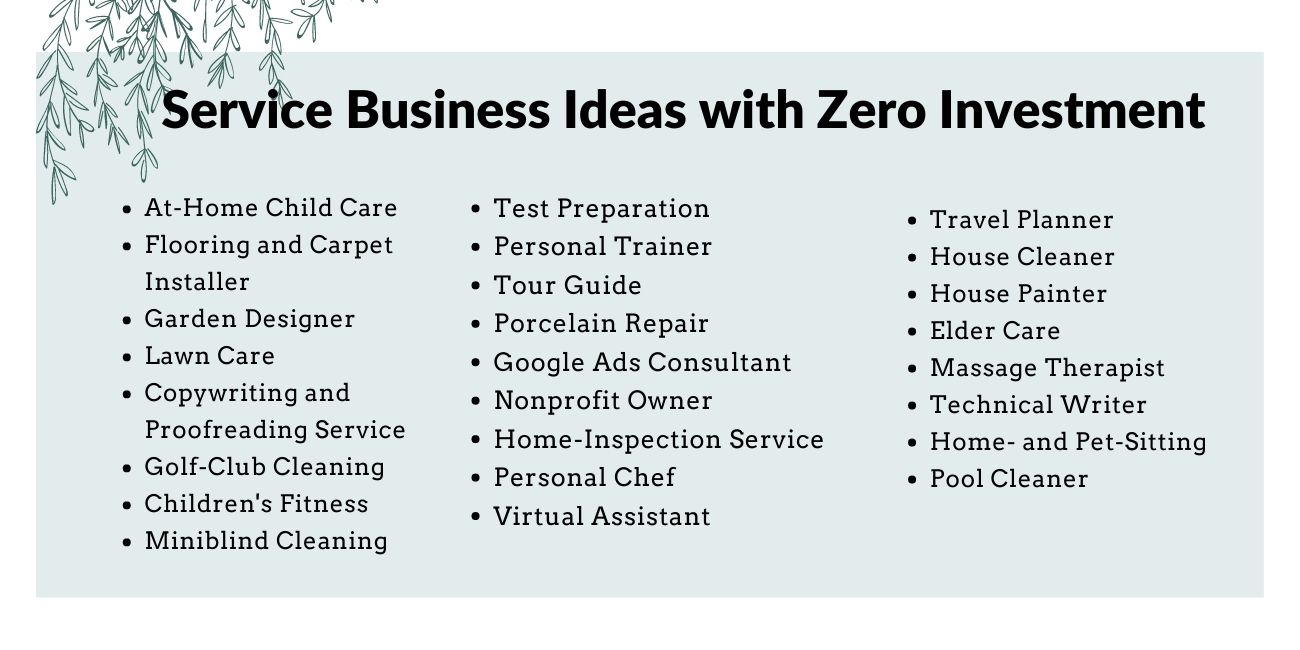
Starting a business doesn't have to drain your bank account. With a little creativity and resourcefulness, you can turn your entrepreneurial dreams into reality without breaking the bank. In this article, we'll explore five useful things to know about starting a business on a budget.
Finding the Right Business Idea
The first step to starting a business on a budget is finding the right idea. Not all business ideas are created equal, and some require more upfront costs than others. When searching for a business idea, consider the following factors:
Low startup costs: Look for business ideas that don't require a lot of initial investment.
Scalability: Choose a business idea that can grow and expand with minimal additional costs.
Flexibility: Consider business ideas that can be run from home or online, reducing the need for expensive office space.
Some popular business ideas that fit these criteria include:
Freelance writing or design
Virtual assistance
Online tutoring or coaching
Affiliate marketing
Selling products online through platforms like eBay or Amazon
Bootstrapping Your Business
Bootstrapping refers to the process of starting and growing a business using only personal savings and revenue from early customers. This approach requires careful budgeting and a willingness to take calculated risks. Here are some tips for bootstrapping your business:
Start small: Begin with a minimal viable product (MVP) and iterate based on customer feedback.
Be frugal: Cut costs wherever possible, and prioritize essential expenses.
Focus on revenue: Concentrate on generating revenue as quickly as possible to fuel growth.
One of the biggest advantages of bootstrapping is that it allows you to maintain control and equity in your business. However, it can also be challenging to manage cash flow and balance growth with profitability.
Leveraging Free or Low-Cost Resources
When starting a business on a budget, it's essential to leverage free or low-cost resources to save money. Here are some options to consider:
online business communities: Join online forums or social media groups to connect with other entrepreneurs and get advice.
Free software: Take advantage of free software tools like Google Workspace or Canva to manage your business.
Local libraries: Many libraries offer free or low-cost resources, including meeting rooms, Wi-Fi, and business databases.
By leveraging these resources, you can save money and focus on growing your business.
Managing Cash Flow
Cash flow is critical to any business, and it's especially important when starting a business on a budget. Here are some tips for managing cash flow:
Create a budget: Track your income and expenses to understand your cash flow.
Prioritize essential expenses: Focus on paying essential expenses like rent, utilities, and salaries.
Build an emergency fund: Set aside money for unexpected expenses or revenue shortfalls.
Managing cash flow requires careful planning and discipline, but it's essential to keeping your business afloat.
Overcoming Common Challenges
Starting a business on a budget can be challenging, but it's not impossible. Here are some common challenges you may face and tips for overcoming them:
Limited resources: Focus on prioritizing essential expenses and finding free or low-cost resources.
Lack of experience: Seek advice from mentors or online business communities.
Competition: Differentiate your business by offering unique products or services.
By anticipating and preparing for these challenges, you can reduce stress and increase your chances of success.

Comparison of Business Ideas
| Business Idea | Startup Costs | Scalability | Flexibility |
|---|---|---|---|
| Freelance writing | $0 - $100 | High | High |
| Virtual assistance | $100 - $1,000 | Medium | Medium |
| Online tutoring | $100 - $1,000 | High | High |
| Affiliate marketing | $100 - $1,000 | High | High |
| Selling products online | $1,000 - $10,000 | Medium | Medium |
This table compares the startup costs, scalability, and flexibility of different business ideas. Keep in mind that these are rough estimates, and the actual costs and potential of each business idea may vary.
FAQs
Q: What are some low-cost business ideas?
Some low-cost business ideas include freelance writing, virtual assistance, online tutoring, affiliate marketing, and selling products online.
Q: How do I start a business with no money?
Starting a business with no money requires careful planning and creativity. Consider bootstrapping your business, leveraging free or low-cost resources, and focusing on revenue generation.
Q: What are some free resources for starting a business?
Some free resources for starting a business include online business communities, free software tools, and local libraries.
Q: How do I manage cash flow on a budget?
Managing cash flow on a budget requires careful planning and discipline. Create a budget, prioritize essential expenses, and build an emergency fund to stay on track.
Conclusion
Starting a business on a budget requires creativity, resourcefulness, and a willingness to take calculated risks. By finding the right business idea, bootstrapping your business, leveraging free or low-cost resources, managing cash flow, and overcoming common challenges, you can turn your entrepreneurial dreams into reality without breaking the bank.
Related: What to Know About Job Offer Word Template Samples
Related: Small Business Ideas in Trinidad: What Actually Makes Sense?
