
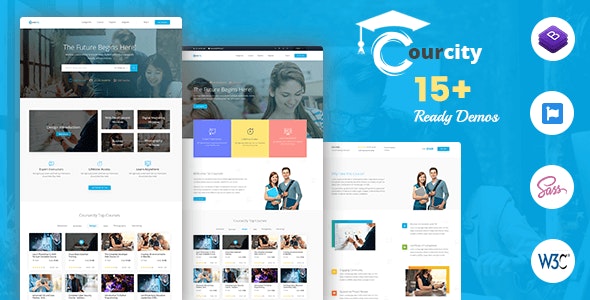
Introduction to Online Course HTML Templates
When creating an online course, one of the most critical decisions you'll make is selecting the right HTML template. Your template is the foundation of your e-learning platform, influencing not only the aesthetics of your site but also its functionality and user experience. A well-designed template can enhance engagement, streamline navigation, and ultimately contribute to the success of your educational business.
Understanding Your Requirements
Before diving into the vast array of available templates, it's essential to understand your specific needs. Consider the type of courses you'll be offering: Are they video-based, text-based, or a mix of both? Will you need features like quizzes, discussion forums, or peer reviews? Knowing your requirements will help you narrow down your options and focus on templates that cater to your educational business's unique demands.
Identifying Key Features
- Responsive Design: Ensure the template is mobile-friendly, as a significant portion of users will likely access your course via smartphones or tablets.
- Customization: Opt for a template with easy customization options to align with your brand.
- Integration Capabilities: Consider templates that seamlessly integrate with popular Learning Management Systems (LMS) or plugins for features like payment gateways, email marketing, and analytics.
Exploring Template Options
The market offers a wide range of online course HTML templates, each with its strengths and weaknesses. Some popular options include:
- TemplateMarket: Offers a variety of educational and course templates with modern designs and easy customization.
- ThemeForest: Provides a vast collection of templates for educational and course websites, with detailed documentation and support.
- TemplateMonster: Features a range of course and educational templates with responsive designs and integrated features.
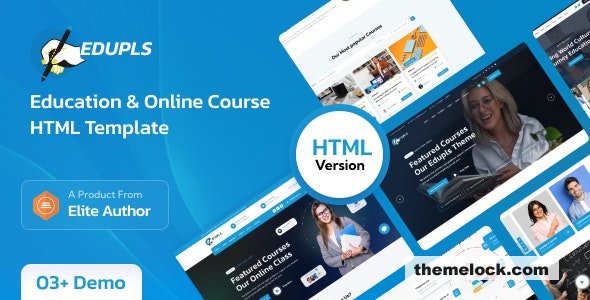
Free vs. Paid Templates
When choosing a template, you'll encounter both free and paid options. Free templates can be a good starting point, especially for those on a tight budget. However, they often come with limitations in terms of customization, features, and support.
Quick Comparison: Free vs. Paid Templates
| <strong>Aspect</strong> | <strong>Free Templates</strong> | <strong>Paid Templates</strong> |
|---|---|---|
| <strong>Cost</strong> | $0 | $20-$100+ |
| <strong>Customization</strong> | Limited | Extensive |
| <strong>Support</strong> | Community-based | Direct support from developers |
| <strong>Features</strong> | Basic | Advanced |
Ensuring a Seamless Learning Experience
The ultimate goal of your online course HTML template is to facilitate a seamless learning experience. This means ensuring that your template:
- Loads Quickly: A fast-loading site is crucial for user satisfaction and SEO.
- Is Accessible: Comply with accessibility standards to cater to all users, including those with disabilities.
- Supports Interactive Elements: Incorporate features like quizzes, gamification, and discussion forums to engage learners.
Trust-Building and Credibility
Your template plays a significant role in establishing trust and credibility with your audience. A professional-looking site with clear navigation and high-quality content reflects positively on your educational business.
Case Study: Success with the Right Template
Consider the example of an online education platform that switched to a responsive, feature-rich template. The result was a 30% increase in user engagement and a 25% rise in course completion rates, directly attributed to the improved user experience and accessibility of the new template.
Practical Tips for Implementation
- Test Thoroughly: Before launching, test your template across various devices and browsers to ensure compatibility.
- Customize Wisely: While customization is crucial, avoid over-customizing, which can lead to a cluttered user interface.
- Monitor Performance: Use analytics to monitor site performance and make adjustments as needed.
Frequently Asked Questions
Q: What are the most important features in an online course HTML template?
Key features include responsive design, ease of customization, integration capabilities with LMS or plugins, and support for interactive elements.
Q: Can I use a free template for my online course?
Yes, but consider the limitations in customization, features, and support. Paid templates often offer more extensive options and direct support.
Q: How do I ensure my template is accessible?
Follow accessibility guidelines such as WCAG 2.1, ensure color contrast, use ARIA labels for interactive elements, and test with screen readers.
Q: Can I change my template after launching my course?
It's possible but can be challenging. Ensure you're satisfied with your template before launch, but if needed, choose a template with easy migration paths.
Conclusion
Selecting the right online course HTML template is a pivotal decision for your educational business. By understanding your needs, exploring options, and prioritizing features like responsiveness, customization, and accessibility, you can create a seamless learning experience that engages users and fosters success. Take the time to research, test, and implement a template that aligns with your vision and goals, setting your educational business up for long-term success.
Related: Online Learning Platform Website Templates: What Actually
Related: 5 Useful Things to Know About Free Online Design Tools
Related: Study Sessions Online Tips
