Why Content Planning Matters
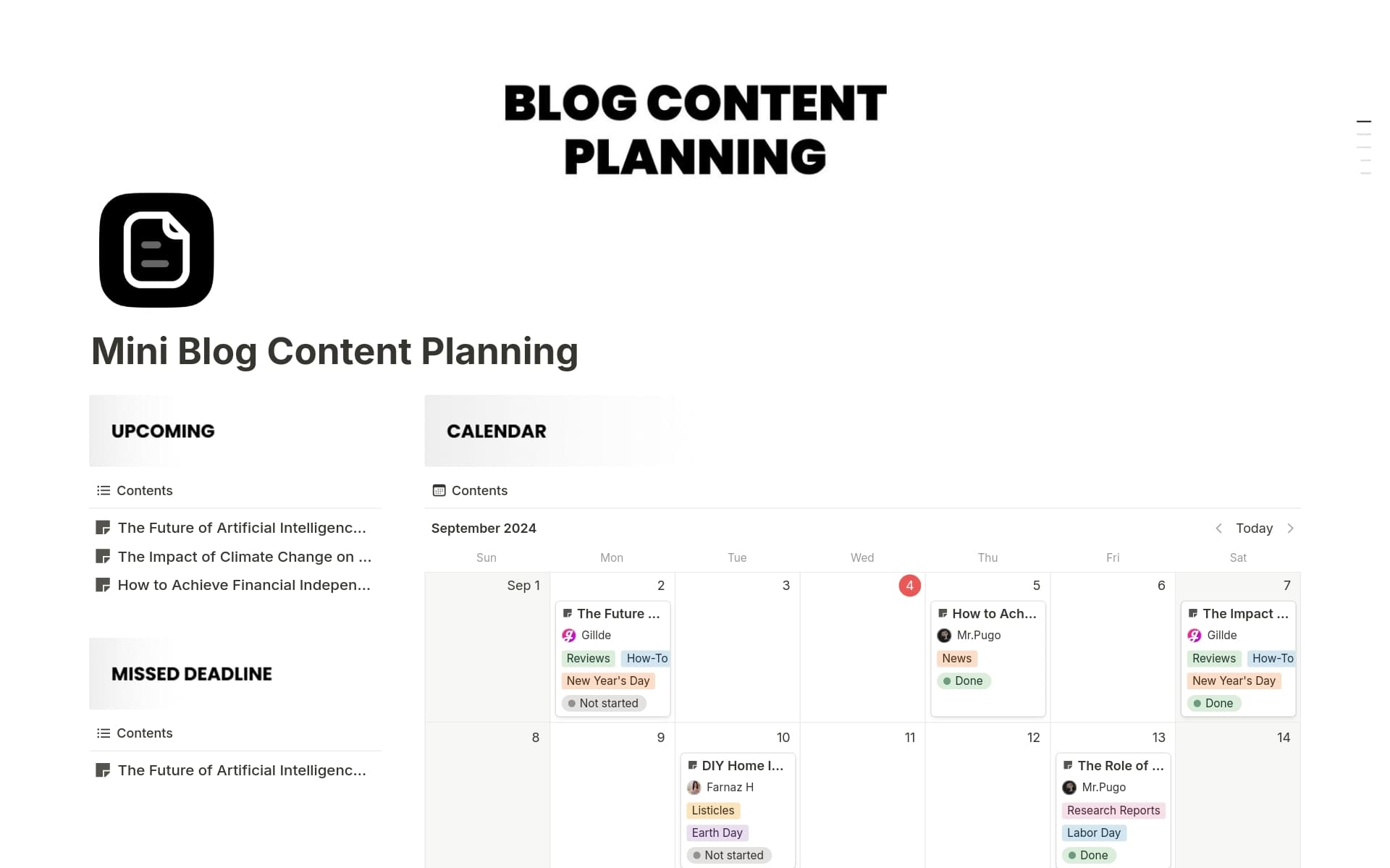
You're staring at a blank page, deadline looming, and your mind is a jumble of ideas that refuse to coalesce into a coherent content strategy. Sound familiar? A content planning calendar can be your savior. Think of it as a roadmap for your content creation journey, ensuring you publish consistently, reduce last-minute scrambles, and actually enjoy the process.
Step 1: Define Your Content Goals
Before you start scheduling posts, you need to know what you're trying to achieve. What are your business objectives? Are you looking to drive more website traffic, boost engagement on social media, or generate leads? Your content goals will dictate the type of content you create, the channels you use, and the metrics you track.
For example, if your goal is to increase website traffic, you might focus on creating informative blog posts optimized for SEO. If you're looking to boost engagement on social media, you might prioritize short-form videos and interactive content.
Content Goals Template
| Goal | Objective | Metrics to Track |
|---|---|---|
| Increase website traffic | Publish 2 blog posts per week | Website visits, page views, bounce rate |
| Boost social media engagement | Post 3 times per week on Facebook and Instagram | Likes, comments, shares |
| Generate leads | Create 1 gated asset per quarter | Lead conversions, email open rates |
Step 2: Know Your Audience
Your content planning calendar should be tailored to your target audience. Who are they? What are their pain points, interests, and behaviors? Understanding your audience will help you create content that resonates with them.
Consider creating buyer personas to guide your content creation. A buyer persona is a semi-fledged character profile that outlines your ideal customer's demographics, goals, challenges, and preferences.
The Power of a Content Calendar
"A content calendar is like a GPS for your content strategy. It helps you navigate the vast landscape of content creation, ensuring you stay on track, avoid duplication, and optimize your resources." - Anonymous
Step 3: Choose Your Content Channels
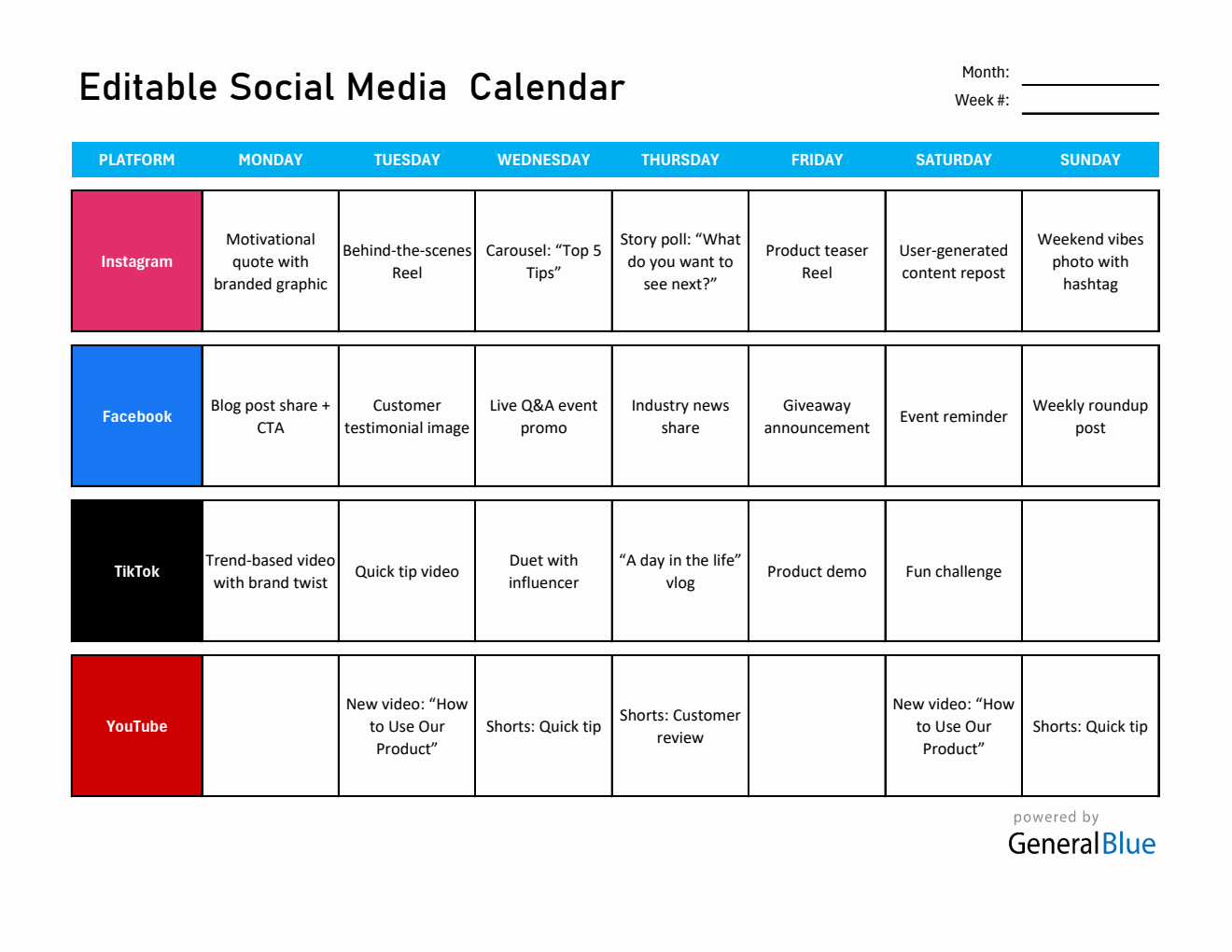
Don't try to be everywhere at once. Focus on the channels where your audience is most active. For example, if your audience is primarily on Instagram, prioritize visual content like photos and videos.
Here's a rough guide to help you choose your content channels:
Blogging: in-depth content, SEO optimization, lead generation
Social media: short-form content, engagement, brand awareness
Email newsletters: nurture leads, share exclusive content, drive conversions
Video content: product demos, explainer videos, brand storytelling
Step 4: Plan Your Content
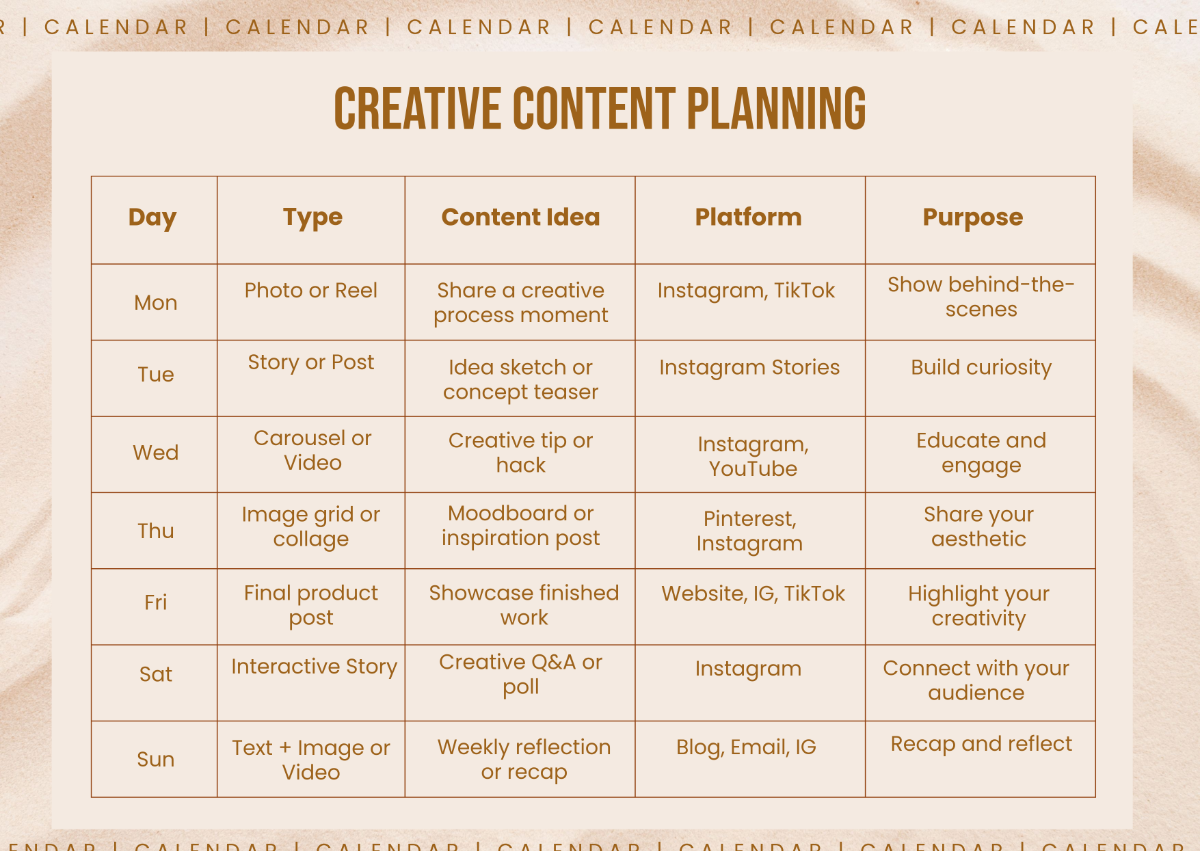
Now it's time to plan your content. Start by brainstorming topics, then prioritize them based on your goals and audience interests. Consider using a mix of evergreen and timely content to keep your calendar fresh.
Evergreen content: timeless topics that remain relevant over time (e.g., "how-to" guides, industry insights)
Timely content: topical content that's relevant to current events or trends (e.g., industry news, seasonal tips)
Step 5: Schedule Your Content
Use a calendar tool like Google Calendar, Trello, or Asana to schedule your content. Assign specific tasks to team members, set deadlines, and track progress.
Consider using a content planning template to streamline your process. You can find many free templates online or create your own using a spreadsheet.
Common Content Planning Mistakes
Don't fall into these common traps:
Inconsistent publishing: irregular posting schedules can confuse your audience and harm your SEO
Lack of variety: too much repetition can lead to boredom and disengagement
- Poor resource allocation: failing to allocate sufficient resources (time, budget, personnel) can lead to subpar content
Measuring Success
Track your content's performance using metrics like website traffic, engagement rates, lead conversions, and email open rates. Adjust your strategy based on your findings.
FAQs
Q: How far in advance should I plan my content?
Aim to plan at least 2-3 months in advance, but adjust based on your business needs and content complexity.
Q: What if I'm a solo creator? Do I still need a content calendar?
Absolutely! A content calendar helps you stay organized, focused, and ensures consistency, even when you're a one-person team.
Q: Can I use a content calendar for social media only?
While social media is a crucial channel, consider using a content calendar to plan and organize all your content, including blog posts, email newsletters, and video content.
Putting it All Together
A well-crafted content planning calendar can transform your content creation process, ensuring consistency, efficiency, and effectiveness. By following these steps, you'll be well on your way to creating a stress-free content planning experience that drives real results for your business.
Related: A Practical Guide to Side Hustle Ideas in South Africa
Related: A Practical Guide to Low Competition Online Business Ideas
Related: Pet Care Checklist Template: What Actually Makes Sense?
