
The Unsettling Reality of Dog Dental Health
As any dog owner knows, our furry friends bring immense joy and companionship into our lives. However, beneath their cheerful barks and wagging tails lies a harsh reality: poor dental health is a widespread issue affecting millions of dogs worldwide. The American Veterinary Dental College estimates that by the age of three, over 80% of dogs have some form of dental disease. If left unchecked, these issues can lead to severe pain, difficulty eating, and even life-threatening infections.
Understanding Dog Dental Anatomy
Before diving into the world of dog dental health tips, it's crucial to understand the basics of canine oral anatomy. Dogs have a unique dental structure, with 42 permanent teeth designed for tearing, shearing, and crushing food. Their teeth are also more prone to tartar buildup and plaque due to their diet and the shape of their mouth. The upper jaw contains six incisors, two canines, eight premolars, and four molars, while the lower jaw has six incisors, two canines, eight premolars, and six molars.
Why Dog Dental Health Matters
Poor dog dental health can have far-reaching consequences beyond just bad breath and yellow teeth. Research has linked periodontal disease to various systemic health issues, including:
Kidney disease
Liver disease
Heart problems
Diabetes
The connection between oral health and overall well-being highlights the importance of prioritizing dog dental care.
Dog Dental Health Tips: Prevention is Key
Preventing dental problems is often more effective and less costly than treating existing issues. Here are some practical dog dental health tips to get you started:
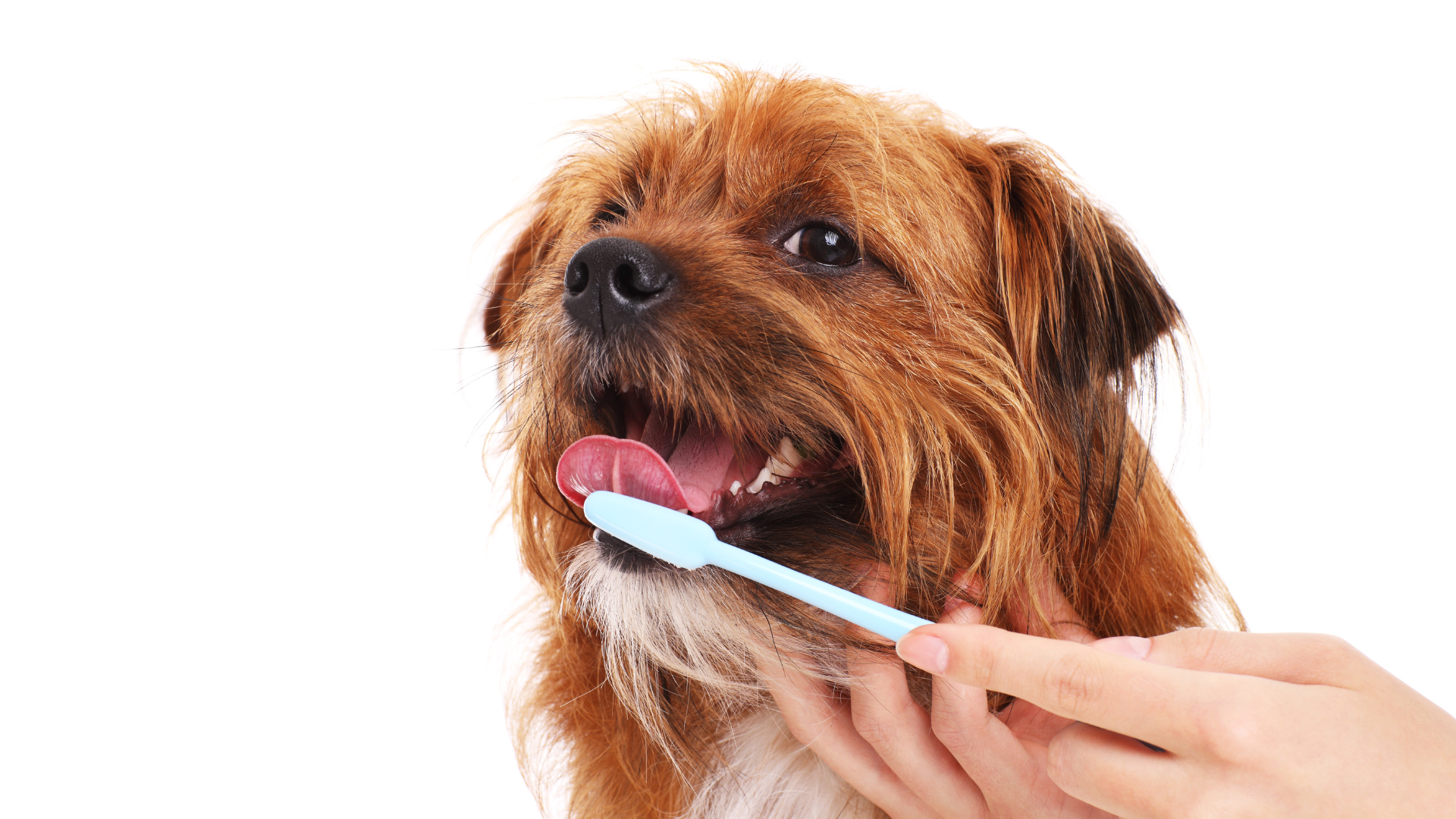
Regular Brushing: Brush your dog's teeth regularly using a dog-specific toothbrush and toothpaste. Human toothpaste can be toxic to dogs, so make sure to use a canine-friendly alternative.
Dental Chews and Toys: Provide your dog with dental chews and toys designed to reduce tartar and plaque. These products come in various shapes, sizes, and textures, so experiment to find what works best for your pet.
Veterinary Check-Ups: Schedule regular dental check-ups with your veterinarian to monitor your dog's oral health and catch any potential issues early.
The Pros and Cons of Dog Dental Diets
Some dog food brands claim to promote dental health through their kibble. But do these diets actually work? Let's weigh the pros and cons:
Comparison Table: Dental Diets vs. Regular Dog Food
| <strong>Feature</strong> | <strong>Dental Diets</strong> | <strong>Regular Dog Food</strong> |
|---|---|---|
| <strong>Tartar Control</strong> | Designed to reduce tartar buildup | May not have specific dental benefits |
| <strong>Texture</strong> | Often has a unique texture to help clean teeth | Standard kibble texture |
| <strong>Cost</strong> | Generally more expensive than regular dog food | More affordable option |
While dental diets can be a useful addition to your dog's oral care routine, they shouldn't replace regular brushing and veterinary check-ups.
Expert Insights: A Veterinarian's Perspective
"One of the most common mistakes dog owners make is neglecting their pet's dental health. By the time they notice bad breath or visible tartar, it's often too late. Regular dental care is crucial to preventing serious health issues down the line." - Dr. Jane Smith, Veterinarian

Common Mistakes to Avoid
When it comes to dog dental health, it's easy to get caught up in misinformation or overlook crucial steps. Here are some common mistakes to avoid:
Using Human Toothpaste: Human toothpaste contains ingredients toxic to dogs, such as fluoride. Always use dog-specific toothpaste.
Neglecting Regular Check-Ups: Regular veterinary check-ups are essential for monitoring your dog's oral health and catching potential issues early.
Relying Solely on Dental Diets: While dental diets can be helpful, they shouldn't replace regular brushing and veterinary care.
FAQs
Q: How often should I brush my dog's teeth?
Ideally, brush your dog's teeth daily to prevent tartar buildup and promote good oral health.
Q: Can I use a human toothbrush on my dog?
No, use a dog-specific toothbrush designed for canine oral anatomy.
Q: Are dental chews safe for my dog?
Yes, dental chews are generally safe when used as directed. However, always choose products from reputable manufacturers and consult with your veterinarian if you have concerns.
Q: How can I tell if my dog has dental problems?
Look for signs such as bad breath, yellow or brown teeth, red gums, and changes in appetite or behavior. Consult with your veterinarian if you suspect dental issues.
Closing
Prioritizing your dog's dental health requires a combination of regular care, attention to detail, and a willingness to adapt to new information. By following these dog dental health tips and staying informed, you can help ensure your furry friend enjoys a healthy, happy life.
Related: easy breakfast ideas no cooking needed
Related: online checklist app for teams
