

Why Dog Dental Care Matters
As a dog owner, you're likely no stranger to the importance of regular veterinary check-ups, vaccinations, and preventative care. However, one often-overlooked aspect of canine health is dental care. Just like humans, dogs can suffer from a range of dental issues, from tartar buildup and gum disease to tooth decay and extractions. In fact, according to the American Veterinary Medical Association, dental problems are one of the most common health issues affecting dogs.
Choosing the Right Dog Dental Hospital
When it comes to your dog's dental health, it's essential to choose a reputable and experienced hospital. Here are some factors to consider:
Look for a veterinary dentist: A veterinary dentist has received specialized training in dental care and surgery, ensuring your dog receives the best possible treatment.
Check their experience: Opt for a hospital with a proven track record of performing dental procedures on dogs.
State-of-the-art equipment: A well-equipped hospital with modern dental technology, such as digital X-rays and dental cleaning equipment, can provide more accurate diagnoses and effective treatments.
The Benefits of Regular Dog Dental Cleanings
Regular dental cleanings are crucial for maintaining your dog's oral health. Some benefits include:
Prevention of tartar buildup: Regular cleanings can help prevent tartar buildup, which can lead to gum disease and other dental issues.
Early detection of dental problems: A dental cleaning can help identify potential issues before they become severe, allowing for early intervention and treatment.
Fresh breath and healthy gums: Regular cleanings can leave your dog's mouth feeling fresh and clean, and their gums healthy and pink.
What to Expect During a Dog Dental Cleaning
A dog dental cleaning typically involves:
Anesthesia: To ensure your dog remains calm and comfortable during the procedure, anesthesia is usually administered.
Ultrasonic scaling: A special tool is used to remove tartar and plaque from your dog's teeth, both above and below the gum line.
Polishing: The teeth are polished to remove any remaining plaque and stains.
Common Dog Dental Problems and Solutions
Some common dental issues affecting dogs include:
Tooth Resorption
Tooth resorption is a painful condition where the tooth structure is gradually destroyed. Treatment typically involves extraction of the affected tooth.

Gum Disease
Gum disease, also known as periodontal disease, is a bacterial infection that affects the gums and bone supporting the teeth. Treatment may involve antibiotics, dental cleanings, and in severe cases, surgery.
Tooth Decay
Tooth decay, or dental caries, is a bacterial infection that causes demineralization of tooth enamel. Treatment may involve fillings, crowns, or extractions.
Dog Dental Care at Home
While regular dental cleanings are essential, there are steps you can take at home to support your dog's oral health:
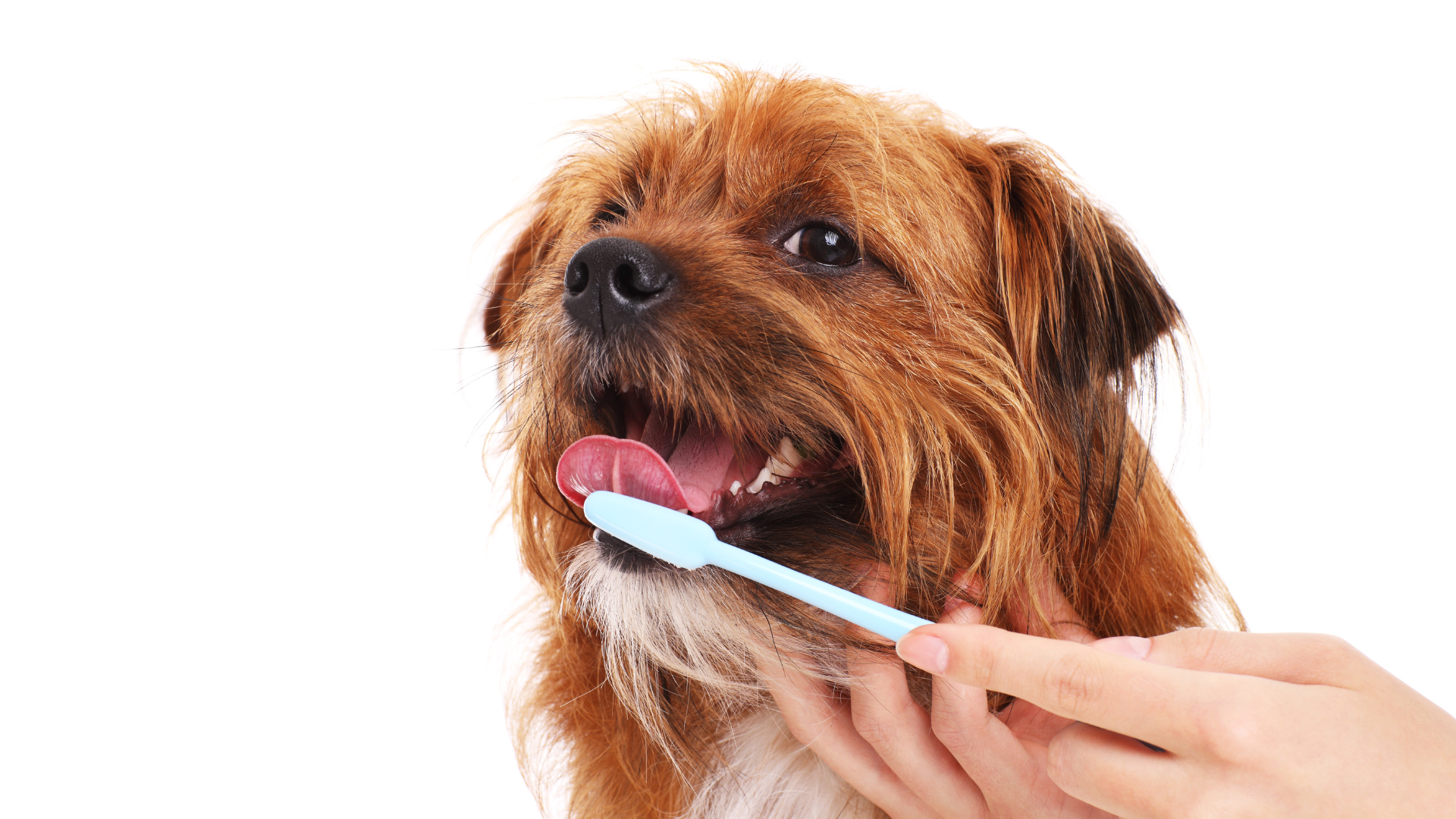
Brush their teeth: Regular brushing can help remove plaque and tartar buildup.
Provide dental chews: Dental chews can help reduce tartar and plaque buildup, and stimulate saliva production, which helps neutralize acids.
Monitor their diet: A balanced diet that includes crunchy foods can help support oral health.
Dog Dental Hospital vs. General Veterinary Clinic: What's the Difference?
| Dog Dental Hospital | General Veterinary Clinic |
|---|---|
| <strong>Specialization</strong> | Specialized in dental care and surgery |
| <strong>Equipment</strong> | State-of-the-art dental equipment |
| <strong>Experience</strong> | Experienced in dental procedures |
FAQs
Q: How often should I take my dog to a dental hospital? The frequency depends on your dog's individual needs, but generally, annual dental cleanings are recommended.
Q: Can I brush my dog's teeth at home?
Yes, brushing your dog's teeth regularly can help support their oral health, but it's essential to use a dog-specific toothbrush and toothpaste.
- Q: What are the signs of dental problems in dogs?
Signs may include bad breath, yellow or brown teeth, red gums, and changes in appetite or behavior.
Final Check: Prioritizing Your Dog's Dental Health
By prioritizing your dog's dental health, you can help prevent common issues, ensure their overall well-being, and strengthen your bond with them. Remember to choose a reputable dog dental hospital, schedule regular cleanings, and practice good oral hygiene at home. Your dog will thank you for it.
Related: Cleaning Your Microwave with Lemon: A Simple, Effective Method
