

Easy budget planner Template: What Actually Makes Sense?
The Quest for a Hassle-Free Budget
Are you tired of living paycheck to paycheck? Do you struggle to keep track of your expenses and savings? You're not alone. Many people find it challenging to manage their finances effectively, but a well-crafted budget can be a powerful tool in achieving financial stability. In this article, we'll explore the world of easy budget planner templates and what makes them effective.
What is an Easy Budget Planner Template?
An easy budget planner template is a pre-designed spreadsheet or document that helps you organize your financial information and create a realistic budget. These templates usually include categories for income, expenses, savings, and debt repayment, making it easier to track your money and make informed decisions. But with so many options available, what makes a budget planner template truly effective?
Benefits of Using an Easy Budget Planner Template
Using an easy budget planner template can have numerous benefits, including:
Simplified budgeting: A template takes the guesswork out of creating a budget, ensuring you don't overlook important expenses or income sources.
Time-saving: With a pre-designed template, you can quickly input your financial information and start tracking your progress.
Increased accuracy: A template helps you avoid calculation errors and ensures your budget is balanced.
Types of Easy Budget Planner Templates
There are several types of easy budget planner templates available, each with its pros and cons. Some popular options include:
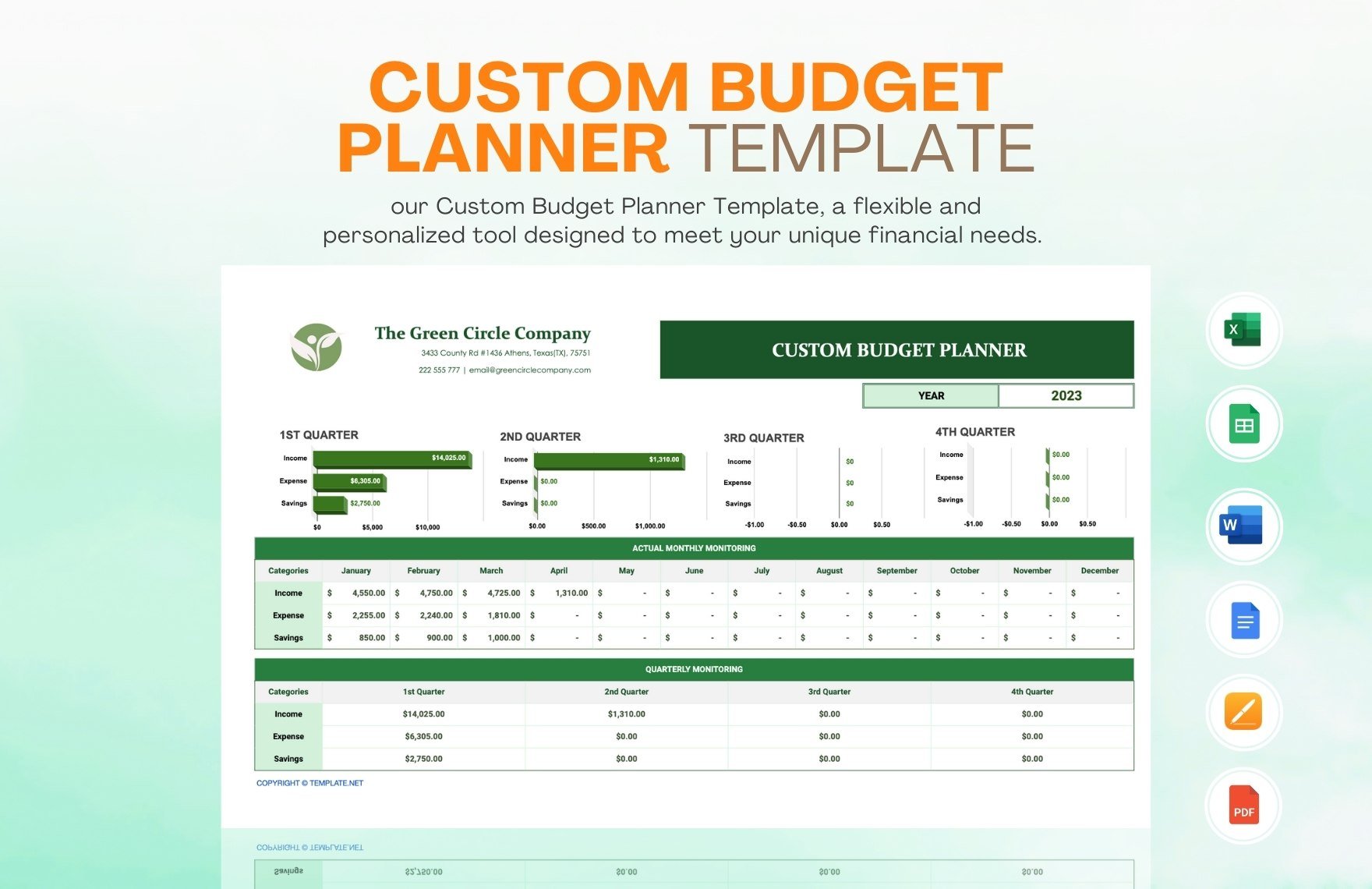
50/30/20 Budget Template
This template allocates 50% of your income towards necessary expenses, 30% towards discretionary spending, and 20% towards saving and debt repayment. While this template provides a simple and straightforward approach, it may not be suitable for everyone, particularly those with high-interest debt or irregular income.
Zero-Based Budget Template
This template requires you to assign every dollar a job, ensuring that your income minus expenses equals zero. This approach provides a high level of detail and control but can be time-consuming and may not be suitable for those with variable income.
Envelope System Budget Template
This template involves dividing your expenses into categories (e.g., housing, transportation, food) and allocating a specific amount of cash for each category. While this approach can help with overspending, it may not be practical for online transactions or those with irregular expenses.
Comparison of Easy Budget Planner Templates
| Template | Pros | Cons |
|---|---|---|
| 50/30/20 Budget | Simple, easy to follow | May not be suitable for high-interest debt or irregular income |
| Zero-Based Budget | High level of detail and control | Time-consuming, may not be suitable for variable income |
| Envelope System Budget | Helps with overspending, tangible | May not be practical for online transactions or irregular expenses |
Best Practices for Using an Easy Budget Planner Template
While an easy budget planner template can be a valuable tool, it's essential to use it effectively. Here are some best practices to keep in mind:
Be realistic: Don't set unrealistic financial goals. Make sure your budget is achievable and aligns with your financial priorities.
Track regularly: Regularly track your expenses and income to ensure you're on track with your budget.
Adjust as needed: Life is unpredictable, and your budget should be flexible enough to accommodate changes.
Common Mistakes to Avoid
When using an easy budget planner template, it's essential to avoid common mistakes, such as:
Not accounting for irregular expenses: Make sure to include irregular expenses, such as car maintenance or property taxes, in your budget.
Overestimating income: Be conservative when estimating your income to avoid overspending.
- Not prioritizing needs over wants: Make sure to prioritize essential expenses over discretionary spending.
Case Study: The 50/30/20 Budget in Action
Meet Sarah, a 30-year-old marketing professional who earns $60,000 per year. Sarah uses the 50/30/20 budget template to manage her finances. She allocates 50% of her income towards necessary expenses, such as rent, utilities, and groceries. She uses 30% for discretionary spending, such as dining out and entertainment. Finally, she puts 20% towards saving and debt repayment. By using this template, Sarah has been able to pay off her student loans and build a savings cushion.
Frequently Asked Questions
Q: What is the best budget planner template for beginners?
The 50/30/20 budget template is a great starting point for beginners, as it's simple and easy to follow.
Q: Can I use a budget planner template for business finances?
While budget planner templates are primarily designed for personal finances, you can adapt them for business use. However, you may need to add or modify categories to suit your business needs.
Q: How often should I review and update my budget?
It's essential to review and update your budget regularly, ideally every 3-6 months, to ensure you're on track with your financial goals.
Q: Can I use a budget planner template with irregular income?
Yes, but you may need to modify the template to accommodate your variable income. Consider using a zero-based budget template or a budgeting app that allows for irregular income.
Conclusion
An easy budget planner template can be a powerful tool in achieving financial stability, but it's essential to choose the right template and use it effectively. By understanding the benefits and limitations of different templates, following best practices, and avoiding common mistakes, you can create a realistic budget that helps you achieve your financial goals.
Related: Get Your Finances in Order with a Free Budget Planner
Related: Best Budget Planner for Beginners
Related: Take Control of Your Finances: Free Budget Planner Template
Related: Free Budget Planner Template for Students to Achieve
Related: Side Hustle Ideas for Beginners: A Clear Path to Extra Income
