
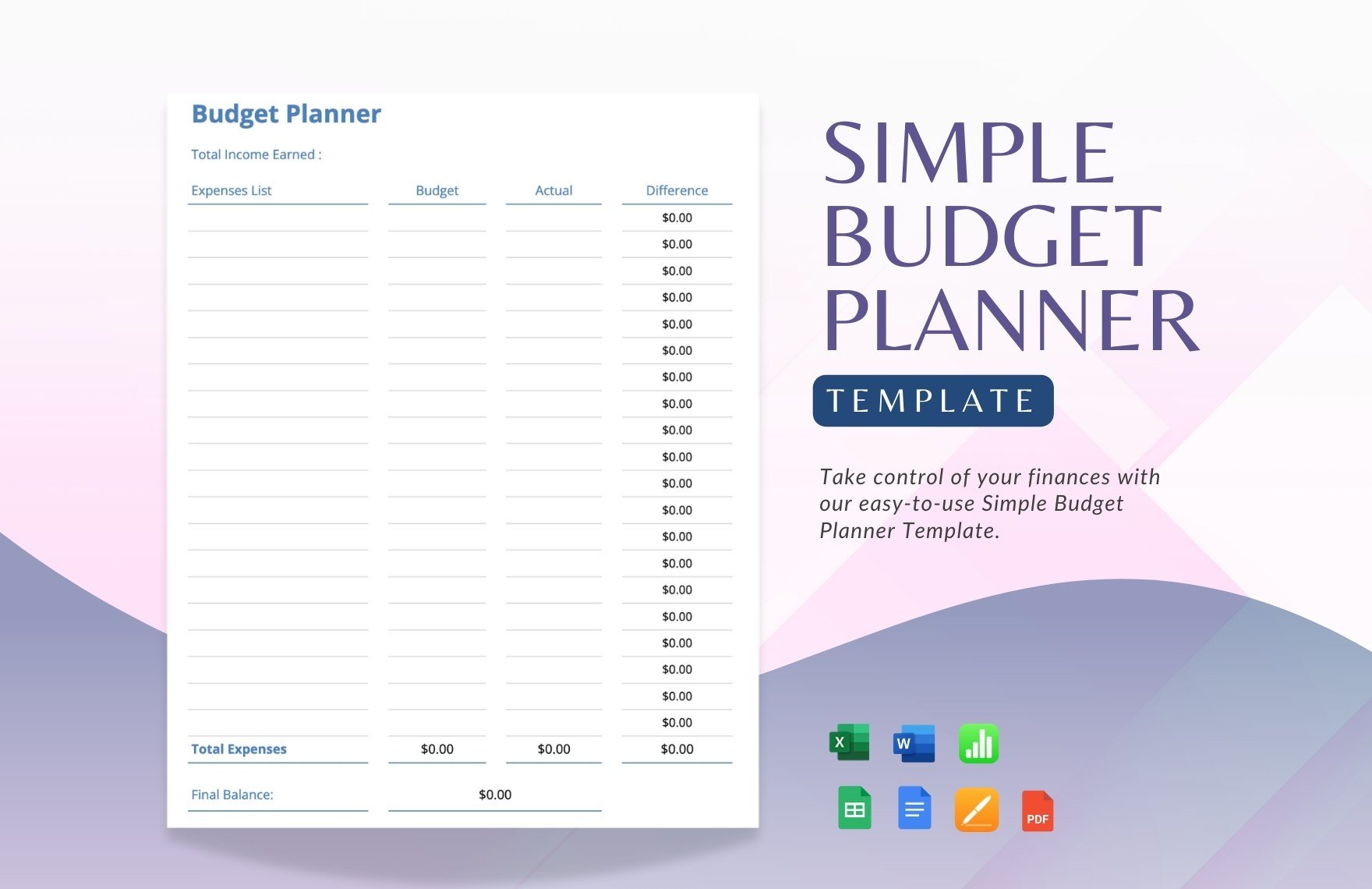
As a beginner, managing your finances can seem daunting. Where do you start? How do you prioritize your spending? And what's the best way to ensure you're on track to achieving financial stability? The answer lies in creating a budget, and the good news is that you don't need to break the bank to get started. In this article, we'll explore the benefits of using a free budget planner template, provide a step-by-step guide on how to use one, and offer expert tips on how to make the most of your budgeting journey.
Taking Control of Your Finances
Before we dive into the world of budget planner templates, let's talk about why budgeting is essential. A budget is more than just a piece of paper or a spreadsheet; it's a tool that helps you understand where your money is going, make conscious financial decisions, and achieve your long-term goals. By creating a budget, you'll be able to:
Track your income and expenses
Identify areas where you can cut back
Prioritize your spending
Build savings and reduce debt
Finding the Right Budget Planner Template
With so many budget planner templates available online, it can be overwhelming to choose the right one. What makes a good template? Here are a few things to look out for:
Ease of use: A good template should be easy to understand and use, even for those who aren't tech-savvy.
Customization: Look for a template that allows you to customize it to your needs and financial situation.
Comprehensive: A good template should cover all aspects of your finances, including income, expenses, savings, and debt.
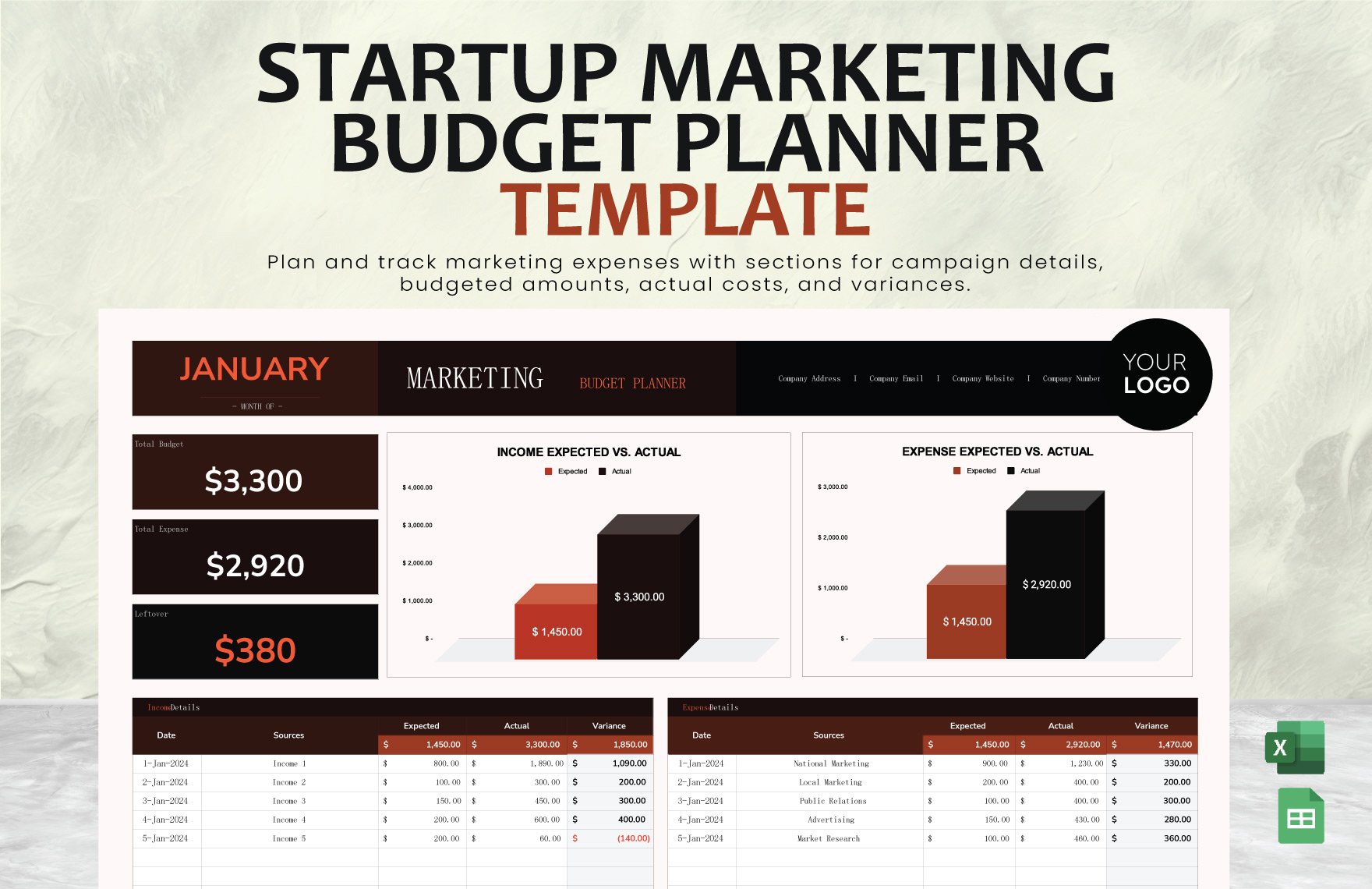
A Simple, Effective Free Budget Planner Template
So, what does a good free budget planner template look like? Here's an example of a simple, effective template you can use:
| <strong>Category</strong> | <strong>Monthly Budget</strong> | <strong>Actual Spending</strong> |
|---|---|---|
| Income | $4,000 | |
| Rent/Mortgage | $1,500 | |
| Utilities | $150 | |
| Groceries | $500 | |
| Transportation | $500 | |
| Entertainment | $500 | |
| Savings | $1,000 | |
| Debt Repayment | $500 |
This template is a basic example, but it covers all the essential categories. You can customize it to fit your needs and financial situation.
How to Use a Budget Planner Template
Using a budget planner template is straightforward. Here's a step-by-step guide:
- Gather your financial information: Collect your pay stubs, bills, and receipts to get a clear picture of your income and expenses.
- Fill in your income: Enter your monthly income into the template.
- Categorize your expenses: Divide your expenses into categories, such as rent/mortgage, utilities, groceries, transportation, entertainment, savings, and debt repayment.
- Set your budget: Based on your income and expenses, set a realistic budget for each category.
- Track your spending: Throughout the month, track your actual spending against your budgeted amounts.
- Review and adjust: At the end of the month, review your spending and adjust your budget for the next month.
Tips for Making the Most of Your Budget
Here are a few expert tips to help you make the most of your budget:
Prioritize needs over wants: Be honest with yourself about what you need versus what you want.
Automate your savings: Set up automatic transfers from your checking account to your savings or investment accounts.
Avoid impulse purchases: Create a 30-day waiting period for non-essential purchases to help you avoid making impulsive decisions.
Common Budgeting Mistakes to Avoid
As a beginner, it's easy to make mistakes when creating a budget. Here are a few common mistakes to avoid:
Underestimating expenses: Make sure to account for all your expenses, including irregular ones like car maintenance or medical bills.
Overestimating income: Be conservative with your income estimates to avoid overspending.
Not tracking spending: Regularly track your spending to ensure you're on track with your budget.
Budgeting for Beginners: Frequently Asked Questions
Here are a few frequently asked questions about budgeting for beginners:
Q: What's the best way to create a budget?
The best way to create a budget is to start by tracking your income and expenses, then categorize your spending and set realistic goals.
Q: How often should I review my budget?
Review your budget regularly, ideally every month, to ensure you're on track with your financial goals.
Q: What if I'm not good with numbers?
Don't worry! Budgeting is not about being good with numbers; it's about understanding your financial situation and making conscious decisions.
- Q: Can I use a budget planner template for my business?
While budget planner templates are designed for personal finance, you can adapt them for business use. However, consider using a template specifically designed for business budgeting.
Conclusion
Creating a budget doesn't have to be complicated or expensive. By using a free budget planner template and following the tips outlined in this article, you'll be well on your way to taking control of your finances and achieving financial stability. Remember to prioritize your spending, automate your savings, and avoid common budgeting mistakes. With time and practice, you'll become a budgeting pro, and your financial future will thank you.
Related: How to Find the Best Online Business Ideas for Women
