
When it comes to making a job offer, having a solid template can make all the difference. A well-crafted job offer template not only saves time but also ensures that you include all the necessary details, making it easier for both you and the candidate to move forward. But what actually makes sense when it comes to creating a free job offer template?
Understanding the Basics of a Job Offer Template
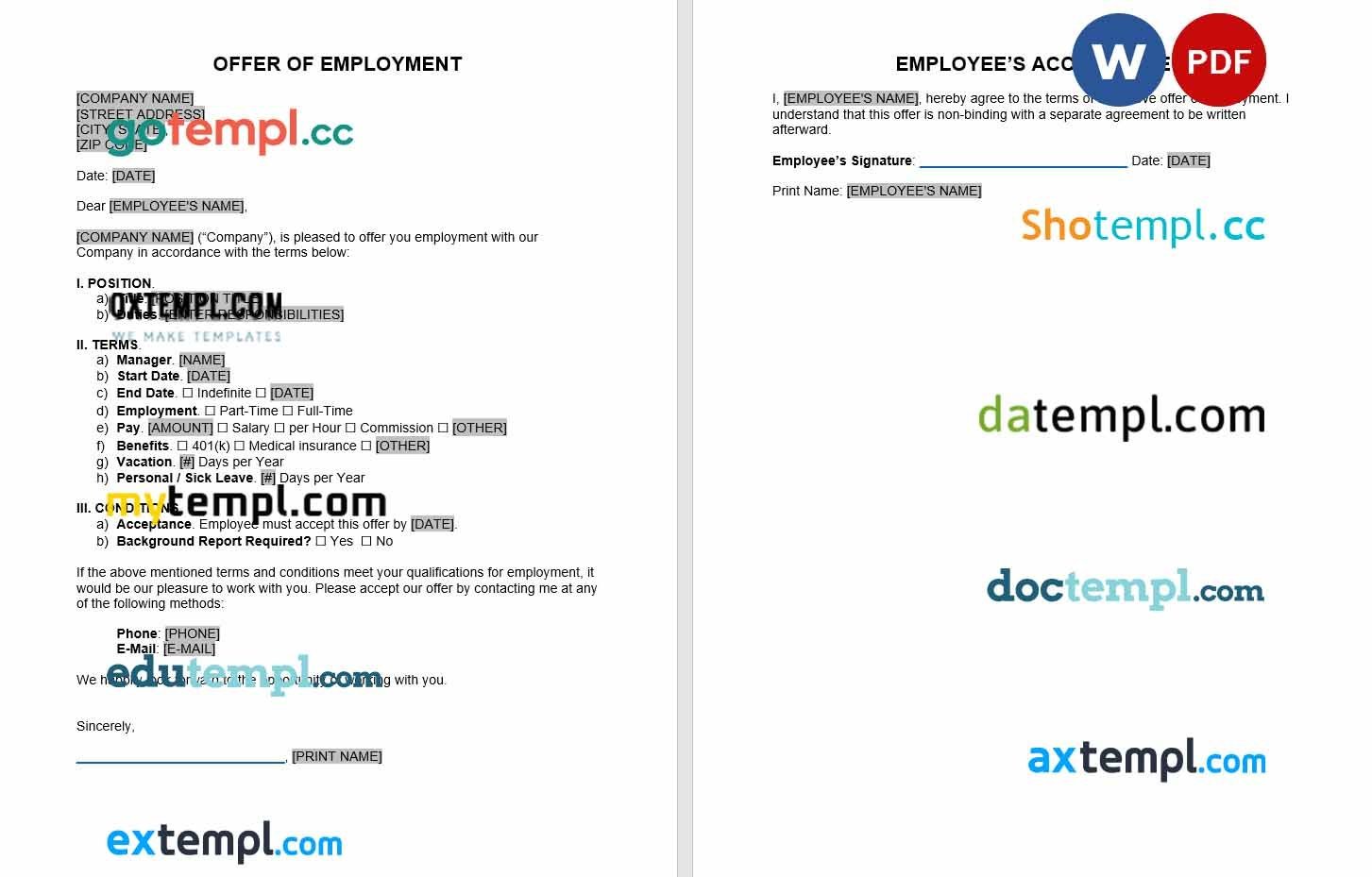
A job offer template typically includes essential information about the position, the company, and the terms of employment. This can range from the job title and description to the salary, benefits, and start date. The goal is to provide a clear and concise overview of what the candidate can expect if they accept the offer.
At its core, a job offer template should be customizable to fit your specific needs. This means having a basic structure that you can modify according to the role, the industry, and the company culture. For instance, a tech startup might have a very different offer letter compared to a corporate firm, highlighting the need for flexibility in your template.
Key Components of a Job Offer Template
So, what should you include in your job offer template? Here are some key components:
- Job Title and Description: A clear and concise job title along with a brief description of the role and responsibilities.
- Terms of Employment: Details about the type of employment (full-time, part-time, contract), start date, and end date (if applicable).
- Compensation and Benefits: Information on the salary, payment schedule, benefits (health insurance, retirement plans), and any other perks.
- Conditions of Employment: Any conditions that need to be met before the employment begins, such as background checks or references.
Creating Your Free Job Offer Template
When creating your template, consider the following:
Choosing the Right Format
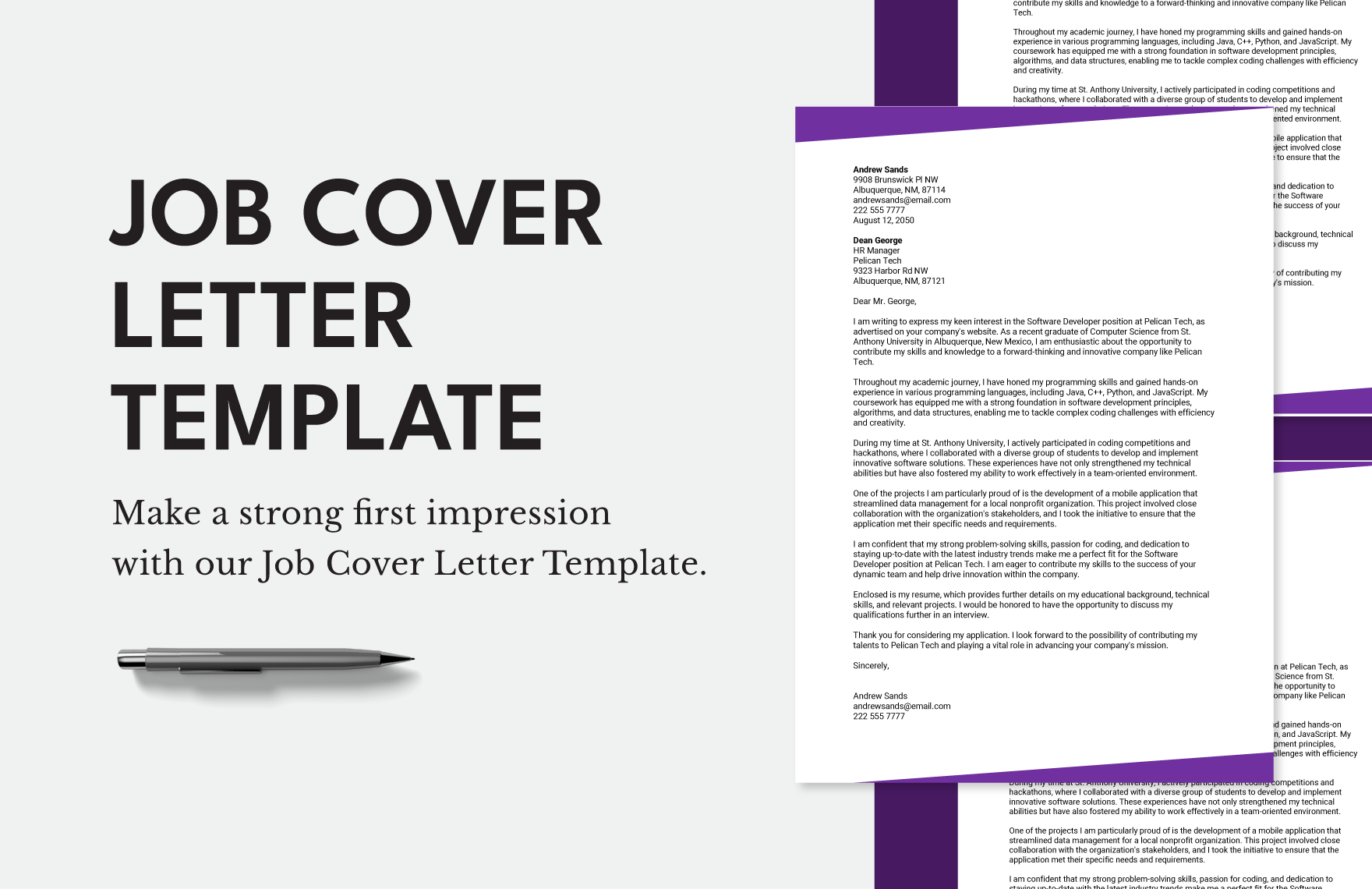
Your job offer template can be in the form of a letter or an email. The choice depends on your company culture and the formality of the offer. A letter might be more traditional, while an email could be quicker and more informal.
Customization is Key
Make sure your template is easy to customize. This could mean having a basic Word document or Google Doc that you can modify as needed. The goal is to make it easy to tailor the offer to the specific candidate and position.
Legal Considerations
Ensure that your job offer template complies with local labor laws and regulations. This might include disclaimers or specific information that is required by law. Consulting with an HR professional or legal advisor can be invaluable here.
Example of a Job Offer Template
Here's a simple example of what a job offer template might look like:
[Your Company Logo]
[Date]
[Candidate Name]
[Candidate Address]
Dear [Candidate Name],
We are pleased to offer you the position of [Job Title] at [Company Name], as discussed during your interview on [Interview Date]. Below are the details of the offer:
- Job Title: [Job Title]
- Reports to: [Manager's Name]
- Type of Employment: Full-time
- Start Date: [Start Date]
- Salary: $ [Salary] per year, paid bi-weekly
- Benefits: Health, dental, and vision insurance, 401(k) plan with company match
Please confirm your acceptance by signing and returning one copy of this letter to us by [Deadline for Response].
Sincerely,
[Your Name]
[Your Title]
[Company Name]
Pros and Cons of Using a Job Offer Template
Pros
- Efficiency: Saves time in creating offers for multiple candidates.
- Consistency: Ensures that all necessary information is included.
- Professionalism: Presents a professional image to candidates.
Cons
- Lack of Personal Touch: Could make the offer seem less personal to candidates.
- Inflexibility: Might not accommodate unique aspects of a job or company.
Frequently Asked Questions
Q: Can I use a job offer template for any position?
While a template can be versatile, it's essential to customize it for each position and candidate to ensure relevance and accuracy.
Q: What if I need to make changes to the template?
Your template should be easy to modify. Keep it in a format like Word or Google Docs for easy editing.
Q: Is it legal to use a job offer template?
Yes, but make sure it complies with local labor laws and regulations. Consulting with a legal professional can help ensure compliance.
Q: Can I send a job offer template via email?
Yes, but consider the formality of the position and the company culture. An email can be appropriate for some offers, while a formal letter might be better for others.
Final Considerations
Creating a free job offer template that makes sense involves understanding the basics of what to include, customizing it for your needs, and ensuring it complies with legal requirements. By doing so, you can streamline your recruitment process, present a professional image, and ensure that both you and the candidate have a clear understanding of the terms of employment. Remember, the goal is to make the process as smooth and efficient as possible for everyone involved.
Related: A Practical Guide to Job Offer Templates: Free Samples
