
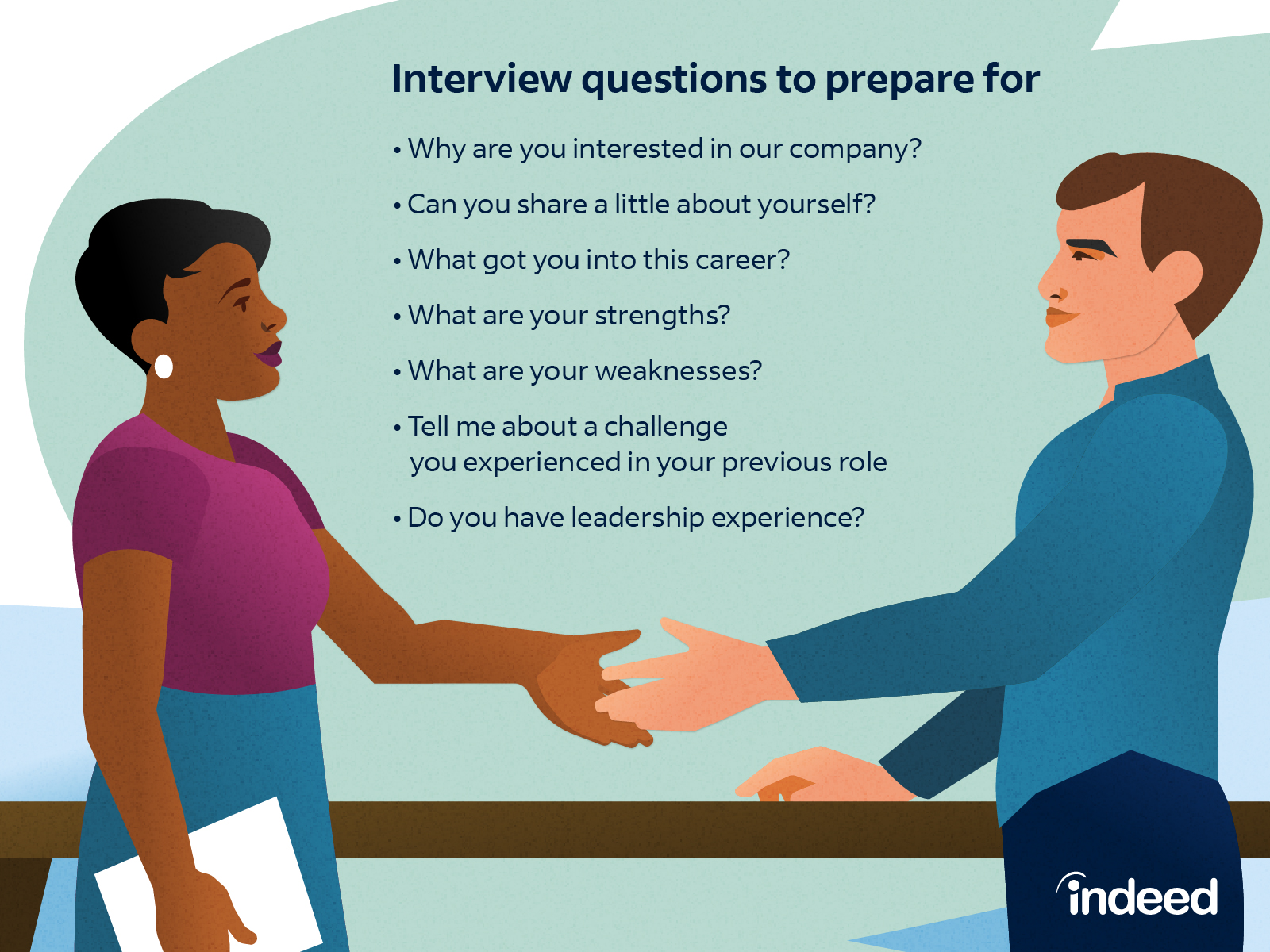
Understanding the Interview Process
Walking into an interview can be daunting, especially if you're unsure what to expect. The interview process is designed to assess your skills, experience, and fit for a particular role. As a candidate, it's essential to be prepared to showcase your strengths and demonstrate your enthusiasm for the position.
Interviewers typically ask a mix of behavioral, situational, and technical questions to gauge your abilities. Behavioral questions focus on your past experiences, situational questions evaluate your problem-solving skills, and technical questions assess your knowledge of specific tools or techniques.
Common Interview Questions and How to Approach Them
When it comes to interview questions, it's impossible to predict every single one you'll be asked. However, there are some common questions that tend to pop up frequently. Here are a few examples:
Can you tell me about yourself?
What are your strengths and weaknesses?
Why do you want to work for this company?
Where do you see yourself in five years?
To approach these questions, remember that the interviewer wants to get to know you and understand how you can contribute to the organization. Be concise, specific, and authentic in your responses.
STAR Method for Behavioral Questions
The STAR method is a useful framework for answering behavioral questions. STAR stands for:
Situation: Set the context for the story
Task: Explain the task or challenge you faced
Action: Describe the actions you took to address the challenge
Result: Share the outcome or results of your actions
By using the STAR method, you can structure your responses in a clear and concise manner.

Expert Tips for Acing Interviews
So, what sets top candidates apart from the rest? Here are some expert tips to help you shine:
Research the company: Understand the company's mission, values, and products to demonstrate your interest and enthusiasm.
Practice your responses: Prepare answers to common questions, but avoid sounding rehearsed.
Showcase your skills: Highlight your relevant skills and experiences, and provide specific examples to demonstrate your expertise.
Be yourself: Authenticity is key in an interview. Don't try to be someone you're not.
Comparison of Interview Types
| Interview Type | Description | Tips |
|---|---|---|
| Phone Interview | Initial screening to assess basic qualifications | Be prepared to talk about your resume and experience |
| Video Interview | Virtual interview to assess communication skills | Dress professionally, use a quiet background |
| In-Person Interview | Face-to-face interview to assess fit and culture | Research the company, prepare questions to ask |
Overcoming Common Interview Mistakes
Even the most prepared candidates can make mistakes. Here are some common interview mistakes to avoid:
Lack of preparation: Failing to research the company or practice responses
Poor body language: Failing to maintain eye contact, slouching, or fidgeting
Negative talk: Speaking negatively about previous employers or colleagues
By being aware of these common mistakes, you can take steps to avoid them and showcase your best self.
Final Preparations
As you prepare for your interview, remember to:
Get plenty of rest: Aim for 7-8 hours of sleep to ensure you're well-rested and alert
Dress professionally: Make a good impression with your attire and grooming
Arrive early: Plan to arrive 10-15 minutes before the interview to show your punctuality and respect for the interviewer's time
Frequently Asked Questions
Q: What are some common interview questions for [specific job title]?
Common interview questions vary depending on the job title and industry. However, some popular questions include "Can you tell me about yourself?" and "What are your strengths and weaknesses?"
Q: How can I prepare for an interview?
Research the company, practice your responses, and showcase your skills and experiences.
Q: What are some tips for acing a phone interview?
Be prepared to talk about your resume and experience, and use a quiet background to minimize distractions.
Q: How can I follow up after an interview?
Send a thank-you note or email to express your gratitude and reiterate your interest in the position.
You Got This
Acing an interview requires preparation, confidence, and authenticity. By understanding the interview process, practicing your responses, and showcasing your skills and experiences, you can increase your chances of landing your dream job. Remember to stay calm, be yourself, and show enthusiasm for the position. Good luck!
Related: Online Business Ideas for Beginners Free
Related: Interview Questions with Good Tips
