

The 50/30/20 Rule: A Simple Starting Point
When it comes to budgeting your monthly income, there's no one-size-fits-all solution. However, a straightforward approach can help you get started. The 50/30/20 rule is a popular guideline that allocates 50% of your income towards necessary expenses, 30% towards discretionary spending, and 20% towards saving and debt repayment.
For example, let's say your monthly income is $4,000. According to the 50/30/20 rule, you would allocate:
$2,000 (50%) towards necessary expenses like rent, utilities, and groceries
$1,200 (30%) towards discretionary spending like entertainment, hobbies, and travel
$800 (20%) towards saving and debt repayment
Identifying Your Necessary Expenses
Necessary expenses are essential costs that you need to cover to maintain a basic standard of living. These may include:
Rent or mortgage
Utilities (electricity, water, gas, internet)
Groceries
Transportation (car loan/lease, gas, insurance, maintenance)
Minimum debt payments (credit cards, loans)
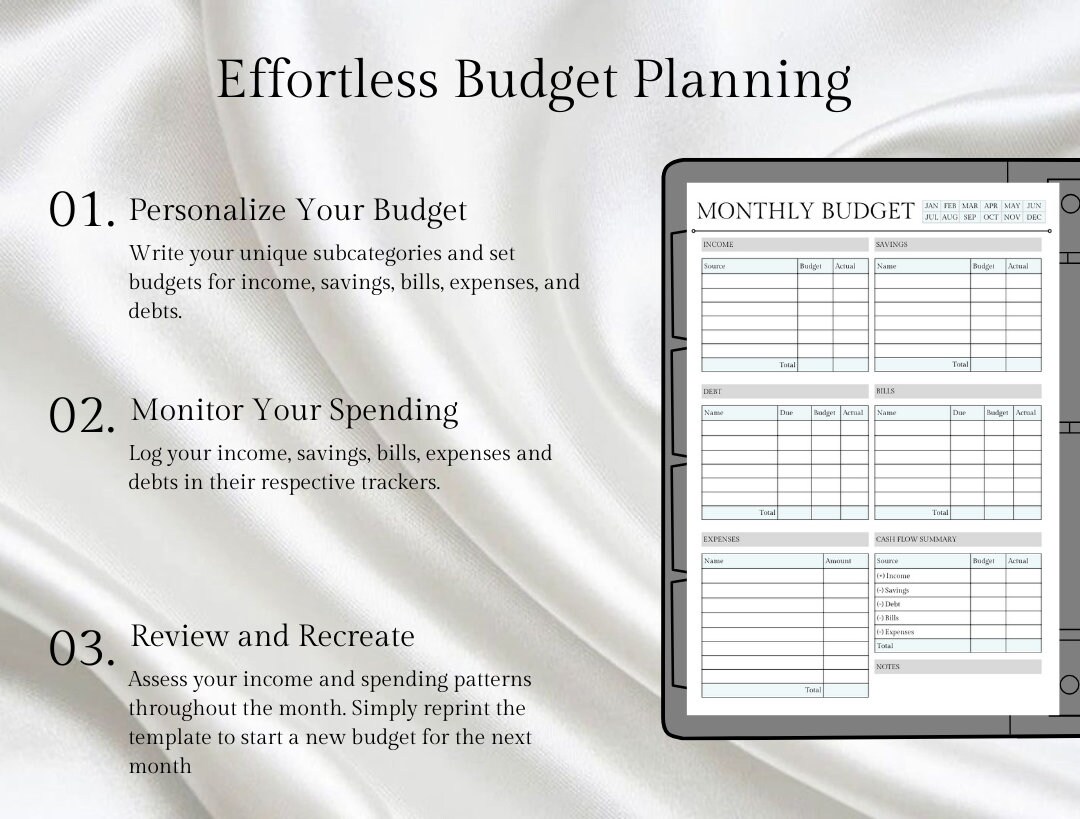
To get a clear picture of your necessary expenses, track your spending for a month. Write down every single transaction, no matter how small. This exercise will help you identify areas where you can cut back and optimize your spending.
Prioritizing Debt Repayment
If you have high-interest debt, such as credit card balances, focus on paying those off as soon as possible. Consider consolidating debt into a lower-interest loan or balance transfer credit card.
Here's a comparison of two debt repayment strategies:
Debt Snowball Method
Pay off debts with the smallest balances first
Gain momentum and confidence as you eliminate smaller debts
Debt Avalanche Method
Pay off debts with the highest interest rates first
Save more money in interest over time
Choose the strategy that works best for you and stick to it.
Building Savings and Emergency Funds
Having a cushion of savings can provide peace of mind and financial stability. Aim to save 3-6 months' worth of living expenses in an easily accessible savings account.
Consider setting up automatic transfers from your checking account to your savings or investment accounts. This way, you'll ensure that you save a fixed amount regularly, without having to think about it.
Managing Discretionary Spending
Discretionary spending includes non-essential expenses like dining out, entertainment, and hobbies. While it's essential to have some discretionary spending, be mindful of overspending.
Try implementing a "30-day rule" for non-essential purchases: wait 30 days before buying something that's not essential. This can help you determine if the purchase is something you truly need or just a impulsive want.
Common Budgeting Mistakes to Avoid
When budgeting your monthly income, steer clear of these common mistakes:
Not tracking spending accurately
Not prioritizing debt repayment
Not building an emergency fund
Overspending on discretionary items
Not adjusting your budget as income or expenses change
Real-Life Example: Adjusting Your Budget
Meet Sarah, a 30-year-old marketing specialist with a monthly income of $5,000. She initially allocated 60% of her income towards necessary expenses, 20% towards discretionary spending, and 20% towards saving and debt repayment.
However, after tracking her spending, Sarah realized she was overspending on dining out and subscription services. She adjusted her budget to:
55% towards necessary expenses
15% towards discretionary spending
30% towards saving and debt repayment
By making these adjustments, Sarah was able to build an emergency fund, pay off high-interest debt, and increase her savings.
FAQs
Q: How much should I save each month?
Aim to save at least 20% of your income, but adjust based on your individual financial goals and expenses.
Q: What's the best way to track my spending?
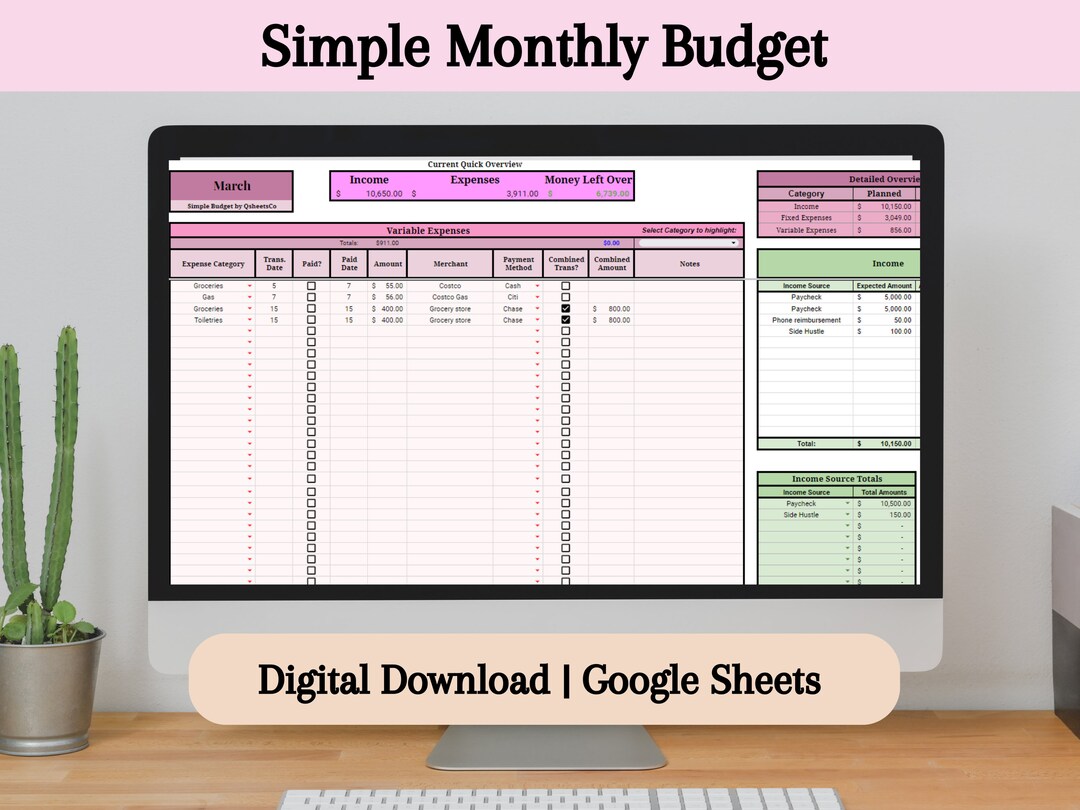
Use a budgeting app, spreadsheet, or simply write down every transaction in a notebook to get a clear picture of your spending habits.
Q: How do I prioritize my debt repayment?
Focus on paying off high-interest debt first, and consider consolidating debt into a lower-interest loan or balance transfer credit card.
Q: Can I still have fun while budgeting?
Absolutely! Allocate some discretionary spending towards activities and hobbies you enjoy, and find free or low-cost alternatives to expensive entertainment.
Conclusion
Budgeting your monthly income effectively requires a practical approach, not a one-size-fits-all solution. By following the 50/30/20 rule, identifying necessary expenses, prioritizing debt repayment, building savings, and managing discretionary spending, you'll be well on your way to achieving financial stability. Stay flexible, adjust your budget as needed, and make conscious financial decisions to achieve your long-term goals.
Related: how to manage time effectively simple
Related: nickname ideas aesthetic one word
