

Understanding Your Financial Needs
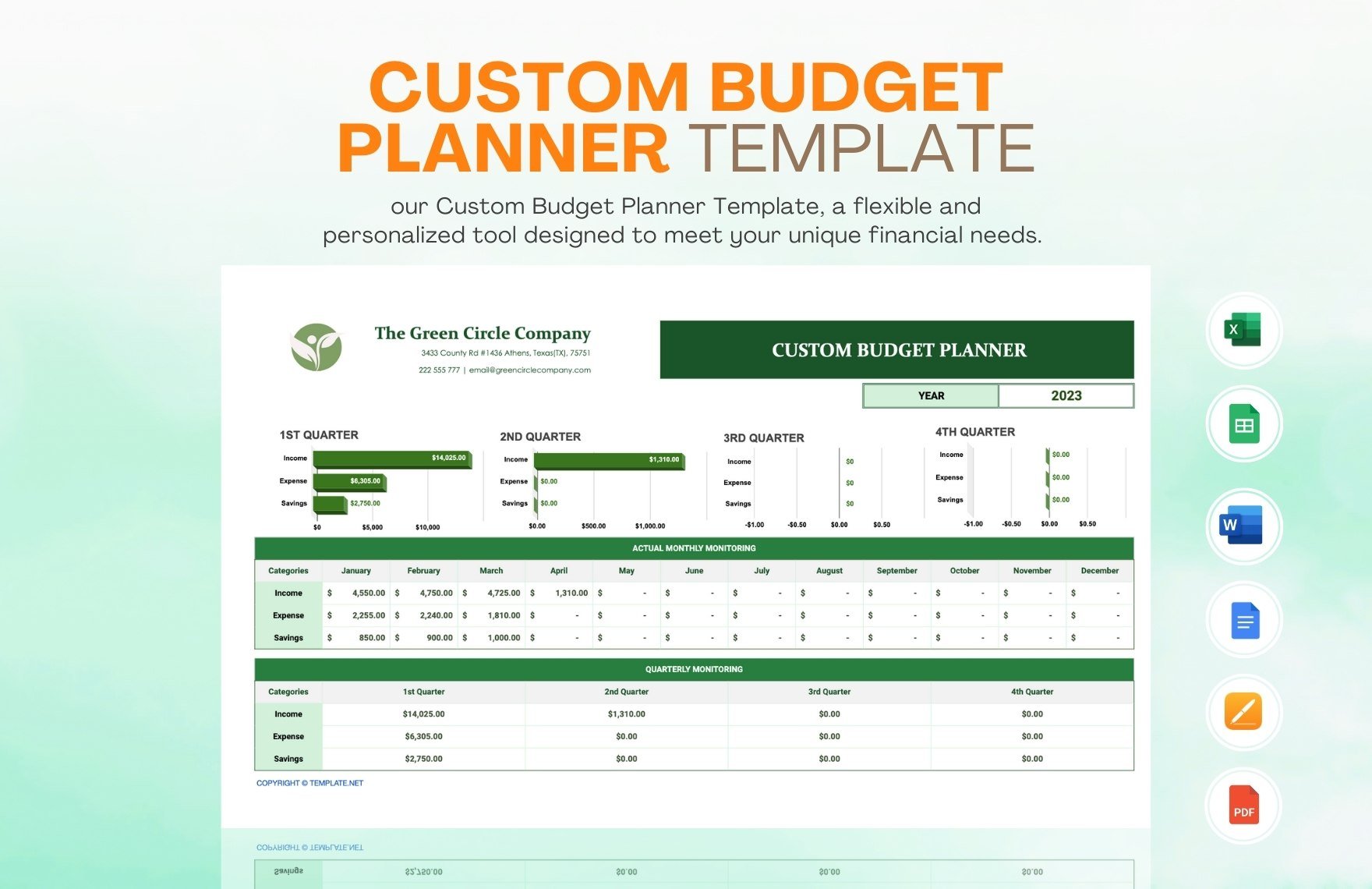
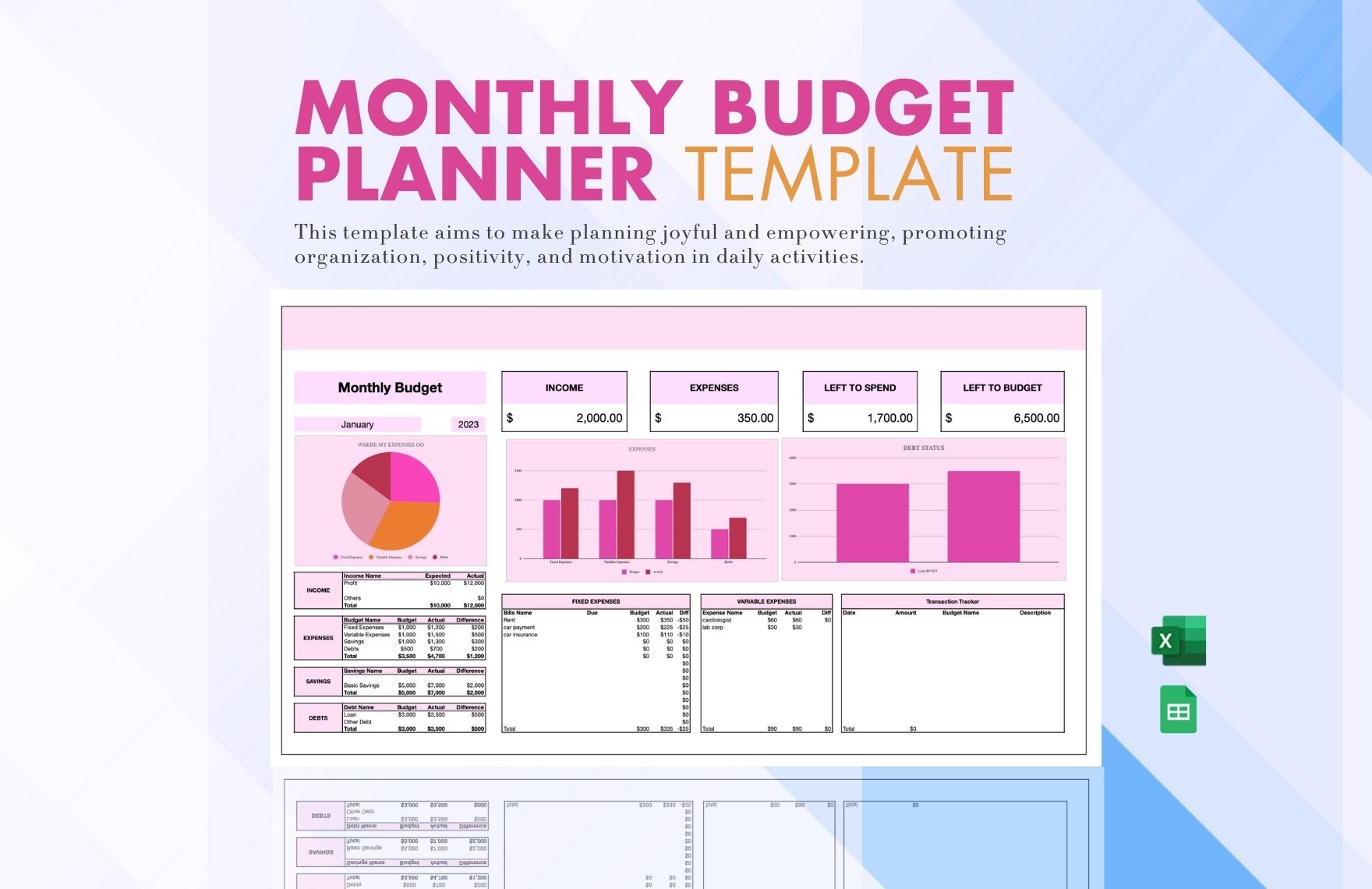
When it comes to managing your finances in the UK, having a solid budget in place is crucial. A budget planner template can be a valuable tool to help you track your income and expenses, make smart financial decisions, and achieve your long-term goals. With numerous options available, selecting the right budget planner template can be overwhelming, especially for those new to budgeting. In this article, we'll explore the key considerations for choosing a budget planner template in the UK, common pitfalls to avoid, and provide practical tips for creating a realistic budget that works for you.
Types of Budget Planner Templates
There are various types of budget planner templates available, each with its unique features and benefits. Some popular options include:
50/30/20 Budget Template: Allocate 50% of your income towards necessary expenses, 30% towards discretionary spending, and 20% towards saving and debt repayment.
Zero-Based Budget Template: Assign every pound a job, ensuring that your income minus expenses equals zero.
Envelope System Budget Template: Divide your expenses into categories (e.g., groceries, transportation), and place the corresponding budgeted amount into labelled envelopes.
Key Features to Look for in a Budget Planner Template
When selecting a budget planner template, consider the following essential features:
Easy to use: A user-friendly interface is vital to ensure you stick to your budget.
Customizable: A template that allows you to tailor it to your specific financial needs and goals.
Comprehensive: A template that accounts for all aspects of your financial life, including income, expenses, savings, and debt.
Flexibility: A template that can adapt to changes in your financial situation.
Comparison of Popular Budget Planner Templates in the UK
| Template | Features | Ease of Use | Customization |
|---|---|---|---|
| Microsoft Excel Budget Template | Comprehensive, customizable | Medium | High |
| Google Sheets Budget Template | Collaborative, automatic calculations | Easy | Medium |
| YNAB (You Need a Budget) Template | Zero-based budgeting, automated tracking | Medium | Low |
| Money Dashboard Budget Template | Simple, visual interface | Easy | Medium |
Common Mistakes to Avoid When Using a Budget Planner Template
When using a budget planner template, be aware of the following common pitfalls:
Overestimating income: Ensure you accurately account for your income to avoid overspending.
Underestimating expenses: Consider all necessary expenses, including irregular costs like car maintenance.
Not reviewing and adjusting: Regularly review your budget and make adjustments as needed to stay on track.
Practical Tips for Creating a Realistic Budget
To create a realistic budget that works for you:
Track your expenses: Monitor your spending habits to identify areas for improvement.
Set achievable goals: Prioritize needs over wants, and allocate funds accordingly.
Prioritize needs over wants: Be honest about what you need versus what you want.
"A budget is not just about cutting expenses; it's about making conscious financial decisions that align with your values and goals." - Dave Ramsey
Building Trust with Your Budget Planner Template
To get the most out of your budget planner template:
Be honest with yourself: Accurately track your income and expenses.
Regularly review and adjust: Stay on top of your finances and make adjustments as needed.
Use it consistently: Make budgeting a habit to achieve long-term financial success.
FAQs
Q: What is the best budget planner template for beginners in the UK?
For beginners, consider starting with a simple, user-friendly template like the 50/30/20 Budget Template or the Google Sheets Budget Template.
Q: Can I use a budget planner template for my small business in the UK?
While budget planner templates are primarily designed for personal finance, you can adapt them for small business use. However, consider using a template specifically designed for business budgeting.
Q: How often should I review and adjust my budget planner template?
Review your budget regularly, ideally every 1-3 months, to stay on track and make adjustments as needed.
Q: Can I use a budget planner template with my partner or family members?
Yes, many budget planner templates allow for collaborative use. Consider using a template that enables multiple users to track and manage finances together.
