

What is a Small Business Plan and Why Do You Need One?
Starting a small business can be a thrilling experience, but it can also be overwhelming. One of the most critical steps in launching a successful business is creating a solid business plan. A small business plan serves as a roadmap for your company, outlining your goals, target market, financial projections, and strategies for growth. Without a clear plan, you risk getting lost in the daily operations of your business, neglecting long-term objectives, and ultimately, failing to achieve your vision.
A well-crafted small business plan helps you clarify your ideas, identify potential pitfalls, and make informed decisions. It also enables you to communicate your vision effectively to stakeholders, including investors, employees, and partners. In essence, a small business plan is a blueprint for success, helping you stay focused, adapt to changes, and drive growth.
Setting Clear Business Goals
Before diving into the nitty-gritty of your business plan, it's essential to define your goals. What do you want to achieve with your business? Are you looking to generate a certain level of revenue, create jobs, or introduce a new product to the market? Establishing clear, measurable objectives will help you create a focused plan that aligns with your vision.
Consider using the SMART goal framework to set your objectives:
Specific: Clearly define what you want to achieve.
Measurable: Quantify your goals to track progress.
Achievable: Ensure your objectives are realistic and attainable.
Relevant: Align your goals with your business's mission and values.
Time-bound: Set deadlines for achieving your objectives.
Understanding Your Target Market
A deep understanding of your target market is crucial to creating a successful business plan. Who are your ideal customers? What are their needs, preferences, and pain points? Analyzing your target market helps you develop effective marketing strategies, create products or services that meet their needs, and differentiate your business from competitors.
Consider the following factors when analyzing your target market:
Demographics: Age, location, income level, occupation, and education.
Psychographics: Values, interests, lifestyle, and behavior.
Needs and pain points: What problems do your customers face, and how can you solve them?
Crafting a Business Strategy
With your goals and target market in mind, it's time to develop a business strategy. This section of your plan outlines how you'll achieve your objectives, including:
Marketing strategy: How you'll reach and engage with your target market.
Product or service offering: What you'll offer, and how it meets the needs of your customers.
Competitive analysis: An assessment of your competitors, including their strengths, weaknesses, and market position.
Financial Projections and Planning
Financial projections are a critical component of your business plan, providing a roadmap for your company's financial growth. This section should include:
Revenue projections: Estimated income from sales, services, or other sources.
Expense projections: Forecasted costs, including salaries, rent, marketing, and equipment.
Break-even analysis: The point at which your business becomes profitable.
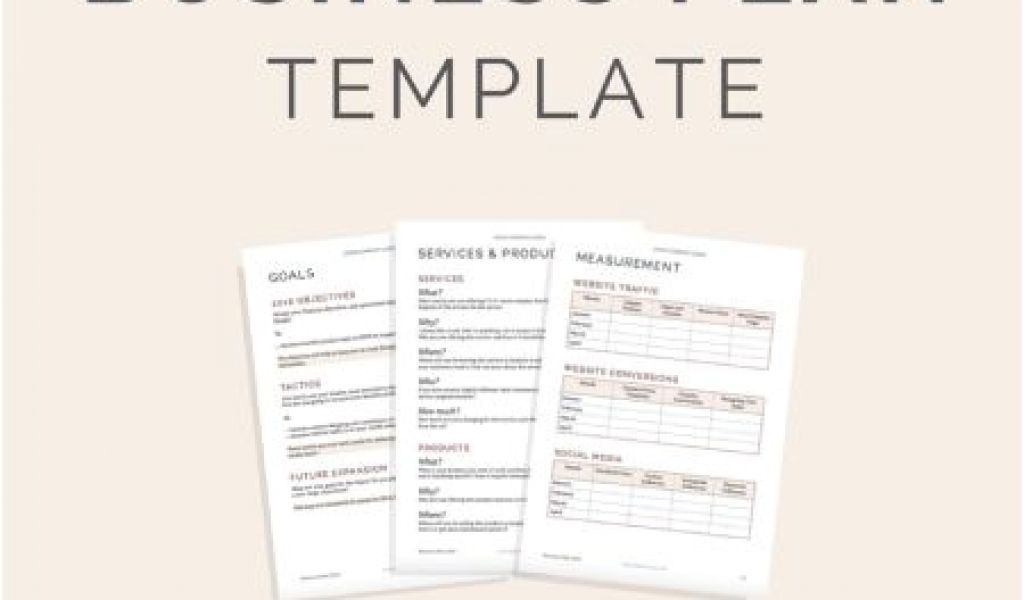
Template for a Small Business Plan
While every business is unique, a standard template can help you organize your thoughts and ensure your plan covers all the essential elements. Here's a basic outline to get you started:
| <strong>Section</strong> | <strong>Description</strong> |
|---|---|
| Executive Summary | Overview of your business, including goals and mission. |
| Company Description | Detailed description of your business, including products/services and target market. |
| Market Analysis | Analysis of your target market, including demographics, needs, and competitors. |
| Marketing and Sales | Strategies for reaching and engaging with your target market. |
| Financial Projections | Revenue, expense, and profit projections. |
| Management and Organization | Description of your business's organizational structure and management team. |
Common Mistakes to Avoid
When creating a small business plan, it's easy to get caught up in the excitement of launching your business. However, neglecting certain aspects of your plan can lead to costly mistakes down the road. Here are a few common pitfalls to avoid:
Lack of market research: Failing to understand your target market can lead to ineffective marketing strategies and a lack of sales.
Unrealistic financial projections: Overestimating revenue or underestimating expenses can lead to financial difficulties.
Insufficient planning: Failing to develop a comprehensive plan can lead to confusion, inefficiency, and a lack of direction.
Case Study: A Successful Small Business Plan in Action
Let's take a look at a real-world example of a small business plan in action. Jane's Bakery, a small business in a rural town, aimed to provide high-quality baked goods to the local community. Jane's business plan included:
Clear goals: Increase revenue by 20% within the first year.
Market analysis: Identified a gap in the market for artisanal bread and pastries.
Marketing strategy: Partnered with local cafes and restaurants to offer wholesale pricing.
By following her business plan, Jane's Bakery achieved its goals, increasing revenue and establishing a loyal customer base.
Frequently Asked Questions
Q: What is the most important part of a small business plan?
While every section of your plan is crucial, your executive summary and financial projections are often the most critical. These sections provide an overview of your business and a roadmap for financial growth.
Q: How often should I update my small business plan?
Your business plan should be a living document, updated regularly to reflect changes in your business, market, or goals.
Q: Can I create a business plan without a lot of business experience?
While experience can be helpful, it's not a requirement for creating a business plan. Consider seeking guidance from a business advisor or using online resources to help you develop a comprehensive plan.
Q: What if my business plan doesn't work out as expected?
Even with a solid plan, things don't always go as expected. Don't be afraid to adapt and adjust your plan as needed.
Putting it All Together
Creating a small business plan requires effort, dedication, and a willingness to adapt. By following the steps outlined in this guide, you can develop a comprehensive plan that helps you achieve your goals and drive growth. Remember to stay focused, stay flexible, and continually evaluate and adjust your plan to ensure success.
In the end, a well-crafted small business plan is a powerful tool that can help you navigate the challenges of entrepreneurship and build a thriving business. With the right mindset, strategy, and support, you can turn your vision into a reality and achieve long-term success.
Related: Create Stunning Logos Without Breaking the Bank: Best Free
Related: 5 Useful Things to Know About Free Resume Templates
Related: 5 Useful Things to Know About Choosing the Best Resume
