
Missing a deadline can be stressful, especially when it impacts not just you, but your team, clients, or stakeholders. The way you communicate about the missed deadline can significantly affect how others perceive the situation and your professionalism.
Understanding the Impact of Missing Deadlines
When you miss a deadline, it's not just about the immediate work that needs to be done; it's about the ripple effect it can have on the entire project timeline, resources, and even team morale. Understanding this impact is crucial for communicating effectively.
Before You Explain: Assess the Situation
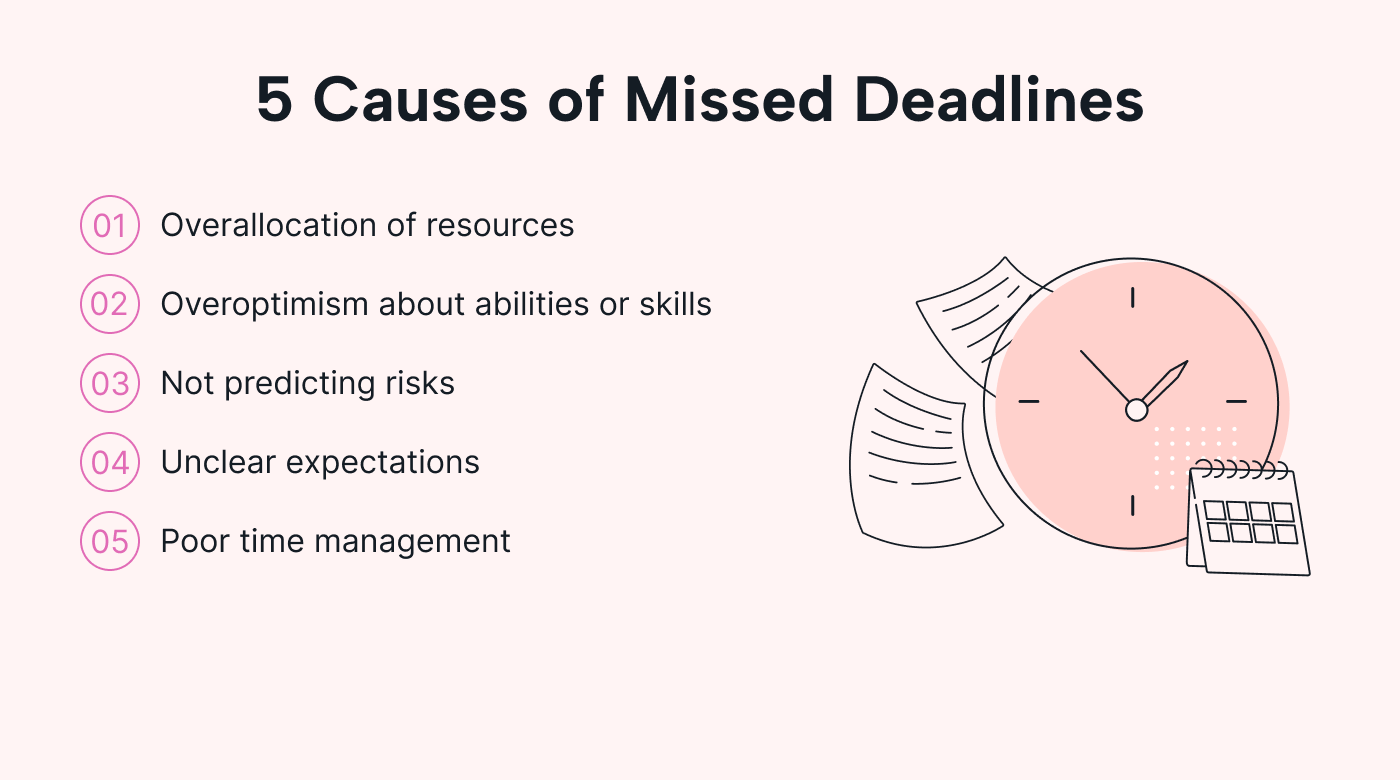
Before you start explaining, take a moment to assess the situation. Understand the reasons behind missing the deadline. Was it due to underestimation of the task, unforeseen complications, or perhaps poor time management? Being clear about the reasons will help you communicate more effectively.
Communicating the Missed Deadline
When you need to communicate about a missed deadline, it's essential to be prompt, transparent, and solution-focused. Here's how you can structure your communication:
- Be Prompt: The sooner you communicate the missed deadline, the better. This shows that you are on top of the situation and willing to address it head-on.
- Acknowledge and Apologize: Start by acknowledging the missed deadline and offering a sincere apology. This doesn't mean you're admitting fault prematurely but shows you're committed to making it right.
- Explain, But Don't Excuse: Provide a clear explanation for missing the deadline. Focus on the facts and avoid making excuses. This helps maintain trust and shows you're taking responsibility.
- Offer a Solution: Come up with a realistic plan to get back on track. This could involve a revised deadline, additional resources, or a different approach. Make sure the solution is specific and actionable.
- Learn and Prevent: Finally, discuss what you'll do to prevent similar situations in the future. This could involve new processes, better planning, or additional training.

Practical Example: Email or Meeting?
When communicating a missed deadline, the medium is as important as the message. An email can be a good initial step, providing a paper trail and giving the recipient time to process the information. However, for more critical or complex situations, a meeting might be more appropriate. It allows for a two-way conversation, immediate feedback, and a chance to discuss the plan in detail.
Insight: The Psychology of Missing Deadlines
Research in psychology suggests that when individuals miss deadlines, it's often due to a combination of factors including overconfidence, poor planning, and underestimation of task complexity. Understanding these psychological pitfalls can help you better plan and communicate about deadlines.
FAQs on Communicating Missed Deadlines

Q: Should I always apologize for missing a deadline?
Yes, apologizing shows you respect the other party's time and expectations. However, make sure your apology is sincere and followed by a plan to rectify the situation.
Q: How soon should I communicate a missed deadline?
As soon as possible. Prompt communication can mitigate negative impacts and show that you're proactive about solving the problem.
Q: What if I'm not sure why I missed the deadline?
If you're unsure, say so. You can express your commitment to investigating the cause and implementing measures to prevent recurrence.
Q: Can missing a deadline damage my professional relationships?
Yes, repeatedly missing deadlines can harm your professional reputation. However, honest communication and a plan to improve can help mitigate this risk.
Closing
Communicating about a missed deadline is an opportunity to show your professionalism, responsibility, and commitment to improvement. By being prompt, transparent, and solution-focused, you can minimize the negative impacts and even strengthen your professional relationships. Remember, it's not just about explaining why you missed a deadline but about what you're doing to ensure it doesn't happen again.
