
Understanding the Meal Prep Appeal
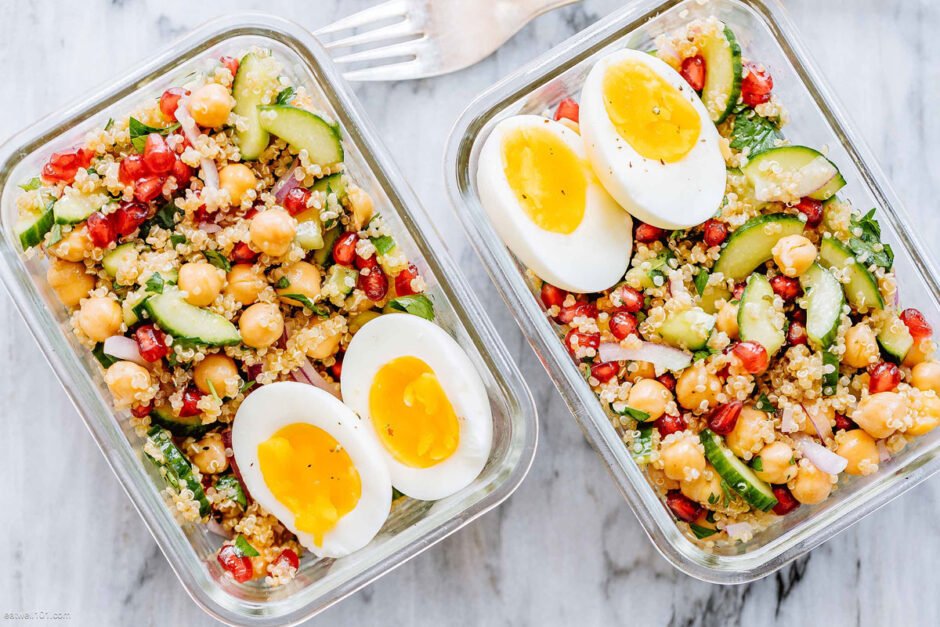
For those new to the concept, meal prep might seem like a daunting task, mainly because it's often associated with perfectly portioned, Instagram-worthy containers and a week's worth of food neatly stacked in the fridge. However, the reality is much simpler. Meal prep is essentially about planning and preparing your meals in advance to save time, reduce stress, and promote healthier eating. It's a strategy that can be tailored to fit any lifestyle, dietary preference, and skill level in the kitchen.
The Benefits of Meal Prep for Beginners
The advantages of meal prep are numerous, especially for those just starting out. It helps in developing a routine, ensures you're eating a balanced diet, and significantly cuts down on food waste. Moreover, meal prep can be a great way to save money by buying ingredients in bulk and avoiding last-minute takeout or dining out. For beginners, the key is to start small and not to put too much pressure on achieving perfection from the get-go.
Simple Meal Prep Ideas to Get You Started
- Breakfast Prep: Overnight oats are a great place to start. Mix together rolled oats, milk, and your choice of toppings (like fruits, nuts, or seeds) in a jar. Refrigerate overnight and enjoy in the morning. This simple recipe requires minimal ingredients and can be customized to suit your taste.
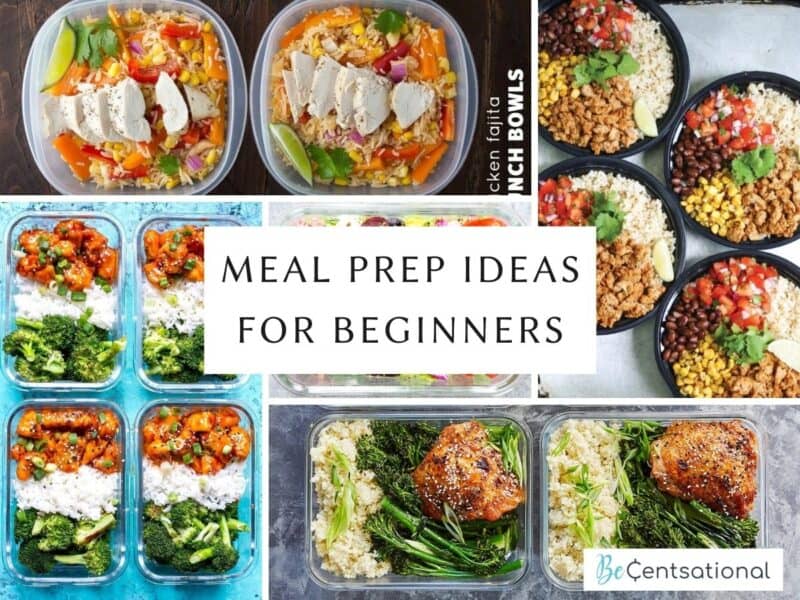
- Lunch and Dinner Prep: Grilled chicken or salmon with a variety of vegetables (such as broccoli, carrots, and bell peppers) can be a versatile base for multiple meals. Cook a large batch and use it throughout the week in different dishes, like salads, wraps, or with rice and noodles.
- Snack Prep: Preparing a batch of energy balls made from oats, peanut butter, and honey can provide a quick and healthy snack option. These are easy to make and don't require any cooking.
Choosing the Right Meal Prep Containers
When it comes to meal prep, the containers you choose can make a big difference. Here are some considerations:
- Material: Glass containers are popular because they are durable, don't stain, and can be used in the microwave and oven. However, they can be heavy and more expensive.
- Size and Versatility: Look for containers that come in various sizes to accommodate different types of meals and snacks. Some sets offer containers that can be easily nested for compact storage.
- Leak-Proof: For meals that are liquid-heavy or if you plan to transport your meals, look for containers with a secure, leak-proof lid.
Meal Prep Frequency: How Often Should You Prep?
The frequency of meal prep can vary greatly depending on your schedule and preferences. Some people prefer to prep all their meals for the week in one day (often on the weekend), while others might find it more manageable to prep a few meals every couple of days. The key is to find a rhythm that works for you and your lifestyle.
Practical Tips for Successful Meal Prep
- Plan Your Meals: Before you start prepping, have a clear idea of what you want to eat throughout the week. This can help in making a grocery list and avoiding food waste.
- Shop Smart: Make a grocery list based on your meal plan and stick to it. Buying in bulk and choosing seasonal produce can save you money.
- Prep in Stages: If you're new to meal prep, try breaking it down into stages. Start by chopping vegetables, then move on to cooking proteins, and finally assemble your meals.
Comparing Meal Prep Strategies
| Strategy | Pros | Cons |
|---|---|---|
| <strong>Batch Cooking</strong> | Saves time, efficient use of ingredients | Can get repetitive, requires large storage space |
| <strong>Component Cooking</strong> | Offers variety, easy to customize | More planning required, can be time-consuming |
| <strong>One-Pot Meals</strong> | Quick, less cleanup | Limited options, can be heavy on ingredients |
Common Meal Prep Mistakes to Avoid
- Overcomplicating Recipes: Don't try to make complicated meals if you're short on time or new to cooking. Simple recipes can be just as nutritious and delicious.
- Not Labeling Containers: Make sure to label your containers with the date and contents. This helps in keeping track of what you have and ensuring older meals are eaten before they spoil.
Building Trust with Meal Prep
One of the biggest hurdles for beginners is trust – trust that meal prep will save them time, trust that they'll enjoy the meals, and trust that it's worth the effort. The truth is, like any new habit, it takes some time to adjust. Start with simple recipes and gradually experiment with new ingredients and techniques.
Frequently Asked Questions
Q: How long do meal prep meals last?
The shelf life of meal prep meals varies depending on the ingredients used and how they're stored. Generally, meals can last 3 to 5 days in the fridge. For longer storage, consider freezing.
Q: Can I meal prep if I have dietary restrictions?
Absolutely. Meal prep can be adapted to fit any dietary need, whether it's vegan, gluten-free, keto, or any other. The key is to plan ahead and find recipes that fit your requirements.
Q: Do I need a lot of kitchen equipment to start meal prep?
Not necessarily. Basic kitchen tools like a knife, cutting board, pots, and pans are enough to get started. As you become more comfortable with meal prep, you can explore additional equipment.
Q: Is meal prep expensive?
Meal prep can actually help save money by reducing food waste, allowing you to buy in bulk, and avoiding last-minute dining out. Planning your meals and making a grocery list can help keep costs down.
Wrapping Up
Meal prep for beginners doesn't have to be overwhelming. By starting small, choosing simple recipes, and finding a system that works for you, meal prep can become a sustainable and enjoyable part of your routine. It's about making healthy eating easier and less stressful, not about achieving perfection. With a little practice and patience, you'll find that meal prep is not just a task, but a tool that can significantly improve your relationship with food.
Related: Time Management Tips Therapist Aid
