

Understanding the Basics of Meal Prep for Low-Calorie Diets
Meal prep, short for meal preparation, is the process of planning, shopping, cooking, and portioning out meals in advance. For those on low-calorie diets, meal prep can be a lifesaver, helping to ensure that healthy, portion-controlled meals are always available, even on the busiest of days. The goal of meal prep for low-calorie diets is not only to save time but also to make healthy eating easier and more sustainable.
Benefits of Meal Prep for Low-Calorie Diets
The benefits of meal prep for low-calorie diets are numerous. By preparing meals in advance, individuals can:
Save time during the week when schedules are busy
Control portion sizes and calorie intake
Ensure that healthy, nutrient-dense foods are consumed
Reduce food waste and save money
Develop healthy eating habits
Meal Prep Ideas for Low-Calorie Diets
When it comes to meal prep for low-calorie diets, the possibilities are endless. Here are some ideas to get started:
Salad Jars: Prepare a week's worth of salad jars by layering greens, vegetables, lean proteins, and healthy fats in a jar. Add a simple vinaigrette, and refrigerate or freeze for up to 5 days.
Grilled Chicken and Vegetables: Grill chicken breast and prepare a variety of roasted vegetables, such as broccoli, sweet potatoes, and Brussels sprouts. Portion out into individual containers for easy lunches or dinners.
Overnight Oats: Mix together rolled oats, milk, and your choice of nuts, seeds, or fruit in a jar or container. Refrigerate overnight and enjoy in the morning.
Quick Comparison: Meal Prep Containers
| Container Type | Pros | Cons |
|---|---|---|
| Glass Containers | Durable, non-toxic, and easy to clean | Can be heavy and expensive |
| Plastic Containers | Lightweight, affordable, and dishwasher safe | May not be as durable or non-toxic |
| Mason Jars | Versatile, easy to clean, and affordable | May not be suitable for hot foods |
Meal Planning for Low-Calorie Diets
Effective meal planning is crucial for successful meal prep. Here are some tips to keep in mind:
Set Your Goals: Determine your daily calorie needs and macronutrient ratios to ensure that your meal plan is tailored to your needs.
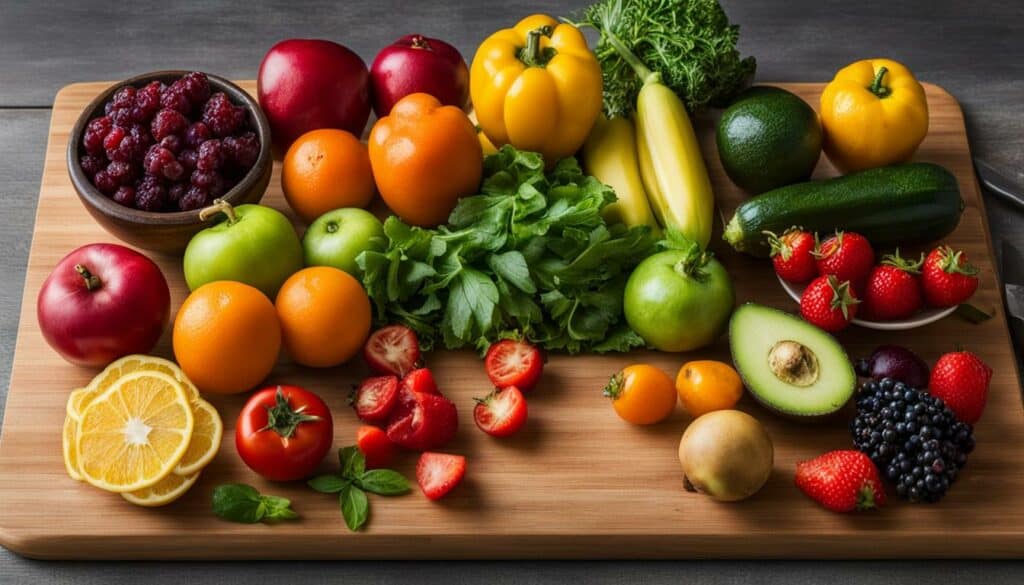
Choose Nutrient-Dense Foods: Focus on whole, unprocessed foods, such as fruits, vegetables, lean proteins, and whole grains.
Consider Your Schedule: Plan meals around your busy days and schedule, ensuring that you have healthy meals available when you need them.
Shopping for Meal Prep
Shopping for meal prep requires a strategic approach. Here are some tips to keep in mind:
Make a List: Plan out your meals and make a list of the ingredients you need to buy.
Shop the Perimeter: Focus on whole foods, such as produce, meats, and dairy, which are typically found on the perimeter of the grocery store.
Buy in Bulk: Purchase non-perishable items, such as grains, nuts, and seeds, in bulk to save money and reduce waste.
Cooking for Meal Prep
Cooking for meal prep requires some basic techniques and equipment. Here are some tips to keep in mind:
Invest in a Slow Cooker: A slow cooker can be a valuable investment for meal prep, allowing you to cook a variety of meals, such as stews, soups, and chili, while you're busy.
Learn Basic Cooking Techniques: Familiarize yourself with basic cooking techniques, such as roasting, grilling, and sautéing, to prepare a variety of meals.
Common Meal Prep Mistakes to Avoid
While meal prep can be a powerful tool for achieving weight loss goals, there are some common mistakes to avoid:
Not Planning Ahead: Failing to plan meals and make a grocery list can lead to unhealthy impulse purchases and food waste.
Not Considering Nutrition: Failing to consider nutritional needs and calorie intake can lead to unbalanced meals and slowed weight loss.
FAQs
Q: How do I get started with meal prep for low-calorie diets?
Start by planning out your meals, making a grocery list, and shopping for ingredients. Invest in some basic containers and equipment, such as a slow cooker, and begin cooking and portioning out meals.
Q: What are some healthy low-calorie meal ideas?
Healthy low-calorie meal ideas include grilled chicken and vegetables, salad jars, overnight oats, and lean protein bowls.
Q: How do I ensure that my meal prep meals are low-calorie?
To ensure that your meal prep meals are low-calorie, focus on whole, unprocessed foods, control portion sizes, and consider your daily calorie needs and macronutrient ratios.
Q: Can I customize meal prep to fit my dietary needs?
Yes, meal prep can be customized to fit a variety of dietary needs, including vegan, gluten-free, and low-carb diets.
Final Tips and Takeaways
Mastering meal prep ideas for low-calorie diets requires some planning, effort, and creativity. By understanding the basics of meal prep, benefits, and common mistakes to avoid, individuals can set themselves up for success and achieve their weight loss goals. Remember to stay flexible, adjust your meal plan as needed, and prioritize nutrient-dense foods to ensure that your meal prep meals are both healthy and delicious. With a little practice and patience, meal prep can become a sustainable and enjoyable part of your healthy lifestyle.
Related: A Practical Guide to Cheap Dental Pet Care Tips
Related: Cheap Healthy Meal Prep Ideas: What Actually Makes Sense?
