
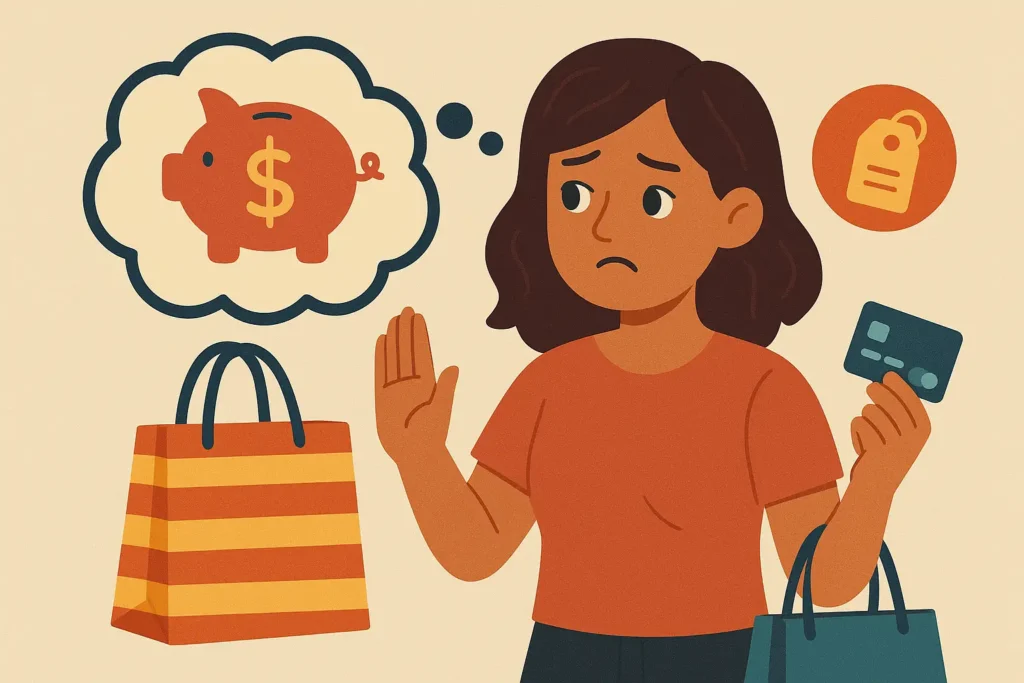
The Impulse Purchase: A Costly Reflex
We've all been there: standing in line at the grocery store, suddenly tempted by a candy bar or a magazine on the rack. Or perhaps browsing online, only to click "buy now" on an item we didn't even know we needed. Impulse buying is a common phenomenon, but one that can have significant consequences on our finances and well-being. In this article, we'll explore what drives impulse buying, the costs associated with it, and most importantly, strategies to help you break the habit.
Understanding Impulse Buying
Impulse buying accounts for a substantial portion of consumer spending. Research suggests that anywhere from 40% to 80% of purchases are made on impulse. But what triggers these spur-of-the-moment buys? Often, it's a combination of psychological, environmental, and marketing factors.
- Emotional Triggers: Stress, boredom, and excitement can all lead to impulse purchases. When we're feeling down or seeking a thrill, buying something can provide a temporary high.
- Marketing Tactics: Sellers use various strategies to encourage impulse buying, including limited-time offers, product placements near checkout counters, and personalized advertising based on our browsing history.
- Social Influence: Seeing friends or influencers buy certain products can create a desire to fit in or feel like we're missing out.
The Cost of Impulse Buying
The immediate financial impact of impulse buying might seem minimal, but over time, these purchases can add up significantly. Consider this: if you spend just $10 more per week on impulse buys, that's $520 per year. For many people, that's a substantial expense that could be better spent on savings, debt repayment, or meaningful experiences.
Beyond the financial costs, impulse buying can also affect our mental health and well-being. The buyer's remorse that often follows can lead to feelings of guilt and regret. Furthermore, living in a cluttered environment filled with items we didn't really need can contribute to stress and dissatisfaction.
Strategies to Stop Impulse Buying
Breaking the impulse buying habit requires a combination of understanding why we make these purchases, setting clear financial goals, and implementing practical strategies to curb the behavior.
Know Your Triggers
The first step to overcoming impulse buying is recognizing your triggers. Are you more likely to make impulse purchases when you're stressed, bored, or around certain people? Once you're aware of your triggers, you can develop strategies to avoid or manage them.
Implement the 30-Day Rule
When you see something you want to buy, wait 30 days before making the purchase. This can help you determine if the item is something you truly need or if the desire was just an impulsive want.

Create a Budget and Track Your Spending
Having a clear budget and tracking your spending can help you stay focused on your financial priorities. Consider using the envelope system for your discretionary spending to limit how much you have available for impulse buys.
Practice Mindful Spending
Mindful spending involves being fully present and aware of your buying decisions. Ask yourself if the purchase aligns with your values and financial goals. Consider the long-term impact of the purchase rather than the short-term gratification.
Tools and Techniques for Mindful Spending
Several tools and techniques can help you practice mindful spending and reduce impulse buying:
- Budgeting Apps: Apps like Mint, You Need a Budget (YNAB), and Spendee can help you track your spending and stay within your budget.
- Cashback and Rewards Programs: Using cashback and rewards programs can provide a sense of reward for purchases you've carefully considered.
- Shopping Lists: Writing down what you need before you go shopping can help you stay focused and avoid impulse buys.
The Tradeoffs of Conscious Consumption
Conscious consumption involves weighing the benefits of a purchase against its costs, not just financially but also environmentally and socially. This approach requires considering the broader impacts of our buying decisions.
The Paradox of Choice
While having options is generally considered a good thing, too many choices can lead to decision fatigue and increased likelihood of impulse purchases. Limiting your options can sometimes make decision-making easier and reduce the temptation to buy on impulse.
Minimalism as a Solution
Minimalism, or living with fewer material possessions, can offer a solution to impulse buying. By valuing experiences and relationships over material goods, individuals can find more lasting satisfaction and reduce their desire for impulse purchases.
Frequently Asked Questions
Q: How can I stop buying things on impulse?
Start by understanding your triggers, implementing a waiting period before purchases, and practicing mindful spending. Tools like budgeting apps and shopping lists can also help.
Q: What is the psychology behind impulse buying?
Impulse buying is often driven by emotional triggers, marketing tactics, and social influences. Understanding these factors can help you develop strategies to avoid them.
Q: Can impulse buying be a sign of a deeper issue?
Yes, frequent impulse buying can be a sign of underlying issues such as stress, boredom, or compulsive buying disorder. If you're concerned, consider seeking advice from a financial advisor or a mental health professional.
Q: How does impulse buying affect my financial health?
Impulse buying can lead to unnecessary expenses, debt, and diverted savings. Over time, these effects can significantly impact your financial stability and goals.
A Path Forward
Breaking the habit of impulse buying requires patience, self-awareness, and a commitment to changing your spending behaviors. By understanding the triggers and consequences of impulse purchases, and by implementing practical strategies to manage them, you can make more conscious, aligned decisions about how you spend your money. The journey towards mindful spending is not about depriving yourself of pleasure but about ensuring that your purchases reflect your true values and contribute positively to your life.
Related: how to improve concentration quickly
Related: simple business ideas for beginners
Related: A Practical Guide to Free Budget Templates for Entrepreneurs
