
As any dog owner knows, caring for a furry friend is a significant responsibility. With so many conflicting opinions and advice out there, it can be overwhelming to navigate the world of pet care. But with a little guidance, you can provide your dog with the best possible life. In this article, we'll explore the essential pet care tips for dogs, covering everything from nutrition and exercise to grooming and health checks.
Nutrition: The Foundation of Good Health
When it comes to caring for your dog, nutrition is a top priority. A well-balanced diet provides your dog with the energy and nutrients they need to thrive. But with so many dog food options available, it can be difficult to know what's best.
The first step is to choose a high-quality dog food that meets your dog's nutritional needs. Look for a food that's rich in protein, moderate in fat, and low in carbohydrates. You should also consider your dog's life stage, size, and breed when selecting a food.
For example, puppies require a diet rich in protein and calories to support growth and development, while older dogs may benefit from a senior formula that's easier to digest. Large breed dogs, on the other hand, may require a food that's specifically formulated to support joint health.
Key Nutritional Considerations
Protein: Look for a food with a named protein source, such as chicken or salmon
Fat: A moderate amount of fat is essential for energy and skin health
Carbohydrates: Choose a food with complex carbohydrates, such as sweet potatoes or brown rice
Life stage: Select a food that's formulated for your dog's life stage (puppy, adult, or senior)
Exercise: Keeping Your Dog Happy and Healthy
Exercise is just as important as nutrition when it comes to caring for your dog. Regular physical activity helps to maintain a healthy weight, improve cardiovascular health, and reduce stress and anxiety.
The type and amount of exercise your dog needs will depend on their age, size, breed, and individual energy level. For example, high-energy breeds like Border Collies and Australian Shepherds require a lot of exercise to stay happy and healthy, while older dogs may need more gentle, low-impact activities.
Exercise Ideas
Daily walks: Aim for at least 30 minutes of walking per day
Playtime: Engage in play activities, such as fetch or tug-of-war, to provide mental stimulation and exercise
Training sessions: Incorporate training sessions into your daily routine to provide mental stimulation and exercise
Grooming: More Than Just a Pretty Coat
Grooming is an essential part of dog care, and it's about more than just keeping your dog looking their best. Regular grooming helps to:
Reduce shedding and prevent hairballs
Prevent skin irritations and infections
Improve dental health
Detect any potential health issues early on
The frequency and type of grooming your dog needs will depend on their coat type, age, and individual needs. For example, dogs with long, thick coats may require daily brushing to prevent matting and tangling, while dogs with short, smooth coats may only need occasional brushing.
Grooming Essentials
Brushing: Use a brush or comb that's suitable for your dog's coat type
Bathing: Bathe your dog as needed, using a mild dog shampoo
Nail care: Trim your dog's nails regularly to prevent overgrowth
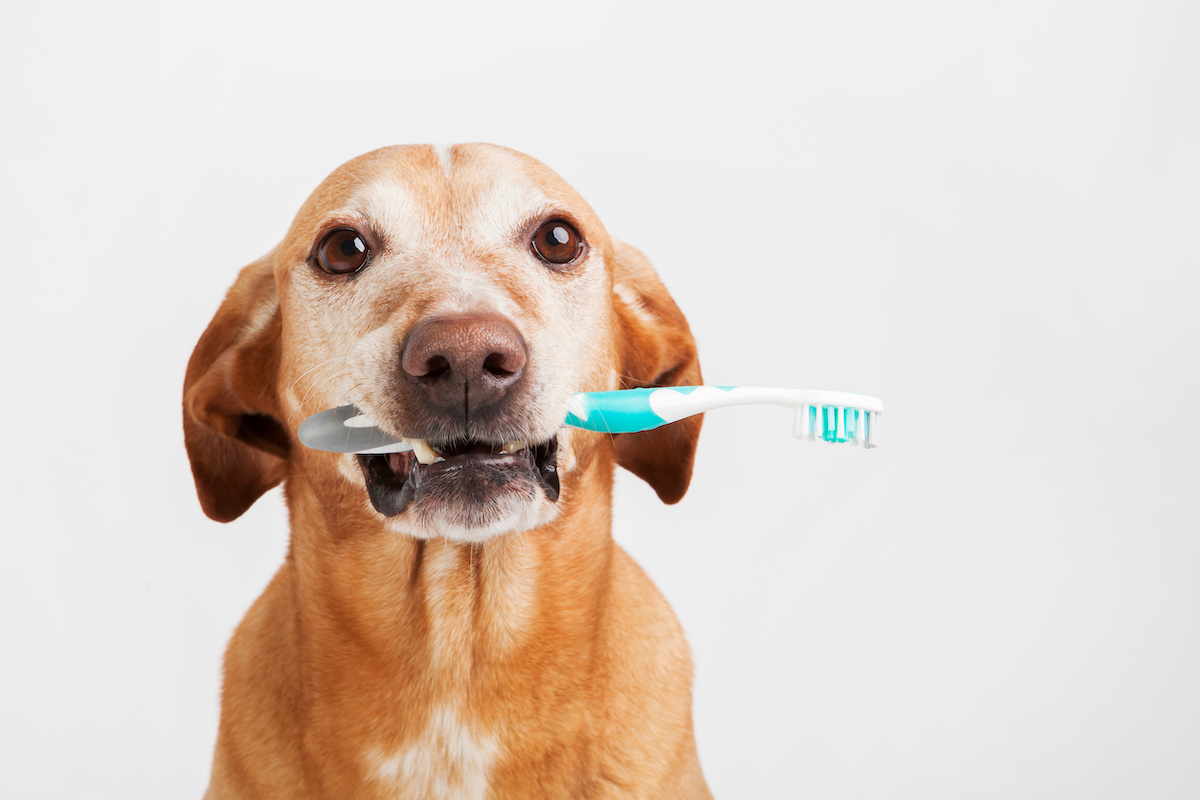
Dental care: Brush your dog's teeth regularly to improve dental health

Health Checks: Staying on Top of Your Dog's Health
Regular health checks are crucial for detecting any potential health issues early on. Your veterinarian can help you stay on top of your dog's health by:
Monitoring their weight and body condition
Checking for signs of illness or disease
Providing preventative care, such as vaccinations and parasite control
Offering advice on nutrition, exercise, and lifestyle
The frequency of health checks will depend on your dog's age, health status, and individual needs. For example, puppies may require more frequent health checks to monitor their growth and development, while older dogs may need more frequent checks to monitor their health.
Common Health Issues: What to Watch Out For
As a dog owner, it's essential to be aware of common health issues that can affect your furry friend. Some of the most common health issues in dogs include:
Hip dysplasia: A genetic condition that affects the hip joint
Ear infections: A common issue that can cause discomfort and pain
Dental problems: A range of issues, from tartar buildup to gum disease
- Obesity: A growing problem that can lead to a range of health issues
By being aware of these common health issues, you can take steps to prevent them or detect them early on.
Conclusion
Caring for a dog is a significant responsibility, but with the right guidance, you can provide your furry friend with the best possible life. By focusing on nutrition, exercise, grooming, and health checks, you can help your dog thrive. Remember to stay informed, stay vigilant, and always consult with your veterinarian if you have any concerns.
Frequently Asked Questions
Q: How often should I bathe my dog?
The frequency of bathing depends on your dog's coat type, age, and individual needs. As a general rule, dogs with short, smooth coats may only need occasional bathing, while dogs with long, thick coats may require more frequent bathing.
Q: What are the most common health issues in dogs?
Common health issues in dogs include hip dysplasia, ear infections, dental problems, and obesity. By being aware of these issues, you can take steps to prevent them or detect them early on.
Q: How much exercise does my dog need?
The type and amount of exercise your dog needs will depend on their age, size, breed, and individual energy level. As a general rule, dogs require at least 30 minutes of exercise per day, including daily walks, playtime, and training sessions.
Q: What is the best way to train my dog?
The best way to train your dog is to use positive reinforcement techniques, such as treats, praise, and affection. Be sure to be consistent, patient, and clear in your training, and avoid punishment or negative reinforcement.
Related: A Practical Guide to Tracking Expenses Easily and Simply
