
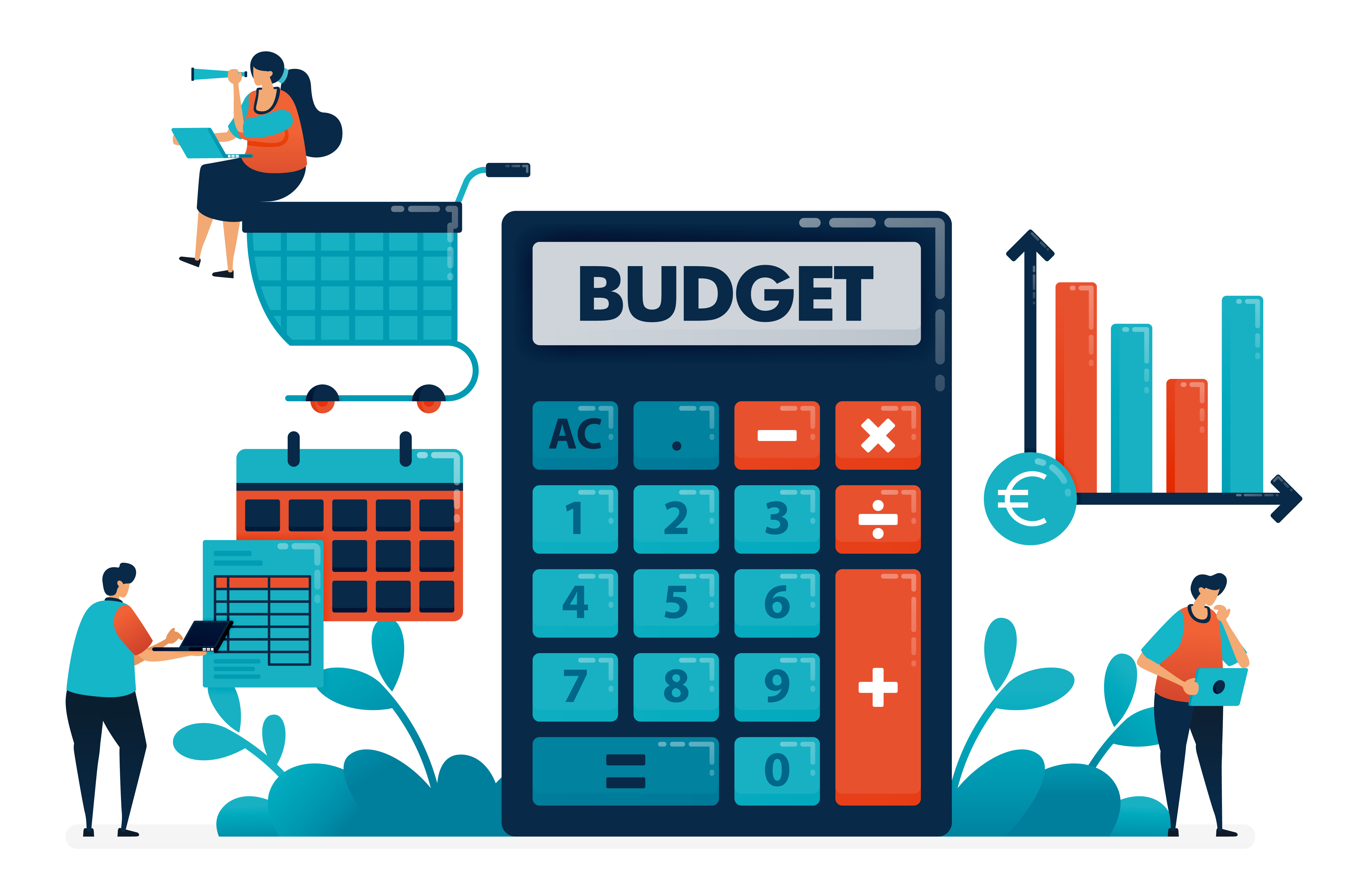
As the cost of living in the UK continues to rise, managing your finances effectively has never been more crucial. Budget planning is the foundation of financial stability, yet many individuals struggle to create a realistic and achievable plan. With the right strategies and tools, you can take control of your finances, achieve your goals, and secure a brighter financial future.
Understanding Your Financial Landscape
Before you can start planning your budget, you need to understand your current financial situation. This involves tracking your income, expenses, debts, and savings. It's essential to have a clear picture of where your money is going and what you're working with. Start by gathering all your financial documents, including pay stubs, bank statements, and bills. Then, categorize your expenses into needs (housing, food, utilities), wants (entertainment, hobbies), and debt repayments.
Setting Financial Goals
Setting clear financial goals is vital to creating a effective budget plan. What do you want to achieve? Are you saving for a down payment on a house, paying off debt, or building an emergency fund? Your goals will guide your budgeting decisions and help you prioritize your spending. Make sure your goals are specific, measurable, achievable, relevant, and time-bound (SMART). For example, "I want to save £10,000 for a deposit on a house within the next 24 months."
Budgeting Methods for the UK
There are several budgeting methods to choose from, and the right one for you will depend on your financial goals and personal preferences. Here are a few popular options:
50/30/20 Rule: Allocate 50% of your income towards needs, 30% towards wants, and 20% towards savings and debt repayment.
Envelope System: Divide your expenses into categories and place the corresponding budgeted amount into an envelope for each category.
Zero-Based Budgeting: Start with a "zero balance" and allocate every pound towards a specific expense or savings goal.
Practical Budgeting Tips for UK Residents
Here are some practical budgeting tips to help you manage your finances effectively:
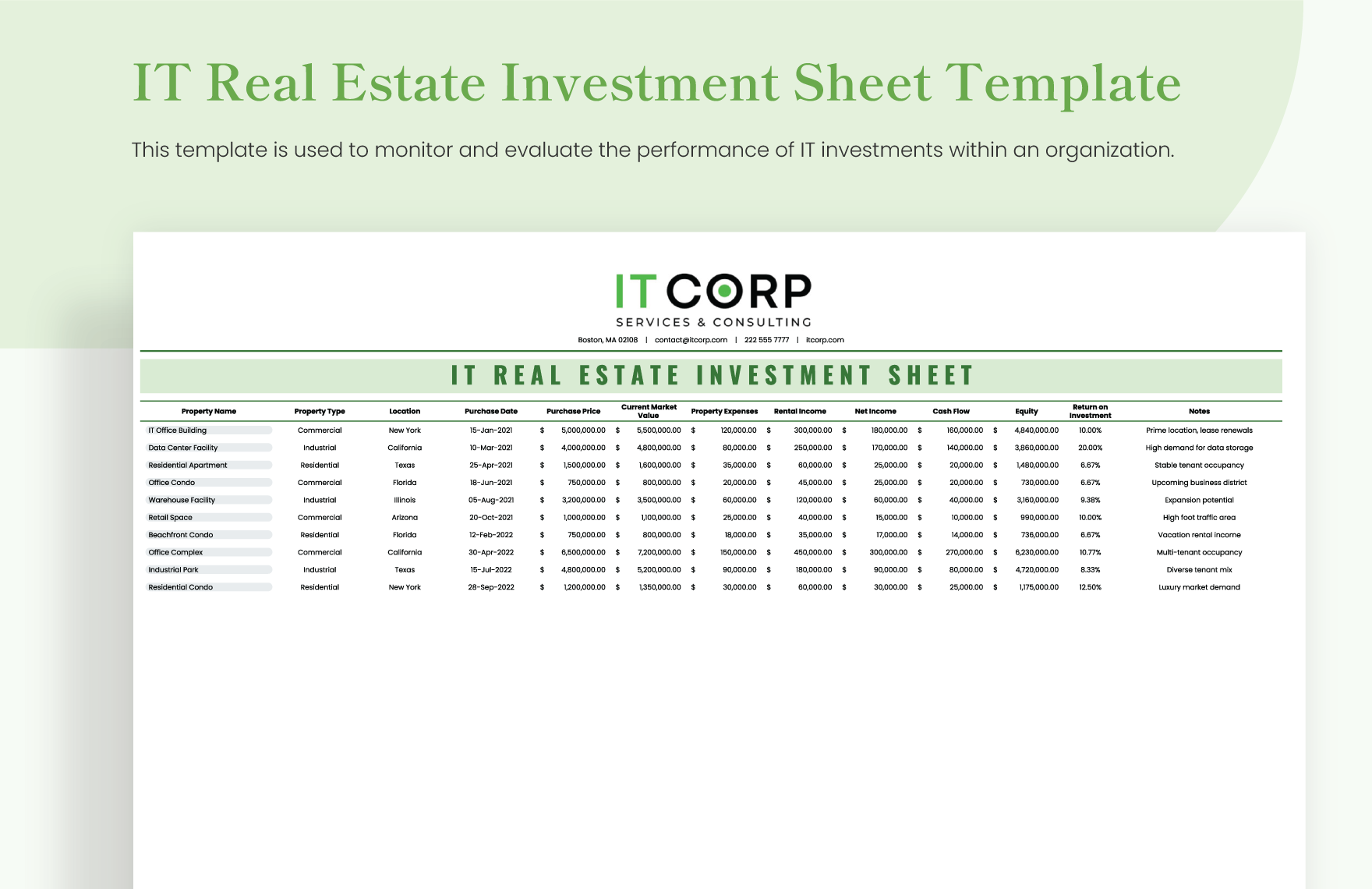
Track your expenses: Use a budgeting app or spreadsheet to monitor your spending and stay on top of your finances.
Prioritize needs over wants: Be honest with yourself about what you need versus what you want.
Automate your savings: Set up automatic transfers to your savings or investment accounts.
Avoid impulse purchases: Take time to think before making non-essential purchases.
Comparing Budgeting Tools and Apps
With so many budgeting tools and apps available, it can be overwhelming to choose the right one. Here's a comparison table to help you make an informed decision:
| Tool/App | Features | Cost |
|---|---|---|
| Money Dashboard | Budgeting, expense tracking, investment tracking | £1.99/month |
| YNAB (You Need a Budget) | Budgeting, expense tracking, savings goals | £7/month |
| GnuCash | Budgeting, expense tracking, investment tracking | Free |
| Lloyds Bank Budgeting Tool | Budgeting, expense tracking, savings goals | Free (for Lloyds Bank customers) |
Insight: The Importance of Emergency Funding
"Having an emergency fund in place can be a lifesaver. It can help you avoid going into debt when unexpected expenses arise, and it can give you peace of mind knowing that you're prepared for the unexpected." - Sarah, Financial Advisor
Building an Emergency Fund
An emergency fund is a crucial component of any budget plan. It provides a safety net for unexpected expenses, such as car repairs or medical bills. Aim to save 3-6 months' worth of living expenses in an easily accessible savings account. Consider setting up a separate savings account specifically for your emergency fund.
Managing Debt and Credit
Debt can be a significant burden on your finances, but there are ways to manage it effectively. Here are some tips:
Prioritize high-interest debt: Focus on paying off high-interest debt, such as credit card balances, as soon as possible.
Consolidate debt: Consider consolidating debt into a lower-interest loan or credit card.
Pay more than the minimum: Paying more than the minimum payment on your debt can help you pay off the principal balance faster.
Frequently Asked Questions
Q: How do I create a budget plan that works for me?
Start by tracking your income and expenses, setting financial goals, and choosing a budgeting method that works for you.
Q: What is the 50/30/20 rule, and how does it work?
The 50/30/20 rule involves allocating 50% of your income towards needs, 30% towards wants, and 20% towards savings and debt repayment.
Q: How much should I save for an emergency fund?
Aim to save 3-6 months' worth of living expenses in an easily accessible savings account.
Q: How can I avoid overspending and stay on track with my budget?
Use a budgeting app or spreadsheet to monitor your spending, prioritize needs over wants, and automate your savings.
Final Check: Taking Control of Your Finances
Mastering budget planning is a journey, and it requires patience, discipline, and the right strategies. By understanding your financial landscape, setting clear goals, and using practical budgeting tips, you can take control of your finances and achieve a secure financial future. Remember to review and adjust your budget plan regularly to ensure you're on track to meet your goals. With time and effort, you can develop healthy financial habits that will serve you well for years to come.
Related: 5 Useful Things to Know About Free Budget Planner Templates
