
Before You Walk In: Preparation is Key
You've landed an interview for your dream job. The excitement is palpable, but so is the nervousness. One of the most critical components of acing an interview is answering questions confidently and effectively. It's not just about having the right qualifications; it's about showcasing them in a way that resonates with the interviewer. In this article, we'll share actionable tips and strategies to help you prepare and answer interview questions like a pro.
Understand the Job Description Inside Out
The job description is more than just a list of responsibilities; it's a blueprint for what the interviewer will be looking for in a candidate. Study it carefully and make a list of the key qualifications and skills required for the role. Think about how your experience, education, and skills align with these requirements. Be prepared to give specific examples of how you've demonstrated these skills in the past.
Common Interview Questions and How to Answer Them
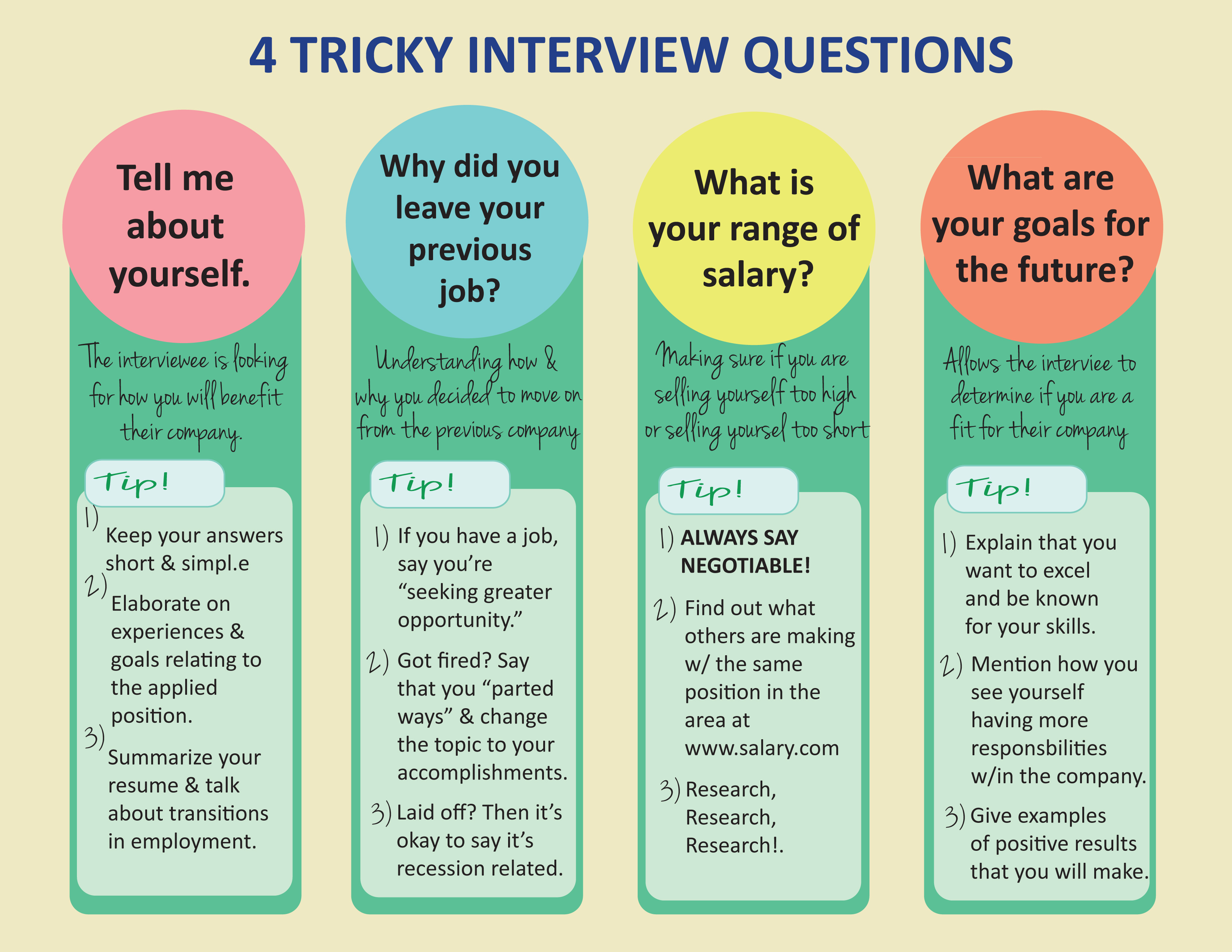
While it's impossible to predict every question you'll be asked, there are some common interview questions that crop up time and again. These include:
Can you tell me about yourself?
What are your strengths and weaknesses?
Why do you want to work for this company?
Where do you see yourself in five years?
The key to answering these questions effectively is to be specific and concise. Use the STAR method to structure your responses:
Situation: Set the context for the story
Task: Explain the task or challenge you faced
Action: Describe the actions you took to address the challenge
Result: Share the outcome and what you learned from the experience
The Art of Storytelling in Interviews
Storytelling is a powerful way to make your answers more engaging and memorable. Instead of simply listing off your skills and qualifications, use specific anecdotes to illustrate your points. This will help you stand out from other candidates and make a more lasting impression on the interviewer.
For example, if you're asked about a time when you overcame a difficult challenge, don't just say "I worked hard and got it done." Instead, tell a story like this:
"I was working on a project with a tight deadline, and one of the team members was unexpectedly out of the office. I had to coordinate with the rest of the team to adjust the project schedule and ensure that we met the deadline. I worked closely with the team to delegate tasks and communicate with stakeholders. We were able to deliver the project on time, and it ended up being a huge success."
How to Handle Tough Questions
Not every interview question will be easy to answer. Some may be designed to test your problem-solving skills or push you outside of your comfort zone. When faced with a tough question, take a moment to collect your thoughts before responding. It's okay to say "Can I take a moment to think about that?" or "Can you clarify the question?"
Body Language and Nonverbal Communication
Your body language and nonverbal communication can say just as much as your words. Make sure to:
Maintain eye contact with the interviewer
Sit up straight and avoid fidgeting
Use confident and open gestures
Smile and show enthusiasm for the company and role
After the Interview: Follow-up and Next Steps
The interview doesn't end when you walk out the door. Make sure to send a thank-you note or email to the interviewer, reiterating your interest in the role and thanking them for their time. This is a great opportunity to reiterate your qualifications and leave a lasting impression.
Frequently Asked Questions
Q: What are some common interview mistakes to avoid?
Some common interview mistakes to avoid include not preparing enough, being late, and not following up after the interview.
Q: How can I prepare for a behavioral interview?
To prepare for a behavioral interview, study the job description and be prepared to give specific examples of how you've demonstrated the required skills in the past.
Q: What are some good questions to ask the interviewer?
Some good questions to ask the interviewer include "What are the biggest challenges facing the team right now?" and "Can you tell me more about the company culture?"
Q: How can I negotiate salary and benefits?
To negotiate salary and benefits, do your research on the market rate for the role and be prepared to make a strong case for why you're worth the investment.
Final Tips and Encouragement
Remember, acing an interview is not just about having the right qualifications; it's about showcasing them in a way that resonates with the interviewer. With practice, preparation, and persistence, you can master the art of answering interview questions and land your dream job. Don't be discouraged if you don't get the job right away. Keep working on your skills and building your confidence, and the right opportunity will come along. Good luck!
