

Remote work has become an integral part of modern employment, offering employees the flexibility to work from anywhere and employers the opportunity to tap into a broader talent pool. However, making the most of remote work requires more than just a stable internet connection and a laptop. It demands discipline, effective communication, and a well-thought-out strategy to maintain productivity and well-being.
Setting Up for Success
The foundation of effective remote work lies in creating an environment that fosters productivity and minimizes distractions. This begins with designating a specific workspace within your home or office that is dedicated to work. Ideally, this space should be quiet, well-lit, and equipped with all the necessary tools and equipment to perform your job efficiently. For those working from home, this might mean converting a spare room into a home office or simply setting up a desk in a quiet corner of the living room.
Ergonomics and Comfort
Investing in an ergonomic chair and a comfortable keyboard can significantly impact your physical health and productivity. Sitting for long periods can lead to back pain and other health issues, so it's crucial to invest in a chair that provides adequate support. Similarly, a keyboard and mouse that promote good hand and wrist positioning can prevent strain and injury.
Communication is Key
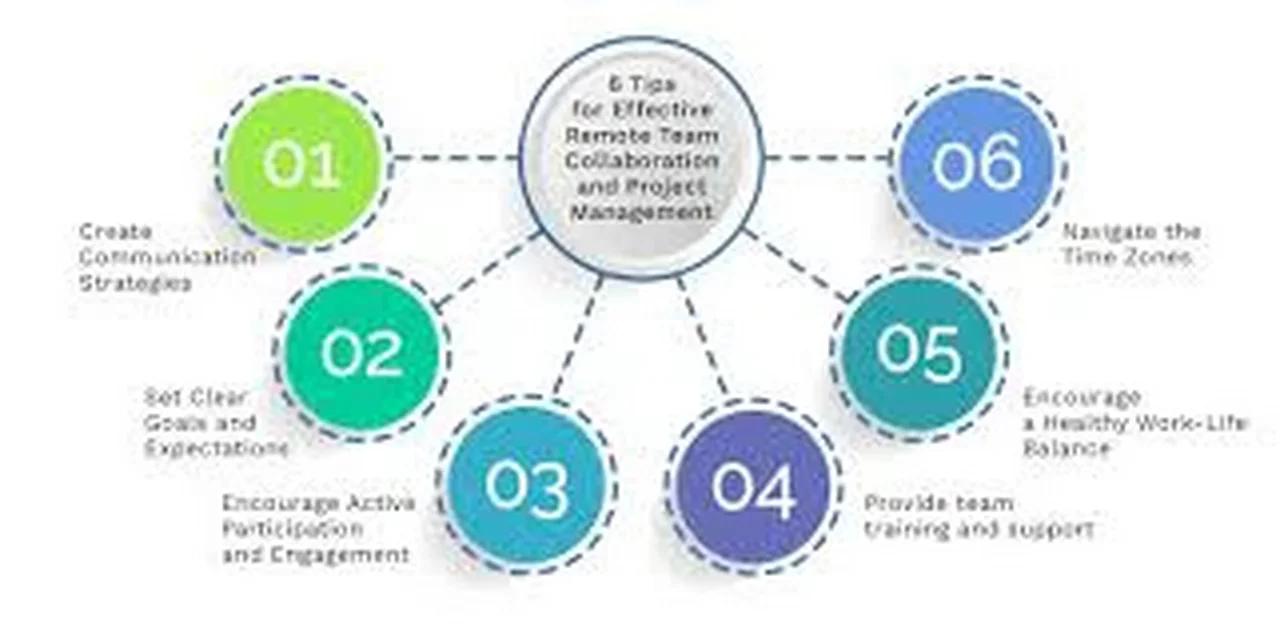
Effective communication is the backbone of any successful remote work arrangement. Without the ability to walk over to a colleague's desk and ask a question, remote workers must be proactive in reaching out and staying connected with their team. This can be achieved through regular video calls, instant messaging apps, and project management tools.
Choosing the Right Tools
The right tools can make a significant difference in how smoothly your remote work experience goes. For communication, platforms like Slack and Microsoft Teams offer a range of features that facilitate instant messaging, video calls, and file sharing. For project management, tools like Trello, Asana, and Basecamp help keep track of tasks, deadlines, and progress.
Managing Your Time
One of the biggest challenges of remote work is managing your time effectively. Without a structured office environment, it's easy to fall into bad habits, such as procrastination or overwork. Creating a schedule and sticking to it can help mitigate these issues. This includes setting regular working hours, taking scheduled breaks, and knowing when to log off.
The Pomodoro Technique
The Pomodoro Technique is a time management method developed by Francesco Cirillo in the late 1980s. The technique uses a timer to break down work into intervals, traditionally 25 minutes in length, separated by short breaks. This can be particularly effective for remote workers, as it helps maintain focus and prevent burnout.
Maintaining Well-being
Remote work can offer a better work-life balance, but it can also blur the lines between work and personal life. Maintaining well-being requires effort and intention, including setting boundaries, staying active, and taking care of mental health.
Setting Boundaries
Setting clear boundaries between work and personal life is crucial. This might mean establishing a "do not disturb" sign on your door, setting specific work hours, or creating a pre-work routine that signals the start of your workday.
Overcoming Isolation
One of the downsides of remote work is the potential for isolation. Without daily interactions with colleagues, remote workers can feel disconnected and miss out on important social cues. Overcoming this requires effort, both from the individual and the organization.
Virtual Social Events
Many companies are now hosting virtual social events to help remote workers feel more connected. These can range from virtual coffee breaks to online team-building activities. Participating in these events can help alleviate feelings of isolation and build a sense of community.
The Future of Remote Work
The shift towards remote work is likely to continue, with more companies adopting flexible work arrangements. This shift presents both opportunities and challenges, from increased flexibility and productivity to potential isolation and communication breakdowns.
Adapting to Change
Adapting to the changing landscape of work requires a proactive approach. For employees, this means developing skills that are in demand in a remote work environment, such as digital literacy and self-motivation. For employers, it means investing in technology and training that supports remote work.
FAQ
Q: What are the most important tools for remote work?
The most important tools for remote work include communication platforms like Slack and Microsoft Teams, project management tools like Trello and Asana, and video conferencing software like Zoom.
Q: How can I stay motivated while working remotely?
Staying motivated while working remotely can be achieved by setting clear goals, creating a dedicated workspace, and establishing a routine that includes regular breaks and physical activity.
Q: What are the benefits of remote work for employers?
The benefits of remote work for employers include access to a broader talent pool, reduced overhead costs, and increased employee satisfaction and retention.
Q: How can I maintain a work-life balance while working remotely?
Maintaining a work-life balance while working remotely requires setting clear boundaries between work and personal life, prioritizing self-care, and making time for activities that bring joy and relaxation.
Final Thoughts
Mastering remote work is a journey that requires effort, adaptability, and a willingness to learn. By setting up for success, communicating effectively, managing time wisely, and prioritizing well-being, remote workers can thrive in a flexible work environment. As the landscape of work continues to evolve, embracing the challenges and opportunities of remote work can lead to a more fulfilling and productive career.
Related: A Practical Guide to Finding the Best Free Online Resume
