
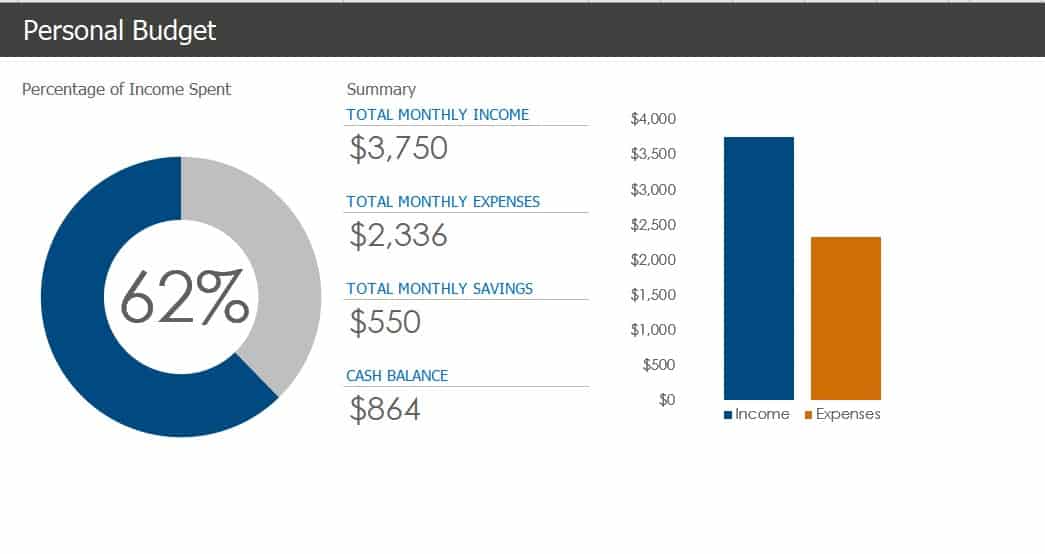
As a beginner, taking control of your finances can seem daunting. With so many budgeting tools and planners available, it's hard to know where to start. But, understanding how to manage your money is crucial for achieving financial stability and security. In this article, we'll explore the best budget planners for beginners, providing you with a comprehensive guide to help you make informed decisions about your financial future.
What is a Budget Planner and Why Do You Need One?
A budget planner is a tool that helps you track your income and expenses, create a budget, and set financial goals. It's an essential resource for anyone looking to take control of their finances. With a budget planner, you can identify areas where you can cut back, allocate funds towards savings and investments, and make progress towards your long-term financial objectives.
Types of Budget Planners
There are several types of budget planners available, each with its unique features and benefits. Some popular options include:
Digital budget planners: Mobile apps and online tools that allow you to track your expenses and create a budget on-the-go.
Physical budget planners: Paper-based planners that provide a hands-on approach to budgeting.
Hybrid budget planners: A combination of digital and physical planners, offering the best of both worlds.
Top Budget Planners for Beginners
Here are some of the best budget planners for beginners:
Mint: A popular digital budget planner that offers a comprehensive overview of your financial situation. With Mint, you can track your expenses, create a budget, and set financial goals.
You Need a Budget (YNAB): A digital budget planner that focuses on helping you manage your finances and achieve your financial goals. YNAB offers a 34-day free trial, after which it's $6.99/month or $83.99/year.
Erin Condren Budget Planner: A physical budget planner that provides a stylish and functional way to manage your finances. The Erin Condren Budget Planner offers a range of templates and layouts to help you stay organized.
Budgeting apps like Personal Capital and Spendee: These digital budget planners offer a range of features, including expense tracking, budgeting, and investment advice.
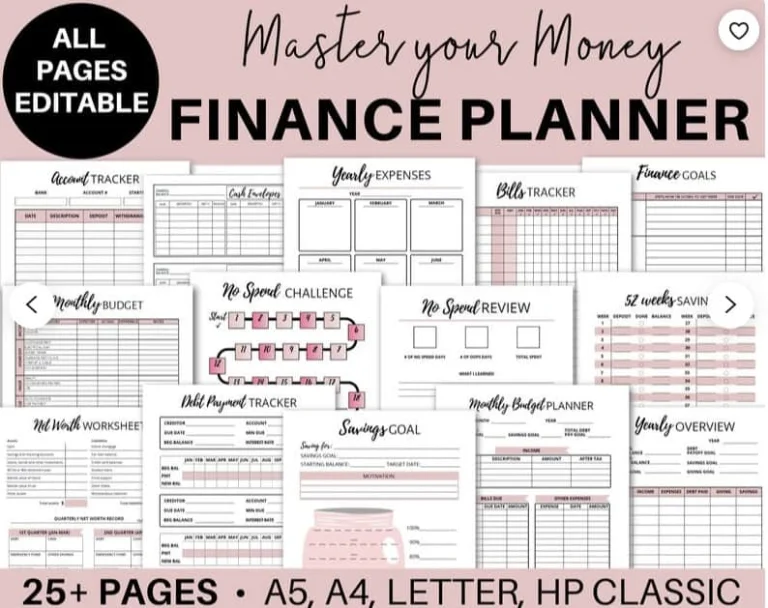
Comparison Table: Top Budget Planners for Beginners
| Budget Planner | Type | Cost | Features |
|---|---|---|---|
| Mint | Digital | Free | Expense tracking, budgeting, financial goal setting |
| YNAB | Digital | $6.99/month or $83.99/year | Expense tracking, budgeting, financial goal setting |
| Erin Condren Budget Planner | Physical | $30-$50 | Templates, layouts, expense tracking |
| Personal Capital | Digital | Free | Expense tracking, budgeting, investment advice |
| Spendee | Digital | Free | Expense tracking, budgeting |
"The key to successful budgeting is to find a system that works for you and stick to it. Don't be afraid to try out different budget planners until you find one that fits your lifestyle and financial goals." - Dave Ramsey
How to Choose the Right Budget Planner for You
With so many budget planners available, it's essential to choose one that meets your needs and preferences. Here are some factors to consider:
Ease of use: Look for a budget planner that's easy to use and navigate.
Features: Consider the features that are important to you, such as expense tracking, budgeting, and financial goal setting.
Cost: Determine your budget for a budget planner and choose one that fits within it.
Compatibility: If you prefer a digital budget planner, ensure it's compatible with your device.
Tips for Using a Budget Planner Effectively
Here are some tips for using a budget planner effectively:
Set realistic financial goals: Start by setting achievable financial goals, such as saving for a emergency fund or paying off debt.
Track your expenses: Accurately track your expenses to understand where your money is going.
Create a budget: Based on your income and expenses, create a budget that works for you.
Review and adjust: Regularly review your budget and adjust as needed.
Common Mistakes to Avoid When Using a Budget Planner
Here are some common mistakes to avoid when using a budget planner:
Not tracking expenses accurately: Failing to track expenses accurately can lead to unrealistic budgeting and financial goals.
Not setting realistic financial goals: Setting unrealistic financial goals can lead to frustration and disappointment.
Not reviewing and adjusting: Failing to review and adjust your budget regularly can lead to financial stagnation.
Building Financial Literacy
Financial literacy is essential for achieving financial stability and security. Here are some tips for building financial literacy:
Read financial books and articles: Stay up-to-date with the latest personal finance news and trends.
Take online courses: Take online courses or attend workshops to improve your financial knowledge.
- Join a financial community: Join online forums or social media groups to connect with others who share your financial goals.
Frequently Asked Questions
Q: What is the best budget planner for beginners?
The best budget planner for beginners depends on your individual needs and preferences. Consider factors such as ease of use, features, and cost when choosing a budget planner.
Q: How do I create a budget for the first time?
To create a budget for the first time, start by tracking your expenses, identifying your income, and setting financial goals. Then, allocate your income towards expenses, savings, and debt repayment.
Q: What are some common budgeting mistakes to avoid?
Common budgeting mistakes to avoid include not tracking expenses accurately, not setting realistic financial goals, and not reviewing and adjusting your budget regularly.
Q: How often should I review my budget?
It's essential to review your budget regularly, ideally every 3-6 months, to ensure you're on track to meet your financial goals.
Conclusion
Related: Best Side Hustle Ideas
Related: 5 Useful Things to Know About Budget Planner Template PDFs
